Monthly Baby Development: 1-Month-Old Baby Development
At one month old, your baby is still adjusting to life outside the womb. Sleep, feeding and steady growth remain the main priorities, but you may also begin noticing small changes in how your baby responds to faces, voices and touch. Early attempts at lifting their head, brief eye contact and reactions to familiar sounds are all part of this developing awareness.
This guide explores 1-month-old baby development, including sleep patterns, weight gain, feeding frequency, physical milestones and everyday care. Every baby develops at their own pace, so individual differences are normal. For a broader overview of the first year, explore our baby development month by month guide.
What to Expect from a 1-Month-Old Baby's Development
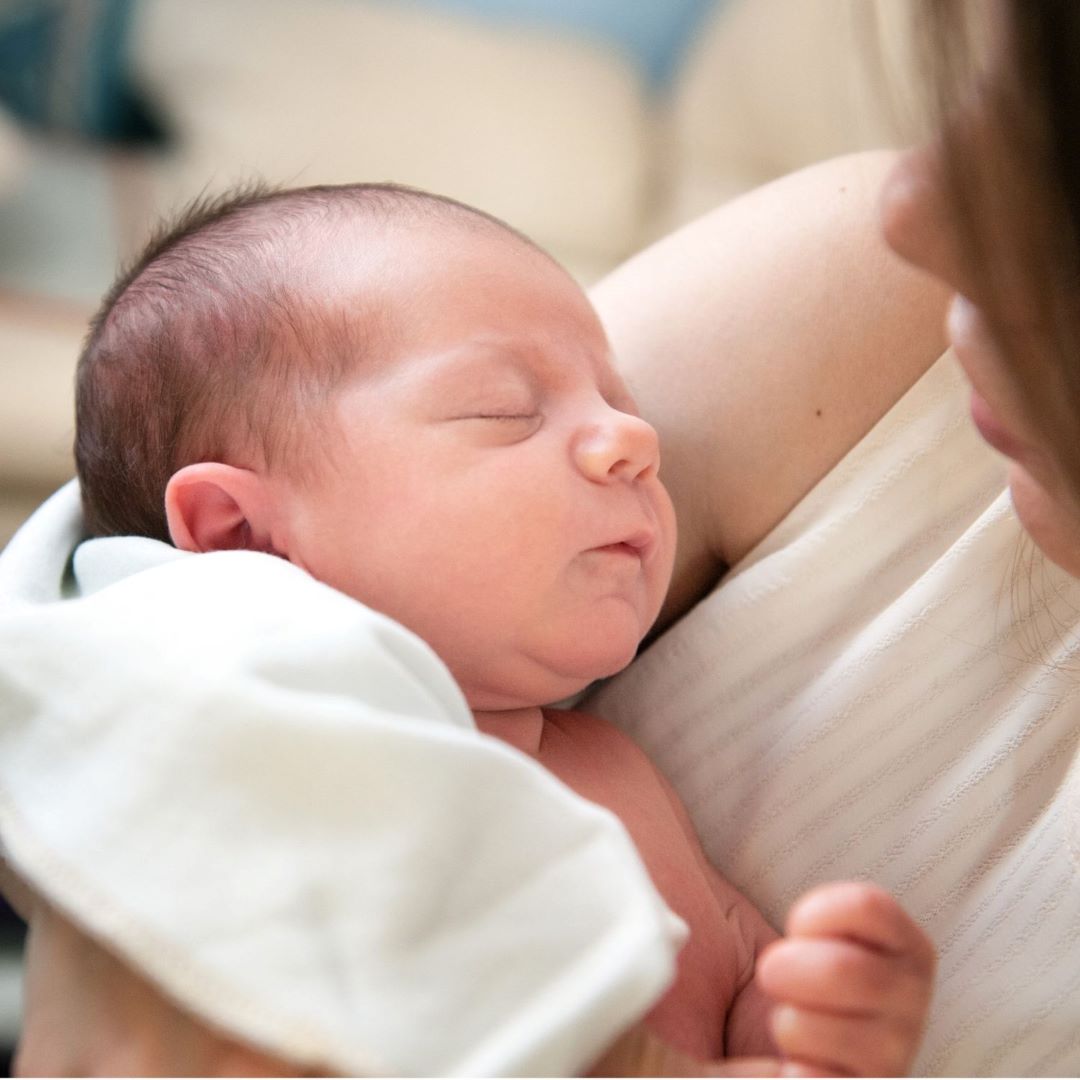
At one month old, babies spend much of their time sleeping and feeding. Their movements are still largely influenced by newborn reflexes, although they may begin focusing briefly on faces, reacting to sounds and attempting to lift their head for a moment during tummy time.
Talking to your baby, making eye contact and responding to their needs can support early communication and emotional security. Developmental milestones should be considered as general guidelines rather than strict deadlines, taking each baby's individual circumstances into account.
1-Month-Old Baby Sleep
How much should a 1-month-old baby sleep? Newborn babies commonly sleep for around 14–17 hours over a 24-hour period. However, sleep needs vary, and long, uninterrupted stretches of night-time sleep are not generally expected at this age. Babies usually wake frequently throughout the day and night to feed.
For safer sleep, always place your baby on their back on a firm, flat mattress, with no pillows, duvets, loose blankets or soft toys in their sleeping space. In the UK, the NHS recommends keeping your baby in the same room as you, but in a separate cot or Moses basket, for the first six months. A more predictable day-and-night sleep pattern will develop gradually.
1-Month-Old Baby Teething
Teething is not usually expected in a 1-month-old baby. The first milk teeth commonly appear at around six months, although the timing varies considerably. Dribbling or putting hands near the mouth at this age does not necessarily mean that teething has begun.
If you notice unusual swelling, redness, white patches inside the mouth or changes that affect feeding, seek advice from your GP or another healthcare professional. Teething toys are generally unnecessary at this stage, and products should not be applied inside a newborn's mouth without appropriate medical guidance.
1-Month-Old Baby Weight
A 1-month-old baby's weight depends on several factors, including birth weight, gestational age, feeding and individual growth patterns. Newborn babies commonly lose some weight during the first few days after birth, and many regain their birth weight within approximately 10–14 days.
During the early months, healthy full-term babies may gain roughly 20–30 grams per day, although this is not a fixed target for every child. Healthcare professionals assess growth using measurements over time and appropriate growth charts rather than relying on a single weight figure. If you are concerned about weight gain or feeding, speak to your health visitor or GP.
1-Month-Old Baby Care
Caring for a 1-month-old baby centres on feeding, safer sleep, nappy changes and gentle skincare. Rather than following a strict daily timetable, it is usually more helpful to respond to your baby's feeding cues, signs of tiredness and need for comfort. Keeping the nappy area clean and dry can help reduce the likelihood of nappy rash.
Newborn skin is delicate, so gentle, fragrance-free products suitable for babies may be preferable. Always check bathwater temperature and never leave your baby unattended in the bath. Skin-to-skin contact, soothing conversation and responding consistently to your baby's needs can support bonding and emotional security.
1-Month-Old Baby Physical Development
At one month old, babies are still developing control over their movements. They move their arms and legs, may frequently keep their hands in fists and continue displaying newborn reflexes. During tummy time, they may attempt to lift their head briefly, but they still need full support for their head and neck when being held.
Vision is developing, and babies may find it easier to focus on faces at close range. They may startle at sudden noises or become calmer when hearing a familiar voice. Short periods of supervised tummy time while awake can help strengthen the neck and shoulder muscles. Babies should always be placed on their backs for sleep.
1-Month-Old Baby Clothes
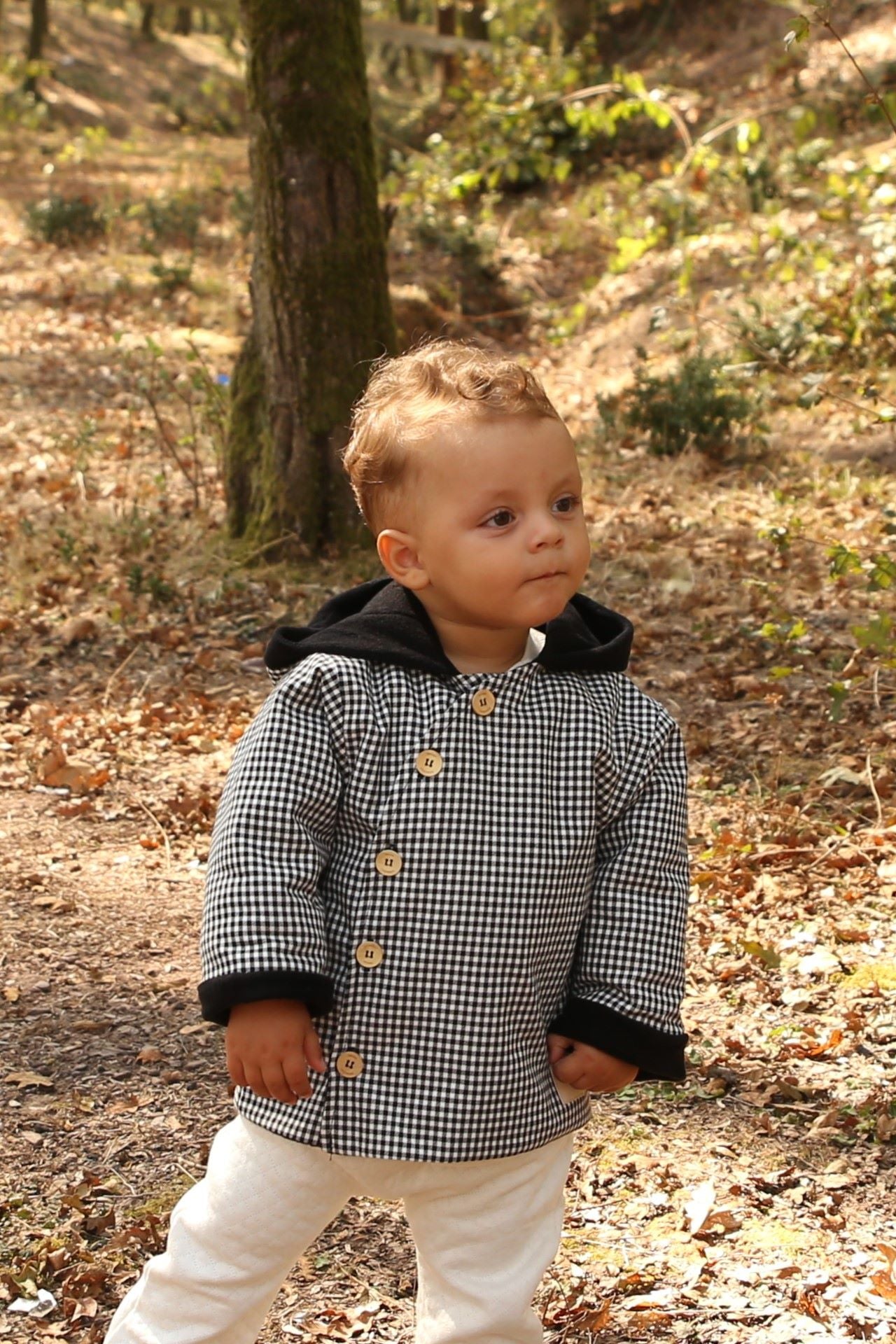
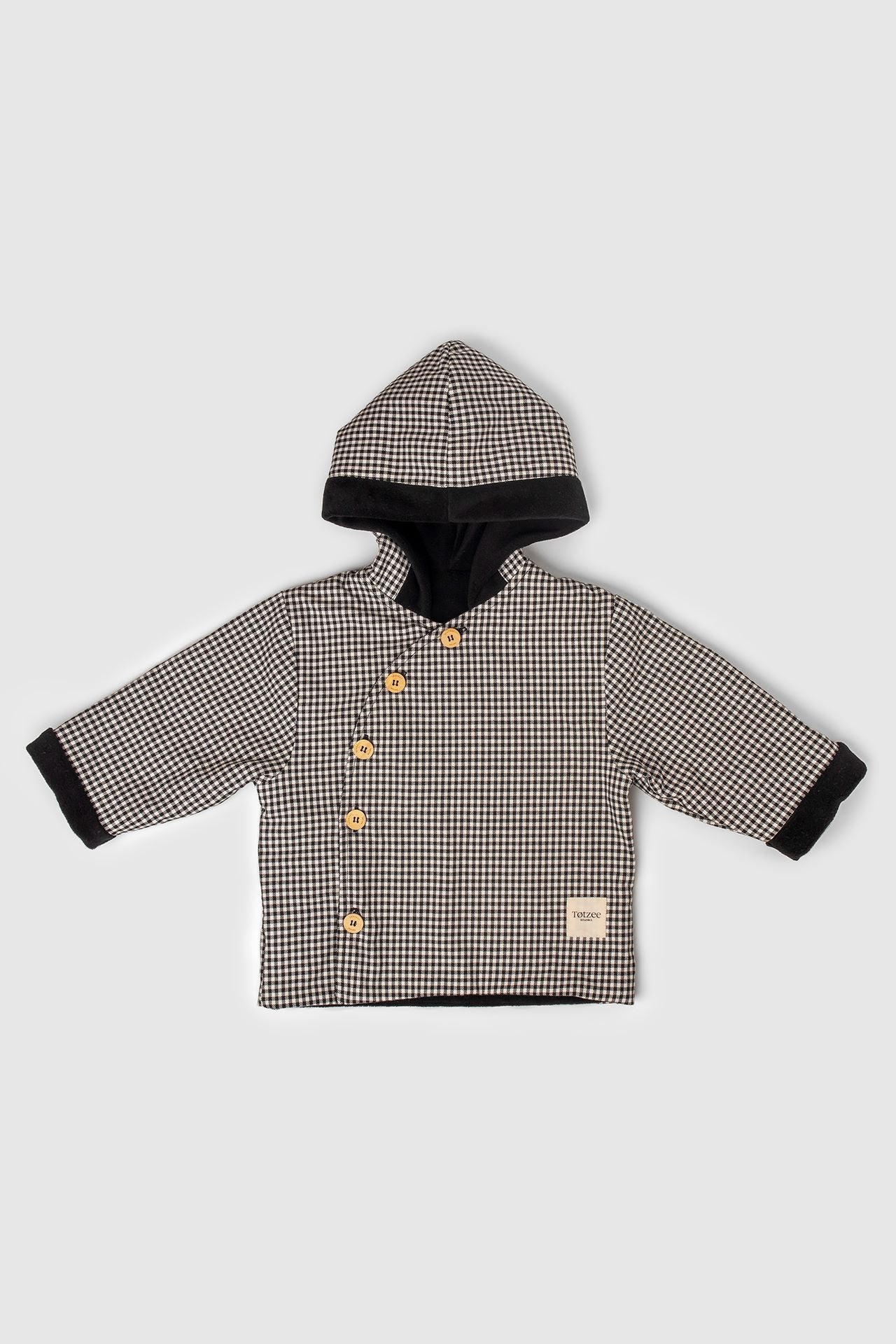
Comfort, breathability and practicality are particularly important when choosing clothes for a 1-month-old baby. Soft cotton fabrics, comfortable fits and easy fastenings can make everyday dressing more manageable. Popper-fastened bodysuits and simple baby grows are useful options when frequent nappy changes are needed.
Clothing should be appropriate for the room temperature, without overheating your baby. Keep your baby's head uncovered during sleep and avoid loose bedding. A correctly fitted baby sleeping bag with an appropriate tog rating can be a practical option for safer sleep. For everyday outfits, explore Totzee's boutique baby clothes collection.
How Often Should a 1-Month-Old Baby Feed?
One-month-old babies generally need frequent feeds throughout the day and night. Breastfed babies often feed around 8–12 times in 24 hours, which may mean approximately every two to three hours, although some feed more frequently. Periods of cluster feeding are also common, particularly during phases of rapid growth.
Formula-fed babies may have different feeding patterns and quantities. It is important to recognise hunger cues and consider wet nappies, weight gain and your baby's general wellbeing when assessing whether feeding is adequate. Babies who were born prematurely, have not regained their birth weight or are gaining weight slowly may need an individual feeding plan from a healthcare professional.
How to Support Your 1-Month-Old Baby's Development
Supporting your baby's development does not require complicated toys or structured activities. Talking face to face, singing gently, responding to their sounds and making brief eye contact all provide valuable opportunities for early communication. Everyday care routines can also become reassuring moments of interaction and learning.
Short periods of supervised tummy time while your baby is awake can support physical development. Start with manageable sessions and stop if your baby becomes tired or distressed. At this age, a safe environment, adequate feeding, sufficient sleep and responsive care are the foundations of healthy development.
When Should You Seek Medical Advice?
Feeding difficulties, concerns about weight gain, unusual lethargy or a lack of response to sounds should be discussed with a healthcare professional. Noticeably unequal movements or a loss of previously observed abilities also warrant assessment.
A temperature of 38°C or higher in a baby under three months requires urgent medical assessment. Difficulty breathing, blue or grey skin, being difficult to wake or signs of severe dehydration also require urgent medical attention. In the UK, contact NHS 111 or seek emergency care as appropriate. Call 999 for life-threatening symptoms.
Frequently Asked Questions About 1-Month-Old Baby Development
How many hours should a 1-month-old baby sleep?
A 1-month-old baby commonly sleeps for around 14–17 hours in a 24-hour period. Sleep is usually divided into shorter stretches, and waking during the night for feeds is normal.
How often should a 1-month-old baby feed at night?
Breastfed babies may feed every two to three hours or more frequently, including overnight. Feeding needs depend on weight gain, general health and individual circumstances. Follow personalised advice from your health visitor or healthcare professional when needed.
Can a 1-month-old baby hold their head up?
A 1-month-old baby may briefly attempt to lift their head, particularly during supervised tummy time. However, reliable head control has not yet developed, so the head and neck must always be supported when carrying or holding your baby.
Can a 1-month-old baby smile?
Reflex smiles can occur during the newborn period. Social smiling, when a baby smiles in response to another person, usually becomes more noticeable around the second month.
Can a 1-month-old baby start teething?
Teething at one month is very uncommon. The first milk teeth typically begin appearing at around six months. If you notice unusual changes inside your baby's mouth, consult a healthcare professional.
Follow Your Baby's Development Month by Month
The early physical, cognitive and social changes that begin during the first month continue throughout the first year. To understand how these milestones develop over time, visit our 0–12 months baby development guide.
During the following month, social smiling, early vocal sounds and improving head control may become more noticeable. Discover what comes next in our 2-month-old baby development guide.
This article is for general information only and does not replace professional medical advice, diagnosis or individual developmental assessment.
Share