
Monthly Baby Development: 8-Month-Old Baby Development
At eight months old, your baby may be becoming more confident in their movements and increasingly curious about the world around them. Sitting without support, attempting to move towards toys, repeating syllable-like sounds and responding more clearly to familiar people are among the changes you may notice. Some babies also begin showing signs of stranger anxiety or becoming unsettled when a parent leaves the room.
This guide explores 8-month-old baby development, including sleep patterns, weight gain, feeding, weaning, physical milestones and everyday care. Every baby develops at their own pace, so milestones should be considered general guidance rather than a strict timetable. For an overview of the first year, explore our baby development from birth to 12 months guide.
What to Expect from an 8-Month-Old Baby's Development
At eight months, babies may respond more deliberately to familiar people, sounds and objects. Smiling at familiar faces, laughing during play, making different sounds and reaching towards interesting toys are common behaviours. Some babies begin repeating syllables such as "ba-ba", "ma-ma" or "da-da", although these sounds may not yet represent meaningful words.
Physical development continues as core strength and hand-eye coordination improve. Many babies can sit without support, while others still use their hands for balance. Transferring toys between hands, banging objects together and attempting to move towards something interesting may also become more noticeable.
8-Month-Old Baby Sleep
How much should an 8-month-old baby sleep? The general recommendation for babies aged four to twelve months is around 12–16 hours of sleep over a 24-hour period, including daytime naps. At eight months, daytime naps remain important, while night-time sleep may begin occurring in longer stretches. However, waking during the night can still be normal.
New movement skills, teething or increased sensitivity to separation may coincide with temporary changes in sleep. Some families refer to this as the "8-month sleep regression", but it is not a medically defined stage that every baby is expected to experience.
A consistent bedtime routine, a calm environment and recognising signs of tiredness may help your baby settle. For safer sleep, always place your baby on their back on a firm, flat mattress with no pillows, duvets, soft toys or loose bedding. If your baby can independently roll in both directions, you do not usually need to keep turning them back over, but you should continue placing them on their back at the start of every sleep.
8-Month-Old Baby Teething
At eight months, your baby's first milk teeth may already have appeared. The lower front teeth often emerge first, followed by the upper front teeth, although the timing and order vary. Some babies have several teeth at this age, while others have not yet developed their first tooth.
Tender gums, increased dribbling and a desire to chew objects may accompany teething. Gently rubbing the gums with a clean finger or offering a safe teething ring may help. Amber teething necklaces should not be used because of choking and strangulation risks. Seek professional advice before using teething medicines or gels.
Once the first tooth appears, brush twice daily with a soft baby toothbrush and a smear of fluoride toothpaste containing at least 1,000 ppm fluoride. A high temperature, significant diarrhoea or serious symptoms should not automatically be attributed to teething.
8-Month-Old Baby Weight
An 8-month-old baby's weight depends on birth weight, gestational age, feeding and individual growth patterns. The rapid weight gain seen during the earliest months may gradually slow, so babies are not expected to reach one particular weight at eight months.
Healthcare professionals assess weight, length and head circumference using appropriate growth charts. Growth over time is more informative than a single measurement. Although solid food meals become more varied, breast milk or suitable infant formula remains an important source of nutrition throughout the first year.
If weight gain slows significantly, unexpected weight loss occurs or feeding difficulties develop, speak to your health visitor or GP.
8-Month-Old Baby Care
Creating a safe environment for movement becomes increasingly important when caring for an 8-month-old baby. Your baby may roll, shuffle or attempt to crawl and move unexpectedly. Check your home for hazards such as stairs, electrical sockets, cables, sharp corners and furniture that could tip over.
Keep button batteries, small magnets, small toy parts and other choking hazards well out of reach. Never leave your baby unattended on a raised surface, even if they have not yet started moving independently.
During meals, your baby should be seated upright and securely in a suitable highchair, with an adult supervising at all times. Talking, playing and responding to your baby's sounds during everyday routines can support social and language development. Keeping the nappy area clean and dry, choosing comfortable clothing and providing gentle skincare also contribute to everyday comfort.
8-Month-Old Baby Physical Development
At eight months, head, neck and core control are generally becoming stronger. Many babies can sit independently, reach for toys while sitting and adjust their position to maintain balance. However, some babies are still developing the strength and coordination needed to sit without support.
Rolling, shuffling, pivoting or attempting to crawl may become more noticeable. Some babies begin moving backwards before learning to move forwards, while others have not yet started moving across the floor. Crawling is not a milestone that every baby must achieve at the same age or in the same way.
Hand skills also continue developing. Your baby may transfer toys between hands, bang two objects together or attempt to pick up smaller items using their fingers. Because small objects present a choking risk, only safe, age-appropriate toys should be offered.
8-Month-Old Baby Vision and Hearing Development
At eight months, babies may follow moving objects with their eyes, notice toys at different distances and examine objects more closely. Improving hand-eye coordination helps them reach for and grasp objects with increasing accuracy.
Hearing and communication skills continue developing through recognising familiar voices, responding to changes in tone and repeating syllable-like sounds. Some babies begin turning towards their name, although the consistency of this response varies. Talking, singing and copying your baby's vocalisations can encourage early communication.
8-Month-Old Baby Clothes
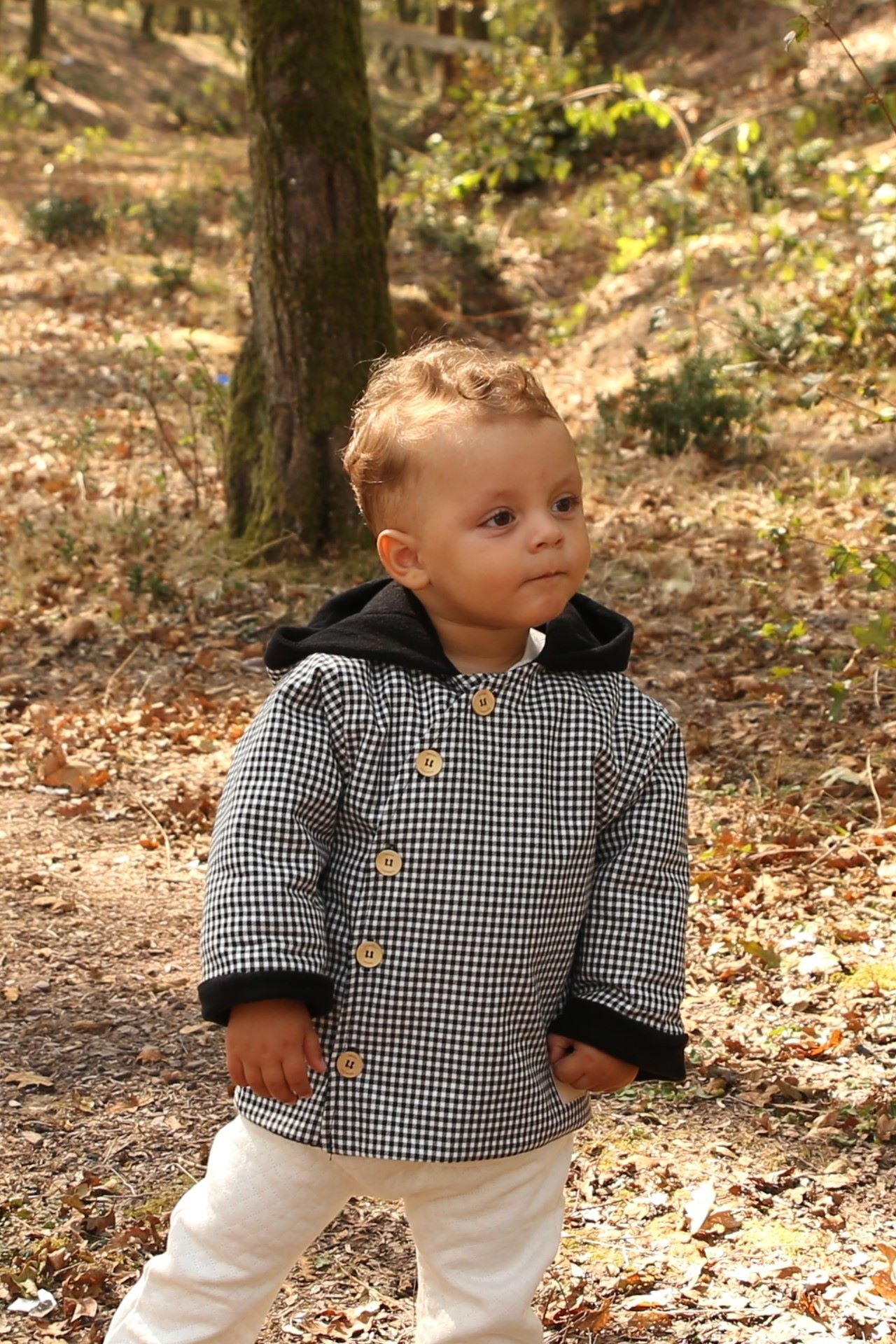
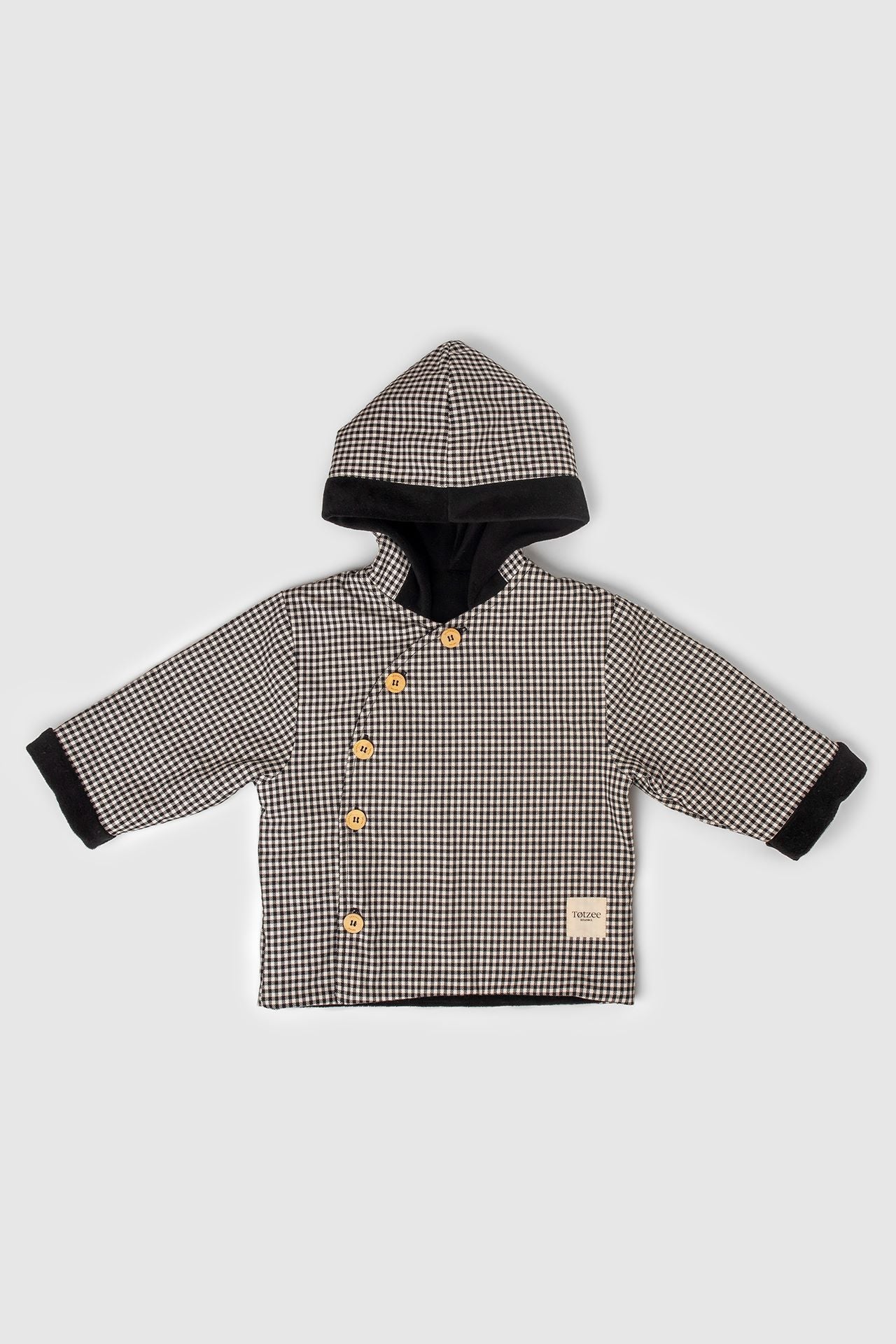
As your eight-month-old baby becomes more active, comfortable clothing that allows freedom of movement becomes increasingly useful. Soft, breathable cotton fabrics and flexible designs are practical everyday choices. Popper-fastened bodysuits, comfortable baby grows and trousers that do not restrict movement can support comfort during floor play.
Choose clothing according to the room temperature and avoid excessive layers that may cause overheating. Keep your baby's head uncovered during sleep and avoid loose bedding or accessories that are unsuitable for safe sleep. For everyday outfits, explore Totzee's boutique baby clothes collection.
How Often Should an 8-Month-Old Baby Feed?
Feeding frequency at eight months depends on whether your baby receives breast milk or formula and on their individual needs. Breastfed babies continue feeding responsively, while formula-fed babies may follow different feeding intervals. Although solid foods become more varied, breast milk or suitable infant formula remains an important source of nutrition throughout the first year.
Rather than following one rigid feeding interval, respond to your baby's hunger and fullness cues. Wet nappies, general wellbeing and steady growth over time can help healthcare professionals assess whether feeding is adequate.
8-Month-Old Baby Weaning and Feeding Routine
At eight months, babies who have started weaning may continue exploring different flavours and textures. Vegetables, fruit, iron-rich meat and pulses, well-cooked eggs, plain yoghurt and suitable cereals can contribute to a varied diet. Offering different foods helps your baby become familiar with a wider range of tastes and consistencies.
As your baby's feeding skills develop, you can gradually move beyond smooth purées towards soft, mashed and appropriately prepared finger foods. The texture and shape of each food should match your baby's abilities and minimise choking risks. Always supervise meals closely.
How Many Solid Meals Should an 8-Month-Old Baby Have?
Between six and eight months, solid foods are commonly offered around two to three times a day. However, the number of meals depends on when your baby started weaning, their appetite and individual needs. Breast milk or formula should continue alongside increasingly varied solid foods.
What Can an 8-Month-Old Baby Eat for Breakfast?
Well-cooked eggs, plain full-fat yoghurt, mashed avocado, soft fruit and porridge prepared to an appropriate consistency can be suitable breakfast options. Rather than relying on one particular recipe, focus on variety and foods that match your baby's developing feeding skills.
For more inspiration using different ingredients and textures, explore our healthy baby breakfast ideas. Consider your baby's previous exposure to ingredients, any allergies and their ability to manage different textures before trying a recipe.
Can an 8-Month-Old Baby Eat Finger Foods?
Babies who are developmentally ready may begin exploring soft, appropriately prepared finger foods at eight months. Well-cooked vegetables and suitably cut soft fruit can be options. Your baby should be able to sit upright with adequate support, bring food towards their mouth and remain supervised throughout meals.
Hard, round or slippery foods may present a choking risk. Whole grapes, whole nuts and hard raw vegetable pieces must not be offered in unsafe forms.
Which Foods Should an 8-Month-Old Baby Avoid?
Do not give honey before your baby's first birthday because of the risk of infant botulism. Avoid adding salt or sugar to your baby's food. Cow's milk can be used in cooking from around six months, but it should not replace breast milk or infant formula as a main drink before 12 months.
Whole nuts, whole grapes, hard food pieces and other potential choking hazards must be avoided or prepared safely. Common allergens such as egg, peanut, dairy, wheat and fish can generally be introduced in suitable forms and small amounts. If your baby has severe eczema or a diagnosed food allergy, seek advice from your GP or health visitor before introducing potentially allergenic foods, particularly peanut.
Can an 8-Month-Old Baby Drink Water?
Yes. Once your baby has started solid foods, you can offer small sips of water with meals from an open cup or a suitable free-flow cup. Water should not replace breast milk or infant formula. Sugary drinks and fruit juices are not recommended.
Separation Anxiety and Stranger Anxiety in 8-Month-Old Babies
Around eight months, some babies begin distinguishing more clearly between familiar people and strangers. Your baby may become cautious around someone they previously accepted happily or become unsettled when a parent leaves the room. These behaviours can be part of normal social and emotional development.
Separation anxiety does not begin at exactly the same age or appear with the same intensity in every baby. Calm, brief goodbyes, familiar routines and a reassuring approach may help. It is normal for babies to need time to become comfortable around unfamiliar people.
8-Month-Old Baby Social and Cognitive Development
At eight months, babies may enjoy interactive games and begin taking turns during simple exchanges. Making a sound and waiting for an adult to respond, copying facial expressions and engaging with familiar people can support social communication.
Shaking toys, banging objects together, dropping items or searching for a partially hidden toy can encourage early learning. Your baby may attempt to find a toy hidden beneath a cloth while watching. These activities help develop curiosity and an early understanding of objects and cause and effect.
How to Support Your 8-Month-Old Baby's Development
Talking, singing, copying your baby's sounds and playing interactive games can encourage communication. Simple games such as peekaboo and hiding a toy under a cloth can support attention and curiosity.
Provide a safe space for floor play and place suitable toys within reaching distance to encourage movement and exploration. Rather than forcing crawling or standing, allow your baby to develop new skills at their own pace. Wheeled baby walkers are not recommended because of the risk of injury.
During weaning, allow your baby to explore new flavours and textures at their own pace. Talking during meals and respecting hunger and fullness cues can help establish positive feeding experiences.
When Should You Seek Medical Advice?
If your 8-month-old baby has significant difficulty controlling their head, does not reach towards objects, does not respond to loud sounds, shows very little social interaction or uses one side of their body noticeably less than the other, discuss your concerns with a healthcare professional. Losing previously acquired skills also warrants assessment.
Not crawling at eight months is not, by itself, evidence of a developmental problem. However, if you have concerns about movement, communication or feeding, speak to your health visitor or GP rather than waiting for the next routine appointment.
Persistent swallowing difficulties, repeated choking episodes, significant weight loss or signs of dehydration require medical advice. Difficulty breathing, blue or grey skin or being difficult to wake are emergency warning signs. In the UK, contact NHS 111 for urgent medical advice or call 999 for life-threatening symptoms.
Frequently Asked Questions About 8-Month-Old Baby Development
How many hours should an 8-month-old baby sleep?
For babies aged four to twelve months, the general recommendation is around 12–16 hours of sleep over 24 hours, including naps. Individual needs vary, and night waking can still be normal at eight months.
Can an 8-month-old baby crawl?
Some eight-month-old babies begin shuffling or crawling, while others have not yet started moving across the floor. Crawling is not a milestone that every baby must achieve at this age.
Can an 8-month-old baby sit independently?
Many eight-month-old babies can sit without support, while others still use their hands for balance. The timing of independent sitting varies. If you have concerns about your baby's core strength or movement, speak to a healthcare professional.
How many solid meals should an 8-month-old baby have?
Between six and eight months, solid foods are commonly offered two to three times a day. The number of meals depends on your baby's appetite and progress with weaning. Breast milk or infant formula should continue alongside solid foods.
Is stranger anxiety normal at eight months?
Yes. Some eight-month-old babies become more cautious around unfamiliar people or upset when separated from a parent. These behaviours can be part of normal social and emotional development and vary in intensity.
Can an 8-month-old baby drink water?
Yes. Small sips of water can be offered with meals once your baby has started solid foods. Water should not replace breast milk or infant formula.
Follow Your Baby's Development Month by Month
Developing sitting, grasping, movement and communication skills during the eighth month provides a foundation for new learning experiences. Exploring different food textures and becoming more aware of familiar people are also important parts of this stage. Explore the wider picture in our 0–12 months baby development guide.
To revisit earlier milestones, read our 7-month-old baby development guide and 6-month-old baby development guide. For the next stage, explore our 9-month-old baby development guide.
This article is for general information only and does not replace professional medical advice, diagnosis or individual developmental assessment.
Share