Sleep Training for Babies
Sleep Training for Babies: When and How to Start?
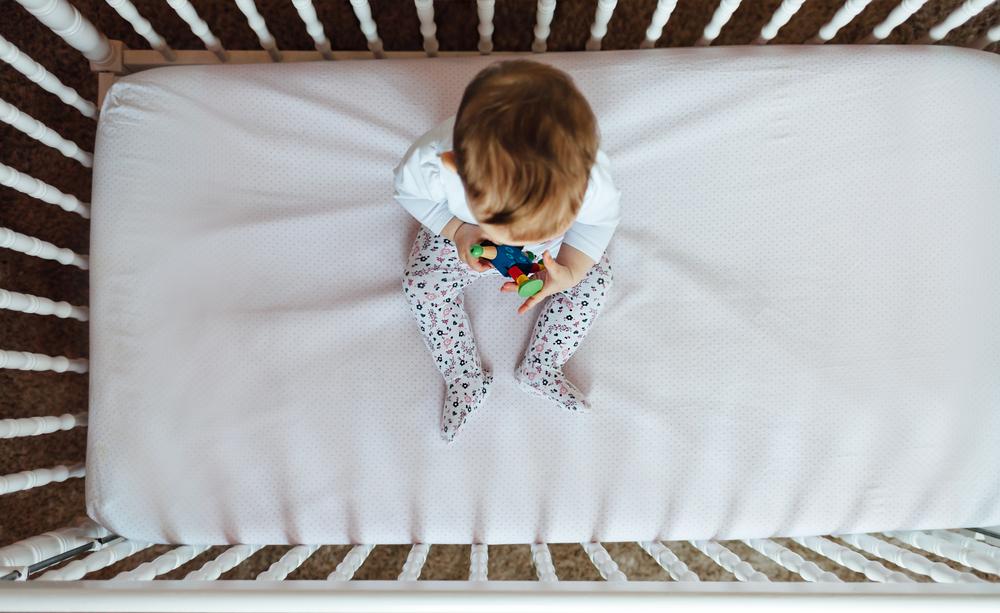
Sleep is essential for your baby’s growth and development. Yet, many parents wonder: when is the right time to start sleep training for babies? Let’s explore expert-backed tips to guide you.
When Should You Start Sleep Training?
Most babies develop a regular sleep pattern between 3 and 6 months old. At this stage, they start recognizing day from night. You can softly introduce sleep training for babies during this period, while observing your baby's unique needs and signals.
Is Sleep Training Bad for Babies?
One common concern is whether sleep training can harm your baby. Many ask, is sleep training bad for babies? According to experts, when done correctly, sleep training does not negatively impact your baby’s emotional health. Instead, it teaches valuable self-soothing skills that foster healthy sleep habits.
Gentle & No-Cry Sleep Training Methods
You don’t have to use harsh methods. Many gentle sleep training for babies approaches exist that avoid prolonged crying:
-
Create a Routine: Establish regular nap and bedtime schedules. A consistent routine helps regulate sleep timings for babies, making it easier for them to settle.
-
Soothing Pre-Bedtime Habits: Gentle massages, bedtime stories, or soft lullabies work well. Introducing a soft sleep buddy can also comfort your baby and ease them into sleep.
-
Observe and Respond: Not every cry means distress. Learning to differentiate between attention-seeking and genuine needs allows you to respond appropriately while teaching independence.
-
Adapt Techniques: Experiment with methods like no-cry or pick-up-put-down to find what works best for your baby's temperament.
The Role of a Sleep Buddy
A sleep buddy provides comfort through familiar textures and scents, helping your baby feel secure and relaxed while learning to sleep independently.
Sleep Training Success Requires Patience
Every baby is unique. The best sleep training for babies is the one tailored to your child’s needs. With patience, understanding, and consistency, your baby will develop healthy, long-lasting sleep habits.
Share