At 37 weeks pregnant, your baby measures approximately 48.6 cm from head to heel and weighs around 2.9 kg. Your baby is now roughly the length of a large Swiss chard leaf. Although your baby is approaching birth, the brain, lungs and other organs continue to develop during these final weeks.
At 37 weeks, your pregnancy has entered the early-term period. Babies born from 37 weeks onwards are no longer classified as premature. However, the remaining weeks are still important for your baby's development, particularly the maturation of the lungs and brain.
There are approximately three weeks until your estimated due date, although labour may begin before or after that date. You may notice increased pelvic pressure, more frequent Braxton Hicks contractions and changes in how your baby's movements feel.
37 weeks pregnant at a glance: Your baby is approximately 48.6 cm long and weighs around 2.9 kg. Your pregnancy has reached the early-term stage, and labour may begin in the coming weeks. Your baby's usual movements should continue, and any reduction or change requires immediate assessment.
Contents
What Does Being 37 Weeks Pregnant Mean?
How Is Your Baby Developing at 37 Weeks?
How Big Is Your Baby at 37 Weeks?
What Does a Baby Look Like at 37 Weeks?
Should Your Baby Be Head Down at 37 Weeks?
What Should Baby Movements Feel Like at 37 Weeks?
How Is Your Body Changing at 37 Weeks?
Common Symptoms at 37 Weeks Pregnant
Does Your Cervix Start Changing at 37 Weeks?
Preparing for Birth at 37 Weeks
37 Weeks Pregnant: At a Glance
Topic
At 37 Weeks
Pregnancy stage
37 weeks
Trimester
Third trimester
Gestational classification
Early term (37 weeks 0 days to 38 weeks 6 days)
Baby's length
Approximately 48.6 cm
Baby's estimated weight
Around 2.9 kg
Size comparison
About the length of a large Swiss chard leaf
Baby's position
Usually head down
Movements
Your baby's usual movement pattern should continue
Time until estimated due date
Approximately 3 weeks
What Does Being 37 Weeks Pregnant Mean?
At 37 weeks pregnant, you are in the third trimester and have reached the early-term stage of pregnancy. Your baby is no longer considered premature if born from 37 completed weeks onwards.
Although your baby's major organs are well developed, the brain, lungs and other body systems continue to mature. These final weeks can make an important difference to your baby's readiness for life outside the womb.
Babies born at 37 weeks generally do well, but they have a higher likelihood of breathing difficulties, feeding problems and difficulties maintaining body temperature than babies born at 39 or 40 weeks.
For this reason, planned birth without a medical indication is generally avoided before 39 weeks. Your maternity team will consider your individual circumstances when discussing the timing of birth.
How Is Your Baby Developing at 37 Weeks?
Your baby continues to gain weight and prepare for life after birth at 37 weeks. Increasing fat beneath the skin gives the body a fuller appearance and helps your baby regulate body temperature after delivery.
The lungs are well developed but continue to mature. Surfactant, a substance that helps keep the tiny air sacs in the lungs open, plays an important role in breathing after birth.
Your baby's sucking and swallowing abilities are also developing. These skills will help with feeding, while the digestive system continues preparing to process milk.
Brain and nervous system development remain active throughout the final weeks of pregnancy and continue after birth.
How Big Is Your Baby at 37 Weeks?
At 37 weeks, your baby measures approximately 48.6 cm from head to heel and may weigh around 2.9 kg. These are approximate figures, and individual babies grow at different rates.
For a simple visual comparison, your baby is roughly the length of a large Swiss chard leaf. Food comparisons are intended to make size easier to imagine rather than provide precise medical measurements.
If an ultrasound scan is performed, your baby's estimated weight is calculated using measurements of the head, abdomen and thigh bone. Ultrasound weight estimates have a margin of error, so your maternity team considers them alongside previous measurements and your baby's overall growth pattern.
Baby size at 37 weeks:Length: Approximately 48.6 cmEstimated weight: Around 2.9 kgSize comparison: A large Swiss chard leaf
What Does a Baby Look Like at 37 Weeks?
At 37 weeks, your baby looks increasingly like a newborn. Continued fat accumulation gives the cheeks, arms and legs a rounder appearance.
Much of the fine hair known as lanugo may have disappeared from your baby's body. However, some babies are born with patches of lanugo still present.
The white, protective coating called vernix caseosa may also remain on the skin. This substance helps protect your baby's skin while surrounded by amniotic fluid.
With limited space available inside the womb, your baby usually remains curled up with the arms and legs bent. You may notice strong pushing, stretching and rolling sensations as your baby moves.
Should Your Baby Be Head Down at 37 Weeks?
Most babies are in a head-down position by 37 weeks. This is known as cephalic presentation and is the most common position for vaginal birth.
Your baby's head may have moved lower into the pelvis, a process called engagement. This can happen before labour begins, particularly during a first pregnancy.
However, engagement does not mean labour will necessarily start immediately. Some babies engage several weeks before birth, while others move lower during labour.
If your baby remains breech at 37 weeks, your midwife or obstetrician will discuss your options. Depending on your circumstances, these may include external cephalic version (ECV), planned caesarean birth or vaginal breech birth in an appropriate setting.
What Should Baby Movements Feel Like at 37 Weeks?
At 37 weeks, your baby's usual pattern of movement should continue. Although movements may feel different as your baby grows, they should not become less frequent simply because there is less room.
You may feel strong pushes, stretches, kicks and rolls. Every baby has an individual movement pattern, and there is no fixed number of daily movements that applies to every pregnancy.
If your baby is moving less than usual, you cannot feel your baby moving or their usual pattern has changed, contact your midwife or maternity unit immediately. Do not wait until the next day. Do not delay assessment by trying sugary foods, cold drinks or a home Doppler.
How Is Your Body Changing at 37 Weeks?
At 37 weeks, your growing baby and the physical changes of late pregnancy may make everyday activities more tiring. Your centre of gravity has shifted, and you may experience increased pressure around your pelvis and lower back.
If your baby moves lower into the pelvis, pressure beneath your ribs may ease, making breathing slightly more comfortable. However, additional pressure on your bladder may mean needing to pass urine more frequently.
Backache, pelvic discomfort, sleep difficulties and Braxton Hicks contractions may also become more noticeable. Regular contractions that grow stronger and closer together can indicate that labour is beginning.
Common Symptoms at 37 Weeks Pregnant
Symptom or Change
Can It Occur at 37 Weeks?
Braxton Hicks contractions
Yes
Backache
Yes
Pelvic pressure
Yes
Frequent urination
Yes
Difficulty sleeping
Yes
Heartburn and indigestion
Yes
Constipation and bloating
Yes
Leg cramps
Yes
Mild, gradual swelling of the feet and ankles
Yes
Increased vaginal discharge
Yes
Leaking colostrum
Yes
Symptoms vary between pregnancies. Sudden swelling, severe headaches, visual disturbances, vaginal bleeding or changes in your baby's movements should not be dismissed as normal late-pregnancy symptoms.
Does Your Cervix Start Changing at 37 Weeks?
As birth approaches, your cervix may begin to soften, shorten and open. These changes are part of cervical ripening and help prepare your body for labour.
For some people, cervical changes begin days or weeks before labour. For others, noticeable changes occur during labour itself.
A cervix that has not started opening does not necessarily mean birth is still a long way off. Similarly, a small amount of cervical dilation does not reliably predict when labour will begin.
You may also notice the loss of your mucus plug, sometimes called a show. This is usually a thick, jelly-like discharge that may appear clear, pink or lightly blood-stained.
Losing your mucus plug does not mean labour will necessarily start immediately. Contact your maternity unit if you experience vaginal bleeding, suspect your waters have broken or have regular contractions.
Preparing for Birth at 37 Weeks
At 37 weeks pregnant, labour may begin at any time, so it is useful to have your practical preparations ready. Check your hospital bag, organise important documents and confirm your travel arrangements to the maternity unit.
Make sure you know who to contact when labour begins, if your waters break, if you experience vaginal bleeding or if your baby's movements reduce or change.
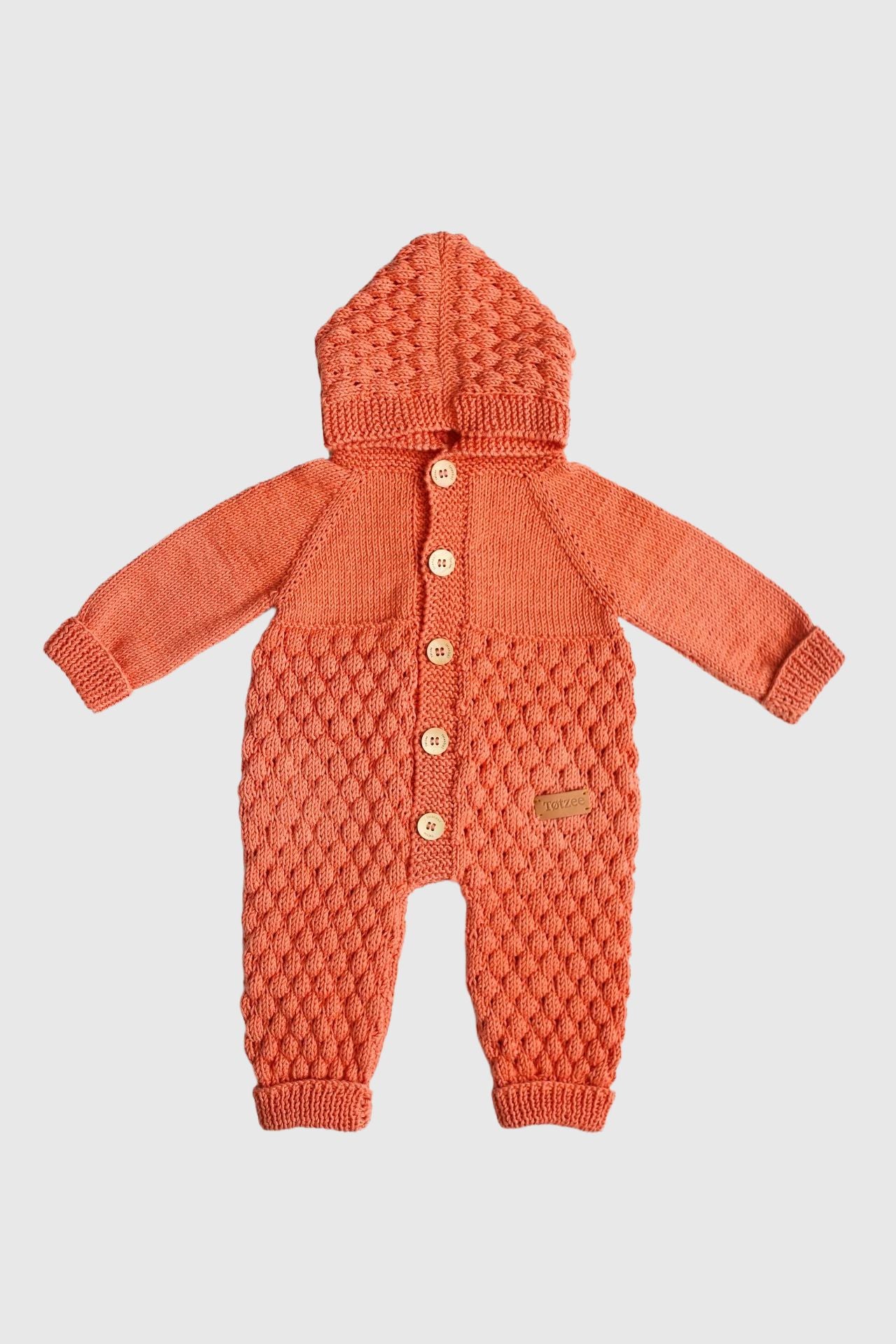
You can also prepare the essential clothing your baby will need during the first few days. Comfortable newborn sleepsuits, bodysuits and seasonally appropriate clothing can make dressing and everyday care more convenient.
In Part 2: We will cover ultrasound scans at 37 weeks, your baby's position, signs of labour, the difference between Braxton Hicks and labour contractions, cervical dilation, waters breaking, vaginal discharge, nutrition, exercise, sleep and antenatal appointments.
Do You Need an Ultrasound Scan at 37 Weeks?
Not everyone needs an ultrasound scan at 37 weeks pregnant. In the UK, additional scans are usually arranged when there is a clinical reason to assess your baby's growth, position, amniotic fluid or another aspect of the pregnancy.
If a growth scan is recommended, your sonographer may measure your baby's head, abdomen and thigh bone to calculate an estimated fetal weight. This is an approximation rather than an exact measurement.
What May Be Assessed
What the Scan May Show
Baby's growth
Measurements of the head, abdomen and thigh bone
Estimated fetal weight
An approximate weight calculated from ultrasound measurements
Baby's position
Whether your baby is head down, breech or in another position
Amniotic fluid
The amount of fluid surrounding your baby
Placenta
Its position and other relevant findings when clinically indicated
Blood flow
Doppler ultrasound findings when additional assessment is needed
Your maternity team will interpret any ultrasound findings alongside previous measurements, your baby's movements and your individual circumstances.
Can Your Baby Change Position at 37 Weeks?
Most babies are in a head-down position by 37 weeks. As space inside the womb becomes more limited, spontaneous turning is less likely than earlier in pregnancy, although it remains possible.
Your baby's head may have moved lower into the pelvis. This is called engagement and can happen before labour begins, particularly during a first pregnancy.
However, engagement does not reliably predict when labour will start. Some babies engage weeks before birth, while others move lower during labour.
What Happens If Your Baby Is Breech at 37 Weeks?
If your baby is still breech at 37 weeks, your midwife or obstetrician will discuss your birth options. Breech presentation means your baby's bottom or feet are positioned towards the birth canal rather than the head.
One possible option is external cephalic version (ECV), a procedure in which a trained healthcare professional applies controlled pressure to your abdomen to try to turn your baby into a head-down position.
ECV is not suitable for every pregnancy and is not always successful. Your maternity team will assess whether it is appropriate and explain the potential benefits and risks.
If your baby remains breech, your options may include planned caesarean birth or vaginal breech birth in an appropriate setting. The safest approach depends on your circumstances and the expertise available.
What Are the Signs of Labour at 37 Weeks?
Labour can begin at 37 weeks pregnant. Your pregnancy has reached the early-term period, although the exact timing of birth cannot be predicted from your gestational age alone.
Possible signs that labour is beginning include:
Contractions that become increasingly regular
Contractions that grow longer, stronger and closer together
Backache that may spread towards your abdomen
Period-type cramps
Increasing pressure in your pelvis
A jelly-like mucus discharge known as a show
A sudden gush or continuous trickle of fluid if your waters break
Labour does not begin in exactly the same way for everyone. Some people experience contractions first, while others notice their waters breaking before contractions start.
If you think labour has started, follow your maternity unit's guidance about when to contact them or attend hospital. If your waters break, you experience vaginal bleeding or your baby's movements reduce or change, contact your maternity unit immediately rather than waiting for contractions to become stronger.
How Can You Tell the Difference Between Labour and Braxton Hicks?
Labour contractions generally become more regular, longer, stronger and closer together over time. Braxton Hicks contractions are usually irregular and do not progressively intensify.
Braxton Hicks Contractions
Possible Labour Contractions
Usually irregular
May become increasingly regular
Do not usually become progressively more frequent
May occur closer together over time
Do not usually become progressively stronger
May become longer and more intense
Do not cause progressive cervical changes
May be associated with cervical dilation and effacement
Do not necessarily indicate labour
May indicate that labour is beginning
Contraction intensity alone cannot always distinguish Braxton Hicks from labour. Your maternity team may need to assess your symptoms and examine your cervix when clinically appropriate.
Can Your Cervix Start Dilating at 37 Weeks?
At 37 weeks, your cervix may begin to soften, shorten and open in preparation for labour. This process is known as cervical ripening.
Some people have a small amount of cervical dilation before labour begins, while others experience these changes during labour itself.
A cervix that has not started dilating does not mean labour is necessarily a long way off. Similarly, being slightly dilated does not reliably predict whether labour will begin that day.
Your midwife or obstetrician will decide whether a cervical examination is appropriate based on your symptoms and individual circumstances.
What Should You Do If Your Waters Break at 37 Weeks?
When your waters break, you may notice a sudden gush or a continuous trickle of watery fluid from your vagina. It can sometimes be difficult to distinguish amniotic fluid from urine or normal vaginal discharge.
If you think your waters have broken, contact your maternity unit immediately, even if contractions have not started.
Tell your maternity team when the fluid started leaking and what colour it appears to be. Amniotic fluid is often clear or pale, but green, brown or blood-stained fluid requires particularly prompt assessment.
Suspected waters breaking: Do not wait at home for contractions to begin before contacting your maternity unit. Your team will advise you about assessment, monitoring and the next steps.
What Does Losing Your Mucus Plug Mean at 37 Weeks?
Losing your mucus plug, sometimes called having a show, can be a sign that your cervix is beginning to change. The mucus plug helps protect the cervix during pregnancy.
A show is usually thick and jelly-like. It may appear clear, whitish, pink or lightly blood-stained.
Some people notice a show days before labour, while others experience it during labour or do not notice it at all.
Losing your mucus plug does not reliably indicate exactly when labour will begin. Contact your maternity unit if you experience vaginal bleeding, particularly if it is more than a small amount of blood-stained mucus.
Is Increased Vaginal Discharge Normal at 37 Weeks?
An increase in vaginal discharge is common during late pregnancy. Healthy discharge is generally thin, clear or milky white and should not have an unpleasant smell.
Contact your midwife or GP if discharge becomes green or yellow, smells unpleasant, causes itching or soreness, or is accompanied by pain when passing urine.
If you notice continuous watery discharge, contact your maternity unit because it may be difficult to distinguish normal discharge from leaking amniotic fluid.
Is Pelvic or Back Pain Normal at 37 Weeks?
Pelvic pressure and backache are common at 37 weeks as your baby grows and places additional pressure on your pelvis. Pregnancy-related pelvic girdle pain may affect your lower back, hips, groin and pelvis.
Discomfort can become more noticeable when walking, climbing stairs, turning over in bed or getting in and out of a car.
Speak to your midwife or GP if pain is affecting your mobility or daily activities. Severe, persistent or worsening abdominal pain requires prompt assessment, particularly if accompanied by bleeding, fever, leaking fluid or regular contractions.
Is Swelling Normal at 37 Weeks Pregnant?
Mild swelling of the feet and ankles that develops gradually can occur during the final weeks of pregnancy. It may become more noticeable towards the end of the day.
However, sudden swelling of your face, hands or feet can be a warning sign of pre-eclampsia, particularly when accompanied by other symptoms.
Seek immediate medical advice if you experience:
A severe or persistent headache
Blurred vision or flashing lights
Sudden swelling of your face, hands or feet
Severe pain just below your ribs
Vomiting
Feeling very unwell
Pre-eclampsia can sometimes develop without noticeable symptoms. This is why blood pressure checks and other assessments during antenatal appointments remain important.
What Should You Eat at 37 Weeks Pregnant?
A varied and balanced diet remains important at 37 weeks pregnant. Include fruit and vegetables, wholegrain or higher-fibre starchy foods, pregnancy-safe sources of protein, and dairy foods or suitable alternatives.
You do not need to eat for two. Focus on nutritional variety and appropriate portions rather than substantially increasing how much you eat.
Drinking enough fluids and including fibre-rich foods can help relieve constipation. Continue any supplements recommended by your healthcare professional and avoid supplements containing vitamin A in the form of retinol.
Can You Walk or Exercise at 37 Weeks Pregnant?
If your pregnancy is progressing normally and your maternity team has not advised otherwise, you can generally continue suitable physical activity at 37 weeks. Gentle walking and pregnancy-appropriate exercises may help maintain mobility and comfort.
Avoid exhausting yourself. As a general guide, you should still be able to hold a conversation while exercising.
Because your balance may be affected during late pregnancy, avoid activities with a significant risk of falling or injury to your abdomen.
Stop exercising and seek medical advice if you experience vaginal bleeding, leaking fluid, chest pain, dizziness or regular painful contractions.
Walking can be beneficial for general wellbeing, but it is not a reliable method of starting labour at a particular time.
How Should You Sleep at 37 Weeks Pregnant?
At 37 weeks pregnant, go to sleep on your side. Either your left or right side is suitable.
If you wake up on your back during the night, there is no need to panic. Simply turn onto your side before going back to sleep.
Placing pillows between your knees or beneath your bump may help reduce pressure on your back and pelvis.
What Happens at Your 37-Week Antenatal Appointment?
Antenatal care continues during the final weeks of pregnancy, although not everyone has a routine appointment specifically at 37 weeks. In England, routine appointments are generally scheduled at 36 and 38 weeks, with additional appointments or assessments arranged when needed.
Depending on your circumstances, your midwife or obstetrician may:
Check your blood pressure
Test your urine
Measure your bump to assess growth
Ask about your baby's movements
Check your baby's position
Arrange an ultrasound scan if clinically indicated
Discuss labour symptoms and when to contact the maternity unit
Review your birth preferences and any planned interventions
Group B Streptococcus (GBS) screening is not routinely offered to every pregnant woman in the UK. Testing or preventive treatment may be recommended in particular circumstances according to clinical guidance.
Preparing for Birth at 37 Weeks
At 37 weeks pregnant, labour may begin at any time, so having your essential preparations ready can be helpful. Check your hospital bag, organise important documents and confirm how you will travel to your maternity unit.
Keep your maternity unit's contact details readily available. Make sure you understand when to call if contractions begin, your waters break, you experience vaginal bleeding or your baby's movements reduce or change.
You can also prepare the clothing and care items your baby will need during the first few days. Comfortable newborn sleepsuits, bodysuits and a suitable going-home outfit can make dressing and everyday care more convenient.
In Part 3: We will cover what may be normal at 37 weeks, warning signs requiring medical attention, the risks and considerations of early-term birth, reduced baby movements, pre-eclampsia, waters breaking, common pregnancy myths, your 37-week checklist and frequently asked questions.
What Can Be Normal at 37 Weeks Pregnant?
At 37 weeks pregnant, tiredness, pelvic pressure, backache, difficulty sleeping and occasional Braxton Hicks contractions are common. Your body continues to change as you approach birth, and some symptoms may become more noticeable.
If your baby moves lower into your pelvis, you may find breathing slightly easier. However, the additional pressure on your bladder may mean needing to pass urine more frequently. These changes do not reliably predict when labour will begin.
Symptom or Change
Can It Occur at 37 Weeks?
Your baby's usual movements continuing
Yes
Occasional Braxton Hicks contractions
Yes
Backache and pelvic pressure
Yes
Difficulty sleeping
Yes
Heartburn and indigestion
Yes
Frequent urination
Yes
Leg cramps
Yes
Mild, gradual swelling of the ankles
Yes
Increased normal vaginal discharge
Yes
Leaking colostrum
Yes
Symptoms vary between pregnancies. However, sudden or severe symptoms should not automatically be attributed to normal late-pregnancy changes. Any reduction or clear change in your baby's usual movements requires immediate assessment.
How Can You Support a Healthy Pregnancy at 37 Weeks?
Balanced nutrition, appropriate physical activity, adequate rest and regular antenatal care remain important at 37 weeks. Although your pregnancy has reached the early-term stage, continuing to monitor your health and your baby's movements is essential.
Eat a varied, balanced diet and follow pregnancy food-safety guidance.
Drink enough fluids throughout the day.
Avoid alcohol and smoking.
Check medicines and supplements with your healthcare professional.
Continue suitable physical activity if it is safe for your pregnancy.
Practise pelvic floor exercises.
Avoid activities with a significant risk of falling.
Pay attention to your baby's usual movement pattern.
Attend your scheduled antenatal appointments.
Go to sleep on your left or right side.
Keep your maternity unit's contact details readily available.
When Should You Contact Your Midwife or Maternity Unit at 37 Weeks?
Labour can begin at 37 weeks, but some symptoms may indicate complications that require prompt medical attention. It is important to recognise the difference between common pregnancy discomforts and warning signs.
Contact your maternity unit promptly if you experience:
Your baby moving less than usual, stopping moving or showing a clear change in their usual pattern
Vaginal bleeding or spotting
A sudden gush or continuous trickle of fluid from the vagina
Severe, persistent or worsening abdominal pain
A severe headache or changes in vision
Sudden swelling of your face, hands or feet
Severe pain just below your ribs
Fever or pain when passing urine
Pain, tenderness or swelling in one leg
Sudden or unusual breathlessness
If you are experiencing regular contractions that become stronger and closer together, follow your maternity unit's advice about when to call or attend hospital.
Emergency symptoms: Heavy vaginal bleeding, severe abdominal pain, chest pain, severe difficulty breathing, fainting or loss of consciousness require emergency medical attention. In the UK, call 999 for a medical emergency.
What Happens If You Give Birth at 37 Weeks?
A baby born at 37 weeks is considered early term rather than premature. The early-term period runs from 37 weeks and 0 days to 38 weeks and 6 days.
Many babies born at 37 weeks do well. However, compared with babies born at 39 or 40 weeks, they have a higher likelihood of breathing difficulties, feeding problems, jaundice and difficulties maintaining body temperature.
These differences reflect the important development that continues during the final weeks of pregnancy, particularly in the brain and lungs.
For this reason, planned birth without a medical indication is generally avoided before 39 weeks. If there is a medical reason to recommend earlier delivery, your maternity team will discuss the benefits and risks with you.
How Do You Know If Labour Has Started at 37 Weeks?
Labour contractions usually become increasingly regular, longer, stronger and closer together. As labour progresses, the cervix begins to soften, thin and open.
Possible signs of labour include:
Regular contractions
Contractions becoming more frequent and intense
Backache that may spread towards your abdomen
Period-type cramps
Increasing pressure in your pelvis
A jelly-like mucus discharge known as a show
Your waters breaking
Early labour can progress differently for everyone. Your maternity unit will advise you when to attend based on your symptoms, previous births and individual circumstances.
If your waters break, you experience vaginal bleeding or your baby's movements reduce or change, contact your maternity unit immediately rather than waiting for contractions to become stronger.
Can Pre-eclampsia Develop at 37 Weeks?
Yes. Pre-eclampsia can develop during the final weeks of pregnancy, including at 37 weeks. It is associated with high blood pressure and can affect the health of both the pregnant woman and baby.
Some people have no noticeable symptoms initially, which is why blood pressure checks and other assessments during antenatal care remain important.
Seek immediate medical advice if you experience:
A severe headache
Blurred vision or flashing lights
Sudden swelling of your face, hands or feet
Severe pain just below your ribs
Vomiting
Feeling very unwell
Should Baby Movements Decrease at 37 Weeks?
No. Your baby should not move less simply because there is less room inside the womb. Movements may feel different as your baby grows, but your baby's usual pattern should continue right up to and during labour.
Every baby has an individual movement pattern. There is no fixed number of daily movements that applies to every pregnancy.
If your baby is moving less than usual, you cannot feel your baby moving or their usual pattern has changed, contact your maternity unit immediately. Do not wait until the next day. Do not delay assessment by trying sugary foods, cold drinks, changing position or using a home Doppler.
What Should You Do If Your Waters Break at 37 Weeks?
A sudden gush or continuous trickle of watery fluid from your vagina may indicate that your waters have broken. It can sometimes be difficult to distinguish amniotic fluid from urine or normal vaginal discharge.
Contact your maternity unit immediately if you think your waters have broken, even if contractions have not started.
Tell your maternity team when the fluid started leaking and what colour it appears to be. Green, brown or blood-stained fluid requires particularly prompt assessment.
Your maternity team will advise you about assessment, monitoring and the next steps. Do not wait for contractions to begin before contacting them.
Is Vaginal Bleeding Normal at 37 Weeks?
Vaginal bleeding at 37 weeks should be assessed by your maternity team. Although a small amount of blood-stained mucus can sometimes occur as the cervix begins to change, bleeding may have other causes that require investigation.
Contact your maternity unit if you notice spotting or bleeding. Heavy bleeding, particularly with severe pain, dizziness or fainting, requires emergency medical attention.
Common Myths About Being 37 Weeks Pregnant
Myth
Fact
"A baby is completely mature at 37 weeks."
37 weeks is early term. Brain, lung and other organ development continues.
"A baby born at 37 weeks is premature."
No. Premature birth occurs before 37 completed weeks.
"My baby should move less because there is less room."
No. Movements may feel different, but a reduction or clear change needs immediate assessment.
"If my baby's head is engaged, labour will start immediately."
No. Engagement can happen days or weeks before labour.
"Losing my mucus plug means labour will start today."
No. A show does not reliably predict when labour will begin.
"Every tightening means labour has started."
No. Braxton Hicks contractions are usually irregular and do not progressively intensify.
"If my waters break, I can wait until contractions begin."
No. Contact your maternity unit immediately if you think your waters have broken.
"Walking will definitely bring on labour."
No. Walking is not a reliable method of starting labour at a particular time.
Your 37-Week Pregnancy Checklist
Continue recognising your baby's usual movement pattern.
Contact your maternity unit immediately if movements reduce, stop or change.
Know the signs of labour.
Understand the difference between Braxton Hicks and labour contractions.
Know what to do if your waters break or you experience vaginal bleeding.
Attend your scheduled antenatal appointments.
Discuss your baby's position with your midwife or obstetrician.
Ask about your options if your baby is breech.
Be aware of pre-eclampsia warning signs.
Continue eating a balanced diet and drinking enough fluids.
Stay physically active if it is safe for your pregnancy.
Go to sleep on your left or right side.
Check your hospital bag.
Organise important documents.
Confirm your transport arrangements to the maternity unit.
Prepare practical clothing and essentials for your newborn.
Key Takeaway at 37 Weeks Pregnant
At 37 weeks pregnant, your baby is approximately 48.6 cm long and weighs around 2.9 kg. Your pregnancy has reached the early-term stage, and labour may begin. Your baby's usual movements should continue, and any reduction or change requires immediate assessment. Contact your maternity unit promptly if your waters break or you experience vaginal bleeding.
Frequently Asked Questions
How much does a baby weigh at 37 weeks?
At 37 weeks, your baby may weigh approximately 2.9 kg. Individual babies grow at different rates, and ultrasound weight estimates are not exact.
How long is a baby at 37 weeks?
Your baby measures approximately 48.6 cm from head to heel. This is an average figure, and individual measurements vary.
How many months is 37 weeks pregnant?
37 weeks pregnant is commonly described as around 9 months pregnant. Pregnancy is more accurately measured in weeks because calendar months vary in length.
Which trimester is 37 weeks pregnant?
At 37 weeks, you are in the third trimester, which begins at 28 weeks and continues until birth.
Is a baby born at 37 weeks premature?
No. Babies born from 37 completed weeks onwards are no longer classified as premature. However, 37 weeks is considered early term, and development continues during the remaining weeks.
Is it safe to give birth at 37 weeks?
Many babies born at 37 weeks do well. However, compared with babies born at 39 or 40 weeks, they have a higher likelihood of breathing, feeding and temperature-regulation difficulties. Your maternity team will assess any need for additional care.
Can labour start at 37 weeks?
Yes. Labour can begin at 37 weeks. Regular contractions that become stronger and closer together, a show or your waters breaking may indicate that labour is starting.
Should baby movements decrease at 37 weeks?
No. Your baby's movements may feel different, but their usual pattern should continue. Contact your maternity unit immediately if movements reduce, stop or change.
Should my baby be head down at 37 weeks?
Most babies are head down by 37 weeks, but some remain breech. Your midwife or obstetrician can discuss the available options if your baby is not head down.
Does losing your mucus plug mean labour is starting?
Losing your mucus plug can indicate that your cervix is beginning to change, but it does not reliably predict when labour will begin. Contact your maternity unit if you experience vaginal bleeding.
What should I do if my waters break at 37 weeks?
Contact your maternity unit immediately if you notice a sudden gush or continuous trickle of watery fluid. Do not wait for contractions to begin.
Do I need an ultrasound scan at 37 weeks?
Not everyone needs a scan at 37 weeks. Additional ultrasound scans may be recommended when there is a clinical reason to assess your baby's growth, position, amniotic fluid or another aspect of the pregnancy.
Related Guides & Collections
35 Weeks Pregnant
36 Weeks Pregnant
Newborn Hospital Outfits
Newborn Baby Clothes
Baby Rompers and Jumpsuits
References
NHS – 37 Weeks Pregnant
NHS – Signs That Labour Has Begun
NHS – Your Baby's Movements
NHS – Pre-eclampsia
NHS – Vaginal Bleeding in Pregnancy
NHS – Swollen Ankles, Feet and Fingers in Pregnancy
NHS – Breech Baby at the End of Pregnancy
NHS – Pelvic Pain in Pregnancy
NHS – Your Antenatal Appointments
NICE – Antenatal Care
NICE – Intrapartum Care
ACOG – Definition of Term Pregnancy
RCOG – Breech Baby at the End of Pregnancy
Medical disclaimer: This guide provides general information and does not replace personalised medical advice, diagnosis or treatment. If you have concerns about your pregnancy, your baby's movements or any symptoms, contact your midwife, maternity unit, GP or another appropriate healthcare professional.