Blog

Totzee Hafta Hafta Gebelik: 5 Haftalık Gebelik

Blog

Week by Week Pregnancy: 5 Week Pregnant Guide

by Totzee Ailesi on Oct 23 2024
At 5 weeks pregnant, your pregnancy is becoming easier to confirm both through pregnancy tests and, in many cases, an ultrasound scan. Your baby is still tiny—about the size of a sesame seed—but remarkable changes are taking place. The foundations of the brain, spinal cord and other major organs continue to develop, while pregnancy hormones keep rising. This guide explains what happens at 5 weeks pregnant, how your baby is developing, what changes are happening in your body, what may be seen on an ultrasound scan, the symptoms you might experience and what to expect from your first antenatal appointment. Not sure how many weeks pregnant you are?Start with our Pregnancy Week Calculator to estimate your current week of pregnancy, then use our Due Date Calculator to estimate your baby's expected due date. Contents What Does 5 Weeks Pregnant Mean? Your Baby's Development at 5 Weeks What's Happening in Your Body? What Can You See on an Ultrasound at 5 Weeks? 5 Weeks Pregnant Symptoms Your First Antenatal Appointment Frequently Asked Questions 5 Weeks Pregnant at a Glance Topic What Happens? Pregnancy stage Week 5 Trimester First trimester Baby's size About the size of a sesame seed. Key development The embryo continues developing and the neural tube is forming. hCG levels Continue rising. Common symptoms Nausea, tiredness, breast tenderness and frequent urination may become more noticeable. Ultrasound The gestational sac is often visible. Key takeaway this weekWeek 5 is often when pregnancy can be confirmed more clearly with an ultrasound scan. The gestational sac is frequently visible, your baby continues developing rapidly and early pregnancy symptoms may become stronger. What Does 5 Weeks Pregnant Mean? At 5 weeks pregnant, implantation has been completed and your embryo is developing at an extraordinary pace. Although your baby measures only a few millimetres, specialised cells are already beginning to form the structures that will become the brain, spinal cord, heart and other major organs. Your body is also adapting quickly. Levels of human chorionic gonadotrophin (hCG) continue to increase, making home pregnancy tests more reliable than they were a week earlier. Many women also arrange their first appointment with a GP or maternity service around this time. Question Answer Has implantation finished? Yes. Is the embryo developing? Yes. Can the pregnancy be seen on an ultrasound? Often, yes. Are pregnancy tests reliable? Usually, yes. Is it time to arrange antenatal care? Yes. Evidence-based insightThe exact timing of ultrasound findings depends on when ovulation, fertilisation and implantation occurred. A difference of a few days is common and usually not a cause for concern. Your Baby's Development at 5 Weeks Your baby is now officially referred to as an embryo and continues to grow rapidly. Even though the embryo is only about the size of a sesame seed, several important developmental milestones are taking place. One of the most significant events this week is the continued formation of the neural tube, which will develop into your baby's brain and spinal cord. This is why taking folic acid remains especially important during early pregnancy. The yolk sac continues providing nutrients while the placenta develops further, gradually preparing to take over the role of supporting your baby's growth throughout the pregnancy. Development What Is Happening? Embryo Continues growing rapidly. Neural tube Forms the foundation of the brain and spinal cord. Yolk sac Provides early nutritional support. Placenta Continues developing. Did you know?Although your baby measures only a few millimetres, this week's development lays the foundations for every major organ system that will continue forming over the coming weeks. What's Happening in Your Body? As pregnancy hormones continue to rise, many women begin noticing more obvious symptoms. However, others still experience very few changes, and both situations are considered normal. Nausea, tiredness, breast tenderness, a heightened sense of smell and frequent urination often become more noticeable around week 5. Some women may still have no symptoms apart from a missed period. Your uterus continues adapting to support your growing pregnancy while hormonal changes affect many systems throughout your body. Change Why It Happens hCG continues rising Supports the pregnancy. Nausea may begin Hormonal changes. Tiredness increases Higher progesterone levels. Breast tenderness Hormonal changes. No symptoms Can still be completely normal. Coming up nextIn the next section, we'll explain what may be visible on an ultrasound at 5 weeks, the symptoms you can expect, how hCG levels are interpreted and what usually happens during your first antenatal appointment. What Can You See on an Ultrasound at 5 Weeks? Week 5 is often the first stage when a pregnancy can be identified on an ultrasound scan. In many pregnancies, particularly with a transvaginal ultrasound, the gestational sac can now be seen inside the uterus. This confirms that the pregnancy is developing in the correct location. In some pregnancies, the yolk sac may also be visible. This small structure provides nutrients to the embryo during the earliest weeks before the placenta takes over this role. The embryo itself may still be too small to see clearly, and a heartbeat is not always detectable at this stage. If the scan is performed very early, your healthcare professional may recommend another ultrasound in one to two weeks. Ultrasound Finding What Is Usually Seen at 5 Weeks? Gestational sac Often visible. Yolk sac May be visible. Embryo May still be too small to identify clearly. Heartbeat Not usually visible yet. Good to knowUltrasound findings depend on exactly when ovulation and implantation occurred. A scan performed only a few days later may show significantly more development. 5 Weeks Pregnant Symptoms Many women begin noticing stronger pregnancy symptoms during week 5. Rising levels of hCG and progesterone affect many parts of the body, although the type and intensity of symptoms vary considerably from one pregnancy to another. Some women experience several symptoms, while others have almost none apart from a missed period. Both situations can be perfectly normal. Symptom Possible Cause Nausea Pregnancy hormones. Breast tenderness Hormonal changes. Tiredness Higher progesterone levels. Heightened sense of smell Hormonal changes. Frequent urination Increased blood flow and hormonal changes. Mild pelvic discomfort The uterus adapting to pregnancy. No symptoms Still considered normal. Doctor's noteThe severity of pregnancy symptoms does not indicate how healthy a pregnancy is. Some women with very few symptoms go on to have completely healthy pregnancies. When Does Morning Sickness Begin? Morning sickness often begins around weeks 5 or 6 of pregnancy. Despite its name, nausea can occur at any time of the day and may affect each woman differently. Eating small, frequent meals, staying hydrated and avoiding long periods without food may help reduce mild nausea. If vomiting becomes severe or prevents you from keeping fluids down, medical advice should be sought promptly. Morning Sickness Typical Pattern When does it start? Usually around weeks 5–6. Does everyone experience it? No. How long can it last? Often throughout the first trimester, although this varies. Evidence-based insightResearchers believe rising pregnancy hormones, particularly hCG, contribute to nausea during early pregnancy, although the exact cause is not fully understood. What Happens at Your First Antenatal Appointment? Many women contact their GP surgery or local maternity service after receiving a positive pregnancy test. Your booking appointment may be arranged for a little later, but early contact allows your maternity team to begin planning your antenatal care. Your healthcare professional may review your medical history, discuss any medicines you are taking and arrange the appropriate follow-up care. If an early ultrasound scan is performed, it may confirm the pregnancy is developing inside the uterus, although further scans are sometimes recommended if it is still too early to see all expected structures. During Early Pregnancy Care What May Happen? Medical history reviewed Your pregnancy and general health are discussed. Medicines checked Current medicines are reviewed for pregnancy safety. Ultrasound scan The gestational sac may be assessed. Follow-up arranged Your next appointment is planned if needed. Coming up nextIn the final section, you'll learn which findings are considered normal at 5 weeks, when you should seek medical advice, common myths about early pregnancy and a practical checklist to help you through the week. What Is Considered Normal at 5 Weeks Pregnant? At 5 weeks pregnant, every pregnancy progresses at its own pace. Some women experience noticeable nausea, breast tenderness and tiredness, while others have very few symptoms. Both situations can be completely normal. Ultrasound findings also vary depending on the exact stage of pregnancy. It is common to see a gestational sac without yet seeing the embryo or a heartbeat. This often reflects the timing of ovulation and implantation rather than a problem with the pregnancy. Finding Is It Normal? Gestational sac visible ✔ Yes Yolk sac visible ✔ Yes Embryo not yet visible ✔ Yes No heartbeat detected yet ✔ Yes Morning sickness beginning ✔ Yes No pregnancy symptoms ✔ Yes Good to knowA pregnancy developing a few days earlier or later than expected can make a significant difference to what is seen on an ultrasound scan. Follow-up scans are common and help confirm normal development. How Can You Support a Healthy Pregnancy? During week 5, your baby's major organ systems are beginning to form. Healthy daily habits continue to play an important role in supporting normal development. Continue taking folic acid every day. Eat a balanced diet with plenty of fruit, vegetables, whole grains and protein. Drink enough water throughout the day. Avoid smoking, alcohol and recreational drugs. Only take medicines approved by your GP, midwife or pharmacist. Get enough sleep and rest whenever you need to. Stay physically active with gentle exercise if advised it is safe for you. Doctor's noteIf you have not yet contacted your GP surgery or local maternity service, week 5 is a good time to do so. Early contact helps ensure you receive appropriate antenatal care and advice throughout your pregnancy. When Should You Seek Medical Advice? Mild nausea, breast tenderness and light pelvic discomfort are common in early pregnancy. However, some symptoms should always be assessed promptly by a healthcare professional. Heavy vaginal bleeding. Severe or worsening abdominal or pelvic pain. Persistent pain on one side. Fainting or severe dizziness. A temperature above 38°C. Severe vomiting that prevents you from keeping fluids down. Unusual or foul-smelling vaginal discharge. Evidence-based guidanceAlthough these symptoms do not always indicate a serious problem, they may require assessment to rule out conditions such as an ectopic pregnancy, infection or other complications. Common Myths About 5 Weeks Pregnant Myth Fact "If only the gestational sac is visible, something is wrong." At 5 weeks, this can be completely normal. "A heartbeat should always be seen." It is often still too early to detect a heartbeat. "No morning sickness means the pregnancy is unhealthy." Many healthy pregnancies involve very few symptoms. "One ultrasound tells the whole story." Early pregnancy often requires a follow-up scan. "A single hCG result confirms everything." Healthcare professionals interpret hCG alongside ultrasound findings and your clinical history. Your Week 5 Checklist This checklist can help you stay on track during week 5. Continue taking folic acid daily. Eat a healthy, balanced diet. Stay well hydrated. Avoid smoking and alcohol. Contact your GP surgery or maternity service if you have not already done so. Know which symptoms require urgent medical assessment. Key Takeaway Week 5 is an exciting milestone in early pregnancy. The gestational sac is often visible on an ultrasound scan, your embryo continues developing rapidly and your body is adapting to rising pregnancy hormones. Every pregnancy develops at its own pace, so small differences in symptoms or ultrasound findings are usually completely normal. Frequently Asked Questions Can you see a pregnancy at 5 weeks on an ultrasound? In many pregnancies, yes. The gestational sac is often visible on a transvaginal ultrasound scan, although this depends on the exact timing of ovulation and implantation. Should a heartbeat be visible at 5 weeks? Not usually. A heartbeat is often seen during the following weeks, so its absence at week 5 is not uncommon. Is morning sickness normal at 5 weeks? Yes. Many women begin experiencing nausea around weeks 5 or 6, although some never develop morning sickness. What happens to hCG at 5 weeks pregnant? hCG levels continue rising, but there is a wide range of normal values. Healthcare professionals assess hCG together with ultrasound findings rather than relying on a single result. What happens during week 6? By week 6, the embryo is usually easier to identify on an ultrasound scan, and in many pregnancies the heartbeat can be detected. Early pregnancy symptoms may also become more noticeable. Related Guides 3 Weeks Pregnant Guide 4 Weeks Pregnant Guide Pregnancy Week Calculator Due Date Calculator Motherhood: Life's Most Beautiful Journey References National Health Service (NHS). Pregnancy. National Institute for Health and Care Excellence (NICE). Antenatal Care. Royal College of Obstetricians and Gynaecologists (RCOG). Early Pregnancy Guidance. American College of Obstetricians and Gynecologists (ACOG). Early Pregnancy.

Totzee Hafta Hafta Gebelik: 4 Haftalık Gebelik

Blog

Week by Week Pregnancy Guide: 4 Week Pregnant

by Totzee Ailesi on Oct 21 2024
At 4 weeks pregnant, your embryo has implanted into the lining of your uterus and your body is beginning to produce pregnancy hormones. As human chorionic gonadotrophin (hCG) levels rise, many women receive their first positive home pregnancy test. You may also notice early pregnancy symptoms such as a missed period, breast tenderness, tiredness or light implantation bleeding, although some women still have no symptoms at all. In this guide, you'll learn how your baby is developing during week 4, what changes are taking place in your body, how reliable pregnancy tests are at this stage, which symptoms are considered normal and what to expect over the coming weeks. Not sure how many weeks pregnant you are?Use our Pregnancy Week Calculator to calculate your pregnancy week, then visit our Due Date Calculator to estimate your baby's due date. Contents What Does 4 Weeks Pregnant Mean? How Is Your Baby Developing? What's Happening in Your Body? How Does Implantation Happen? 4 Weeks Pregnant Symptoms Pregnancy Tests and hCG Frequently Asked Questions 4 Weeks Pregnant at a Glance Topic What to Expect Pregnancy week Week 4 Trimester First trimester Main milestone Implantation is usually complete. Baby The embryo has implanted and continues developing. Size About the size of a poppy seed. hCG hormone Begins rising rapidly. Pregnancy test May now be positive. Ultrasound A gestational sac may not yet be visible in every pregnancy. Key takeawayWeek 4 is when pregnancy becomes clinically detectable for many women. Rising hCG levels can lead to a positive pregnancy test, while implantation allows your baby to continue growing inside the uterus. What Does 4 Weeks Pregnant Mean? By week 4, your embryo has usually completed—or is just completing—implantation into the lining of the uterus. This marks an important stage because your body now begins supporting the pregnancy through significant hormonal changes. As implantation takes place, specialised cells start forming the placenta, while the inner cell mass continues developing into your baby. Although the embryo remains extremely small, rapid growth is already underway. Your body also starts producing increasing amounts of human chorionic gonadotrophin (hCG). This hormone helps maintain the pregnancy and is what home pregnancy tests detect. Question Answer Has implantation happened? Usually yes. Is pregnancy established? Yes. Can a pregnancy test be positive? Yes. Are hCG levels increasing? Yes. Will an ultrasound always confirm pregnancy? Not necessarily. Evidence-based guidancePregnancy tests become positive because hCG is released after implantation. However, the exact timing varies, so some women may receive a positive result slightly earlier or later than others. How Is Your Baby Developing? Your baby is still tiny—around the size of a poppy seed—but remarkable changes are taking place. Following implantation, the embryo begins developing structures that will support growth throughout pregnancy. The outer cells gradually form the placenta, while the inner cells develop into the embryo itself. At the same time, the amniotic cavity and yolk sac begin forming, creating the environment needed for healthy development during the coming weeks. Although no organs have fully formed yet, the foundations for every major body system are now being established. Development What Happens? Implantation The embryo attaches securely to the uterus. Placenta begins developing Early communication between mother and baby is established. Amniotic cavity forms A protective environment starts developing. Yolk sac develops Provides early nutritional support. Interesting factAlthough your baby is only about the size of a poppy seed, the cellular blueprint for every organ and body system is already beginning to form. What's Happening in Your Body? Week 4 is often when many women first realise they may be pregnant. Rising levels of hCG and progesterone can trigger the earliest pregnancy symptoms, although experiences vary widely. You may notice a missed period, tender breasts, tiredness, frequent urination or an increased sensitivity to smells. Some women also experience light implantation bleeding, while others feel completely normal. Your uterus continues adapting to support the developing embryo, and hormone levels rise steadily to maintain the pregnancy. Body Change Why It Happens hCG levels rise Your body supports the pregnancy. Progesterone increases Helps maintain the uterine lining. A missed period Often the first noticeable sign of pregnancy. Breast tenderness Hormonal changes. No symptoms Still completely normal. Next stepIn the next section, we'll explain how implantation works, what implantation bleeding looks like, when pregnancy symptoms usually become more noticeable, and how reliable pregnancy tests are during week four. How Does Implantation Happen? Implantation is the defining event of week 4. During this process, the blastocyst attaches to the lining of the uterus, allowing the pregnancy to continue developing. Once implantation is complete, the embryo begins establishing a connection with your body. Specialised cells start forming the placenta, which will eventually deliver oxygen and nutrients to your growing baby throughout pregnancy. Implantation also triggers the production of human chorionic gonadotrophin (hCG). This hormone supports the pregnancy and is detected by both home and laboratory pregnancy tests. Stage What Happens? Blastocyst reaches the uterus It comes into contact with the uterine lining. Implantation begins The embryo attaches to the uterus. hCG production starts Pregnancy hormones begin increasing. Placenta starts developing The first maternal–foetal connection is established. Good to knowImplantation does not happen at exactly the same time for every pregnancy. This is one reason why pregnancy tests may become positive on different days for different women. What Symptoms Can You Have at 4 Weeks Pregnant? Week 4 is when many women first notice the signs of pregnancy. However, symptoms vary considerably, and some women continue to feel completely normal. As hCG and progesterone levels rise, your body begins adapting to pregnancy. These hormonal changes are responsible for many of the early symptoms experienced during the first trimester. Possible Symptom Why It Happens Missed period The most common early sign of pregnancy. Breast tenderness Hormonal changes prepare the body for pregnancy. Tiredness Rising progesterone levels. Light cramping The uterus is adapting after implantation. Frequent urination Hormonal changes and increased blood flow. Heightened sense of smell Changing hormone levels. No symptoms Also completely normal. Doctor's noteThe presence or absence of symptoms does not indicate how healthy a pregnancy is. Every pregnancy is different. Can You Have Implantation Bleeding? Yes, some women notice light implantation bleeding around week 4. This usually appears as light pink or brown spotting and happens when the embryo attaches to the lining of the uterus. Implantation bleeding is typically much lighter than a menstrual period and often lasts for only one or two days. Many women never experience implantation bleeding at all. Implantation Bleeding Menstrual Period Light spotting Heavier bleeding. Pink or brown Usually bright or dark red. Usually lasts 1–2 days Typically lasts several days. Rarely contains clots Clots may be present. Evidence-based guidanceNot experiencing implantation bleeding is entirely normal. Most healthy pregnancies develop without any noticeable spotting. How Accurate Are Pregnancy Tests at 4 Weeks? Week 4 is when home pregnancy tests become much more reliable. If implantation has occurred and hCG levels have risen sufficiently, many women will receive a positive result. However, if ovulation or implantation happened later than expected, hCG levels may still be too low to detect. In this situation, repeating the test after 48 hours may produce a different result. Question Answer Can you use a home pregnancy test? Yes. Can it be positive? Yes. Can it still be negative? Yes, if testing is too early. When is it most accurate? After a missed period. Good to knowUsing your first urine of the morning may improve the accuracy of a home pregnancy test because hCG is often more concentrated. How Do hCG Levels Change at 4 Weeks? Following implantation, hCG levels begin rising rapidly. In a healthy early pregnancy, they commonly increase approximately every 48 to 72 hours, although individual patterns vary. Healthcare professionals usually interpret hCG results alongside symptoms, examination findings and, when necessary, repeat blood tests rather than relying on a single value. hCG Pattern What It Suggests Levels begin increasing Pregnancy is progressing after implantation. Steady rise over time Generally reassuring in early pregnancy. Single blood test May not provide the full picture. Clinical insightDoctors are usually more interested in how hCG changes over time than in one isolated result. Can an Ultrasound Confirm Pregnancy at 4 Weeks? Not always. Although implantation has taken place, the pregnancy is still at a very early stage. Some women may have a tiny gestational sac visible on a transvaginal ultrasound, while in many healthy pregnancies nothing can yet be seen. This is usually expected and does not necessarily indicate a problem. Ultrasound Finding Expected at Week 4 Gestational sac May be visible in some pregnancies. Embryo Usually not yet visible. Heartbeat Not visible. Uterine lining Typically appears thickened. Next stepBy week 5, hCG levels continue rising, the gestational sac becomes easier to identify on ultrasound, and early pregnancy symptoms often become more noticeable. What Is Considered Normal at 4 Weeks Pregnant? Every pregnancy is different, and week 4 is no exception. Some women notice several early pregnancy symptoms, while others only realise they are pregnant after missing a period. Many healthy pregnancies cause very few symptoms at this stage. As hCG levels continue to rise, the timing and intensity of symptoms vary from one woman to another. Likewise, pregnancy test results and ultrasound findings may differ depending on exactly when ovulation and implantation occurred. Finding Is It Normal? A missed period ✔ Yes Breast tenderness ✔ Yes Mild pelvic cramping ✔ Yes No implantation bleeding ✔ Yes No pregnancy symptoms ✔ Yes A negative pregnancy test ✔ Possible if testing very early. Good to knowHaving mild symptoms—or no symptoms at all—does not indicate whether a pregnancy is healthy. Every pregnancy develops at its own pace. How Can You Support a Healthy Pregnancy? The first few weeks of pregnancy are an important time for your baby's development. Establishing healthy habits now can support both your wellbeing and your baby's growth. Continue taking folic acid every day. Eat a balanced diet that includes plenty of fruit, vegetables, whole grains and protein. Stay well hydrated. Avoid smoking, alcohol and recreational drugs. Only take medicines approved by your GP, midwife or pharmacist. Aim for regular sleep and gentle physical activity, unless advised otherwise. Arrange your first antenatal appointment if your pregnancy has been confirmed. Doctor's noteIf your home pregnancy test is positive, contact your GP surgery or local maternity service to begin your antenatal care. They will advise you on the next steps and arrange your booking appointment at the appropriate time. When Should You Seek Medical Advice? Mild cramping or light spotting can occur during early pregnancy. However, some symptoms require prompt medical assessment. Heavy vaginal bleeding. Severe or worsening pelvic pain. Persistent pain on one side of the pelvis. Fainting or severe dizziness. A temperature above 38°C. Persistent vomiting with signs of dehydration. Unusual or foul-smelling vaginal discharge. Evidence-based guidanceAlthough these symptoms do not always indicate a serious problem, they should be assessed promptly to rule out conditions such as infection or an ectopic pregnancy. Common Myths About 4 Weeks Pregnant Myth Fact "A negative pregnancy test means I'm definitely not pregnant." Testing too early may produce a false-negative result. "Implantation bleeding happens in every pregnancy." Many healthy pregnancies have no implantation bleeding at all. "If I don't have symptoms, something must be wrong." Many women experience few or no symptoms at week four. "One hCG blood test tells the whole story." Doctors often look at how hCG changes over time. "If nothing appears on an ultrasound, there isn't a pregnancy." At four weeks, it may simply be too early to see the pregnancy clearly. Your Week 4 Checklist This simple checklist can help you stay on track during week four. ☐ You have taken your pregnancy test at the right time. ☐ You are taking folic acid every day. ☐ You are avoiding smoking and alcohol. ☐ You are eating a balanced diet. ☐ You have arranged or are planning your first antenatal appointment. ☐ You know which symptoms require urgent medical advice. Key Takeaway Week 4 is when pregnancy often becomes a reality for many women. Implantation is usually complete, hCG levels rise rapidly, pregnancy tests may become positive and your baby's earliest support systems—including the placenta and amniotic cavity—continue developing. Frequently Asked Questions How long does implantation bleeding last? Implantation bleeding is usually very light and often lasts for one or two days. Many women never experience it. What should hCG levels be at 4 weeks pregnant? There is no single normal hCG value for week four. Levels vary widely between pregnancies, so healthcare professionals usually assess trends rather than relying on one result. Can pregnancy be seen on an ultrasound at 4 weeks? Sometimes a small gestational sac may be visible on a transvaginal ultrasound, but in many healthy pregnancies it is still too early to see anything clearly. Is mild cramping normal at 4 weeks pregnant? Yes. Mild cramping can occur as the uterus adapts to pregnancy. However, severe pain or pain accompanied by heavy bleeding should always be assessed urgently. What happens during week 5? By week 5, hCG levels continue rising, the gestational sac is more likely to be visible on ultrasound and early pregnancy symptoms often become more noticeable. Related Guides 2 Weeks Pregnant Guide 3 Weeks Pregnant Guide Pregnancy Week Calculator Due Date Calculator Motherhood: Life's Most Beautiful Journey References National Health Service (NHS). Pregnancy. National Institute for Health and Care Excellence (NICE). Antenatal Care. Royal College of Obstetricians and Gynaecologists (RCOG). Early Pregnancy Guidance. American College of Obstetricians and Gynecologists (ACOG). Early Pregnancy.
Totzee Hafta Hafta Gebelik: 3 Haftalık Gebelik

Blog

Week by Week Pregnancy: 3 Week Pregnant Guide

by Totzee Ailesi on Oct 20 2024
At 3 weeks pregnant, fertilisation may have already taken place and a new life has begun. After a sperm fertilises an egg in the fallopian tube, a single cell called a zygote is formed. This tiny group of cells immediately starts dividing while travelling towards the uterus. However, implantation has usually not yet been completed, so pregnancy tests are often still negative. In this guide, you'll learn what happens during week 3 of pregnancy, how your baby develops, the changes taking place in your body, whether you might notice any symptoms, and what to expect over the coming days. Not sure how many weeks pregnant you are?Use our Pregnancy Week Calculator to find your pregnancy week, then visit our Due Date Calculator to estimate your baby's due date. Contents What Does 3 Weeks Pregnant Really Mean? How Is Your Baby Developing? What's Happening in Your Body? How Does the Embryo Develop? Can You Have Symptoms at 3 Weeks? Will a Pregnancy Test Be Positive? Frequently Asked Questions 3 Weeks Pregnant at a Glance Topic What to Expect Pregnancy week Week 3 Trimester First trimester Main event Fertilisation and early embryo development Baby A zygote forms and begins developing into an embryo. Size Smaller than the head of a pin. hCG hormone Usually very low or only just beginning to rise. Pregnancy test Often still too early. Ultrasound A pregnancy cannot usually be seen. Key takeawayWeek 3 marks the biological beginning of pregnancy. Although fertilisation may have taken place, implantation is usually still in progress, so pregnancy tests and ultrasound scans often remain negative. What Does 3 Weeks Pregnant Really Mean? Week 3 is one of the most important milestones in early pregnancy. If ovulation was followed by successful fertilisation, your baby's development has now begun. When a sperm joins with an egg inside the fallopian tube, they form a single cell called a zygote. This cell contains genetic material from both parents and carries all the information needed for your baby's future development. Although pregnancy has begun biologically, the embryo is still travelling towards the uterus. Implantation has not usually been completed, which is why pregnancy cannot yet be confirmed in many women. Question Answer Has fertilisation happened? It may already have occurred. Has an embryo formed? Yes. Has implantation finished? Usually not. Can pregnancy be confirmed? Not always. Will a pregnancy test be positive? It is often still too early. Evidence-based guidanceAccording to NHS guidance, pregnancy is dated from the first day of your last menstrual period, even though fertilisation usually takes place around the third week of pregnancy dating. How Is Your Baby Developing? Your baby is incredibly small at this stage, but development is happening remarkably quickly. The zygote divides continuously as it travels through the fallopian tube towards the uterus. Within the first few days, the single cell becomes two, then four, then eight cells. Cell numbers continue increasing rapidly while the overall size changes very little. By the end of the third week, the embryo often reaches the morula stage, resembling a tiny cluster of cells. It will soon develop into a blastocyst before implantation begins. Development Stage What Happens? Zygote The first cell forms after fertilisation. Early cell division Cells multiply rapidly. Morula A compact cluster of cells develops. Journey to the uterus The embryo continues travelling. Interesting factAlthough your baby is still microscopic, many genetic characteristics—including eye colour, blood group and biological sex—are determined at fertilisation. What's Happening in Your Body? Most women notice very few physical changes during week 3. Even though fertilisation may have taken place, implantation has usually not yet been completed. Your uterus continues preparing for implantation, while hormone levels slowly begin to change. Because these changes are still small, many women feel exactly the same as they did before pregnancy. Some women may notice mild breast tenderness, tiredness or a feeling of bloating, but many experience no symptoms at all. Body Change Why It Happens Hormone levels begin changing Your body prepares to support pregnancy. The uterine lining remains thick Preparing for implantation. You may have no symptoms This is completely normal. Next stepIn the next section, we'll explain how the embryo continues developing, when pregnancy symptoms may appear, and why pregnancy tests are often still negative during week three. How Does the Embryo Develop? Once fertilisation has occurred, the zygote begins dividing almost immediately. Although the embryo remains microscopic, remarkable changes take place over the next few days as it travels from the fallopian tube towards the uterus. Each cell division creates new cells without significantly increasing the embryo's overall size. Instead, the cells become more specialised, laying the foundations for every organ and tissue that will develop during pregnancy. By the end of the third week, the embryo has usually reached the blastocyst stage. This hollow ball of cells is preparing to attach to the lining of the uterus, a process known as implantation. Development Stage What Happens? Zygote The fertilised egg begins dividing. Morula A compact cluster of rapidly dividing cells forms. Blastocyst A fluid-filled structure develops before implantation. Implantation The embryo prepares to attach to the uterus. Good to knowAlthough the embryo is still invisible to the naked eye, it is already developing the specialised cells that will eventually form the placenta, nervous system and every organ of your baby's body. Can You Have Symptoms at 3 Weeks Pregnant? Many women still have no obvious pregnancy symptoms during week three. However, some may begin noticing subtle changes as hormone levels gradually start to rise. Because implantation has only just started—or has not yet occurred—pregnancy hormones remain relatively low. This means symptoms are often mild and can easily be mistaken for premenstrual changes. Possible Symptom Why It Happens Mild breast tenderness Early hormonal changes. Tiredness Your body is beginning to adapt. Bloating Progesterone levels increase. Mild pelvic discomfort Normal early pregnancy changes. No symptoms The most common experience. Doctor's noteSymptoms vary greatly from one pregnancy to another. Feeling completely normal at three weeks is perfectly common. Will a Pregnancy Test Be Positive at 3 Weeks? For some women, yes—but for many, it is still too early. Pregnancy tests detect human chorionic gonadotrophin (hCG), a hormone produced after implantation begins. If implantation has only recently occurred, hCG levels may still be too low for a home pregnancy test to detect. A negative result at this stage does not necessarily mean you are not pregnant. Question Answer Can you take a home pregnancy test? Yes. Could it be positive? Possibly. Is a negative result common? Yes. When is testing most reliable? After your missed period. Evidence-based guidanceHealthcare professionals generally recommend waiting until after your missed period for the most accurate home pregnancy test result. Do hCG Levels Rise at 3 Weeks Pregnant? They can begin to rise if implantation has started. However, hCG levels differ significantly between pregnancies, so there is no single "normal" value for week three. In very early pregnancy, doctors are usually more interested in whether hCG levels increase appropriately over time than in a single measurement. Stage Expected hCG Level Immediately after fertilisation Undetectable. Early implantation May begin rising. After implantation Continues increasing rapidly. Clinical insightA series of hCG measurements taken several days apart is usually more informative than a single blood test during very early pregnancy. Can an Ultrasound Detect Pregnancy at 3 Weeks? No. During the third week of pregnancy, an ultrasound scan will not normally show a gestational sac or an embryo. Although fertilisation may already have occurred, the embryo is still extremely small. It takes more time before a pregnancy can be seen on ultrasound. Ultrasound Finding Expected at Week 3 Gestational sac Usually not visible. Embryo Not visible. Heartbeat Not visible. Endometrial lining May appear thickened. Next stepDuring the following week, implantation is usually completed and hCG levels begin rising more rapidly. This is when pregnancy tests become much more reliable. What Is Considered Normal at 3 Weeks Pregnant? Every pregnancy develops at its own pace, so there is a wide range of normal during week three. Some women begin noticing subtle changes, while many continue to feel completely the same. Because implantation has only just begun—or may not yet be complete—pregnancy hormone levels remain relatively low. This means many women have few or no noticeable symptoms. Finding Is It Normal? No pregnancy symptoms ✔ Yes A negative pregnancy test ✔ Yes Very low hCG levels ✔ Yes No pregnancy visible on ultrasound ✔ Yes Mild pelvic discomfort ✔ Yes Breast tenderness ✔ Yes Good to knowThe absence of symptoms is one of the most common experiences during week three. It does not mean that your pregnancy is progressing any less normally. How Can You Support a Healthy Pregnancy? Although pregnancy has only just begun, the choices you make now can help support your baby's early development. Continue taking folic acid every day. Eat a balanced diet rich in fruit, vegetables, whole grains and protein. Drink enough water throughout the day. Avoid smoking, alcohol and recreational drugs. Only take medicines recommended by your doctor or pharmacist. Aim for regular sleep and gentle daily exercise. Attend any appointments recommended by your healthcare professional. Doctor's noteIf you have diabetes, epilepsy, thyroid disease or another long-term medical condition, continue following your prescribed treatment and discuss your pregnancy plans with your GP or specialist. When Should You Contact a Doctor? Mild cramping or the complete absence of symptoms can both be normal during week three. However, certain symptoms should always be assessed by a healthcare professional. Heavy vaginal bleeding. Severe or worsening pelvic pain. Persistent pain on one side of the pelvis. Fainting or severe dizziness. A temperature above 38°C. Persistent vomiting or signs of dehydration. Unusual or foul-smelling vaginal discharge. Evidence-based guidanceThese symptoms are not usually part of a normal early pregnancy and may indicate another condition requiring prompt medical assessment. Common Myths About 3 Weeks Pregnant Myth Fact "If I don't feel pregnant, I can't be pregnant." Many healthy pregnancies cause no noticeable symptoms at week three. "A negative pregnancy test means conception hasn't happened." Implantation may still be taking place, making it too early for reliable testing. "An ultrasound should already show the pregnancy." This is not expected during week three. "Every woman experiences implantation bleeding." Many women never notice implantation bleeding or spotting. "The embryo is already fully developed." Your baby is still developing through rapid cell division. Your Week 3 Checklist Use this simple checklist to help you stay on track during week three. You know the date of your last menstrual period. You have calculated your pregnancy week correctly. You are taking folic acid every day. You are eating a balanced diet. You are avoiding smoking and alcohol. You understand that it may still be too early for a home pregnancy test. You know which symptoms require medical advice. Key Takeaway Week 3 is when pregnancy truly begins at a biological level. Your baby's cells are dividing rapidly as the embryo travels towards the uterus. Although implantation may only just be starting, this week lays the foundation for every stage of your baby's future development. Frequently Asked Questions Can implantation happen during week 3? Yes. Implantation may begin towards the end of the third week, although the exact timing varies from one pregnancy to another. Can you feel pregnant at 3 weeks? Some women notice mild breast tenderness, tiredness or bloating, while many experience no symptoms at all. Both are considered normal. Can a pregnancy test be positive at 3 weeks? Yes, it is possible, but many women still receive a negative result because hCG levels have not yet risen enough to be detected. Can an ultrasound confirm pregnancy at 3 weeks? No. The gestational sac is not usually visible this early in pregnancy. What happens during week 4? During the fourth week, implantation is usually complete and hCG levels begin rising more rapidly. This is when many home pregnancy tests first become positive. Related Guides 1 Week Pregnant Guide 2 Weeks Pregnant Guide Pregnancy Week Calculator Due Date Calculator Becoming a Mum: What to Expect References National Health Service (NHS). Pregnancy. National Institute for Health and Care Excellence (NICE). Antenatal Care Guidelines. Royal College of Obstetricians and Gynaecologists (RCOG). Pregnancy Guidance. American College of Obstetricians and Gynecologists (ACOG). Early Pregnancy.
Totzee Hafta Hafta Gebelik: 2 Haftalık Gebelik

Blog

Week by Week Pregnancy: 2 Week Pregnant Guide

by Totzee Ailesi on Oct 20 2024
At 2 weeks pregnant, you are not usually pregnant in the biological sense yet. Pregnancy is counted from the first day of your last menstrual period (LMP), even though fertilisation has not usually happened at this stage. During the second week, your body prepares for ovulation. If an egg is released and meets a sperm cell, fertilisation may occur and pregnancy can begin. This is why a pregnancy test is usually still negative, hCG levels remain too low to detect, and an ultrasound will not show a pregnancy. In this guide, you'll learn what happens during week 2, how ovulation works, when fertilisation may take place, and what to expect over the coming days. Not sure how many weeks pregnant you are?Use our Pregnancy Week Calculator to calculate your pregnancy week, then visit our Due Date Calculator to estimate when your baby is due. Contents What Does 2 Weeks Pregnant Really Mean? What's Happening in Your Body? How Does Ovulation Happen? How Does Fertilisation Begin? Can You Have Symptoms at 2 Weeks? Why Is a Pregnancy Test Usually Negative? Can an Ultrasound Detect Pregnancy at 2 Weeks? Frequently Asked Questions 2 Weeks Pregnant at a Glance Topic What to Expect Pregnancy week Week 2 Trimester First trimester Main event Ovulation Baby An embryo has usually not formed yet. Fertilisation May occur within 12–24 hours after ovulation. hCG hormone Not yet detectable. Pregnancy test Usually too early. Ultrasound No pregnancy sac is visible. Key takeawayThe most important event this week is ovulation. Even if fertilisation occurs, the embryo has not yet implanted in the uterus, so pregnancy tests, hCG levels and ultrasound scans will usually remain normal. What Does 2 Weeks Pregnant Really Mean? Many people assume that being 2 weeks pregnant means their baby has already been growing for two weeks. In reality, that's not how pregnancy dating works. Healthcare professionals calculate pregnancy from the first day of your last menstrual period (LMP), rather than from the day fertilisation occurs. This provides a consistent way to estimate pregnancy length because the exact day of ovulation is often unknown. As a result, at 2 weeks pregnant you may not actually be pregnant yet. Instead, your body is preparing for ovulation or ovulation is taking place. If the released egg is fertilised by a sperm cell, embryonic development begins over the following days. Question Answer Are you biologically pregnant yet? Possibly not. Has ovulation happened? It may have occurred or be about to occur. Can fertilisation happen now? Yes. Has implantation happened? No. Will a pregnancy test be positive? Usually not. Evidence-based guidanceThe NHS, NICE and the Royal College of Obstetricians and Gynaecologists (RCOG) all calculate pregnancy from the first day of the last menstrual period rather than the date of conception. What's Happening in Your Body? During the second week of pregnancy dating, your body is preparing for a possible pregnancy. One ovarian follicle becomes dominant, allowing the egg inside it to mature. At the same time, rising oestrogen levels help thicken the lining of the uterus (the endometrium). This creates a supportive environment should a fertilised egg implant over the coming days. Cervical mucus also changes, becoming clearer, more slippery and more elastic. These changes make it easier for sperm to travel through the cervix towards the fallopian tube. Body Change Why It Happens Oestrogen levels rise Supports egg maturation. The uterine lining thickens Prepares for possible implantation. Cervical mucus changes Helps sperm move more easily. LH levels surge Triggers ovulation. The egg is released Creates the opportunity for fertilisation. Doctor's noteMany women notice no obvious changes during this week. Having no symptoms is completely normal and does not reduce your chances of becoming pregnant. How Does Ovulation Happen? Ovulation is the release of a mature egg from the ovary. It is the key event of the second week and an essential step for natural conception. Throughout the first half of the menstrual cycle, several follicles begin to develop. Usually, one becomes dominant and continues maturing while the others stop developing. A surge in luteinising hormone (LH) causes the dominant follicle to rupture, releasing the egg into the fallopian tube. Once released, the egg remains viable for approximately 12 to 24 hours. If sperm is present during this time, fertilisation may occur. Stage What Happens? Follicle develops The egg matures inside the ovary. LH surge Ovulation is triggered. Egg release The egg enters the fallopian tube. Fertile window Fertilisation may occur if sperm is present. Next stepIf the egg meets a healthy sperm cell, fertilisation can take place. In the next section, we'll explain how fertilisation happens, whether you can experience symptoms, and why pregnancy tests are still usually negative. How Does Fertilisation Begin? Fertilisation happens when a sperm cell successfully joins with an egg inside the fallopian tube. This marks the biological beginning of a pregnancy. However, even if fertilisation has taken place, pregnancy cannot yet be confirmed because implantation has not occurred. After ovulation, the egg remains alive for around 12 to 24 hours. If a healthy sperm reaches the egg during this time, they combine to form a single cell known as a zygote. The zygote immediately begins dividing into more cells while travelling through the fallopian tube towards the uterus. This journey usually takes several days. Until implantation occurs, your body does not produce enough human chorionic gonadotrophin (hCG) for a pregnancy test to detect. Stage What Happens? Ovulation A mature egg is released from the ovary. Fertilisation The sperm and egg join together. Cell division The zygote begins dividing into multiple cells. Journey to the uterus The developing embryo travels through the fallopian tube. Clinical insightFertilisation does not automatically mean a confirmed pregnancy. Implantation must occur before pregnancy hormones begin to rise. Can You Have Symptoms at 2 Weeks Pregnant? Most women do not experience true pregnancy symptoms at 2 weeks. Any changes you notice during this time are more likely to be linked to ovulation than to pregnancy itself. Because implantation has not yet happened, hCG levels remain extremely low. This means symptoms such as morning sickness, unusual tiredness or frequent urination have not usually started. However, hormonal changes around ovulation can cause a few temporary symptoms. Possible Symptom Why It Happens Clear, slippery cervical mucus Supports sperm movement. Mild one-sided pelvic discomfort Ovulation pain (Mittelschmerz). Breast tenderness Hormonal changes. Bloating Changes in hormone levels. Increased sex drive Peak fertility. Doctor's noteSome women notice several of these changes, while others notice none at all. Both are completely normal. Why Is a Pregnancy Test Usually Negative? Home pregnancy tests detect the hormone hCG. At 2 weeks pregnant, implantation has usually not yet taken place, so there is not enough hCG for the test to produce a positive result. For this reason, a negative pregnancy test at this stage is expected and does not necessarily mean conception has not occurred. Question Answer Can you take a pregnancy test? Yes. Will it be accurate? Usually not. Is a negative result normal? Yes. When is testing more reliable? After your missed period. Do hCG Levels Rise at 2 Weeks Pregnant? In most cases, no. Human chorionic gonadotrophin (hCG) begins to increase only after the embryo implants into the lining of the uterus. Even if fertilisation has occurred, the embryo is still travelling towards the uterus. Blood and urine tests are therefore unlikely to detect measurable hCG at this stage. Stage Expected hCG Level Ovulation Not elevated. Fertilisation Usually undetectable. After implantation Begins to rise. Evidence-based guidanceA single early hCG result should never be used on its own to confirm or rule out pregnancy. Your healthcare professional may recommend repeating the test after several days if needed. Can an Ultrasound Detect Pregnancy at 2 Weeks? No. At 2 weeks pregnant, an ultrasound scan will not normally show a gestational sac, embryo or heartbeat because implantation has not yet occurred. If an ultrasound is performed, it may identify the developing ovarian follicle or changes in the lining of the uterus. These findings can indicate that ovulation has occurred but cannot confirm pregnancy. Ultrasound Finding Expected at 2 Weeks Gestational sac Not visible. Embryo Not visible. Heartbeat Not visible. Dominant follicle May be visible. Endometrial lining May appear thickened. Next stepIf fertilisation has occurred, the embryo continues travelling towards the uterus. During the following week, implantation may begin, marking the next major milestone in early pregnancy. What Should You Do at 2 Weeks Pregnant? Although pregnancy has not usually been confirmed at this stage, your body may be preparing for conception. Healthy habits adopted now can support both fertility and a future pregnancy. Continue taking folic acid if you have started it. Eat a balanced diet with plenty of fruit, vegetables, whole grains and protein. Drink enough water throughout the day. Avoid smoking, alcohol and recreational drugs. Do not stop or change prescribed medicines without medical advice. Aim for regular sleep and try to manage stress. Keep tracking your menstrual cycle if you are trying to conceive. Doctor's noteIf you have a long-term medical condition such as diabetes, thyroid disease or epilepsy, speak with your GP or specialist before or while trying to conceive. What Is Considered Normal at 2 Weeks Pregnant? Many women worry because they do not feel pregnant during the second week. In reality, most of the changes taking place are related to ovulation rather than pregnancy itself. The following findings are generally considered normal at this stage. Finding Is It Normal? No pregnancy symptoms ✔ Yes Negative pregnancy test ✔ Yes Undetectable hCG levels ✔ Yes No pregnancy visible on ultrasound ✔ Yes Mild ovulation pain ✔ Yes Clear, slippery cervical mucus ✔ Yes Good to knowEvery menstrual cycle is different. The timing of ovulation and the symptoms you experience can vary from one person to another. When Should You Speak to a Doctor? Mild discomfort around ovulation is common. However, some symptoms should not be ignored and may require medical assessment. Severe or worsening pelvic pain Heavy vaginal bleeding Fainting or severe dizziness A temperature above 38°C Unusual or foul-smelling vaginal discharge Pain or burning when passing urine Severe one-sided pelvic pain, particularly if you have a history of ectopic pregnancy Evidence-based guidanceAlthough these symptoms are not usually related to early pregnancy, they may indicate another gynaecological condition that should be assessed by a healthcare professional. Common Misconceptions About Week 2 of Pregnancy Myth Fact "The baby is already two weeks old." Pregnancy is dated from the first day of the last menstrual period, so an embryo has usually not formed yet. "Ovulation always happens on day 14." Ovulation varies depending on the length of the menstrual cycle. "A negative pregnancy test means I'm definitely not pregnant." At two weeks, testing is usually too early to give a reliable result. "Nothing on an ultrasound means something is wrong." It is completely normal not to see a pregnancy on ultrasound at this stage. "You only need folic acid after a positive pregnancy test." Folic acid is recommended before conception whenever possible. Your Week 2 Checklist If you are trying to conceive, this simple checklist may help you stay on track. You know the first day of your last menstrual period. You have calculated your pregnancy week correctly. You are taking folic acid. You are eating a balanced diet. You are avoiding smoking and alcohol. You are not changing prescribed medicines without medical advice. You understand that it may still be too early for a pregnancy test. Key Takeaway The second week of pregnancy dating is all about ovulation. Fertilisation may occur during this time, but implantation has not yet happened. This is why pregnancy tests, hCG levels and ultrasound scans are usually still negative or normal. Frequently Asked Questions Can you have discharge at 2 weeks pregnant? Yes. Around ovulation, cervical mucus often becomes clear, slippery and stretchy. This is a normal sign of increased fertility rather than pregnancy itself. Can you get pregnant without ovulation? No. Natural conception requires ovulation because a sperm cell must fertilise an egg. How quickly does fertilisation happen? If sperm meets the egg within its 12–24-hour lifespan, fertilisation can occur within hours. The resulting embryo then begins travelling towards the uterus. Can a blood test detect pregnancy at 2 weeks? Usually not. hCG levels are generally too low to detect before implantation has taken place. What happens next? If fertilisation has occurred, the embryo continues dividing and travelling towards the uterus. During the following week, implantation may begin. Related Guides 1 Week Pregnant Guide Pregnancy Week Calculator Due Date Calculator Becoming a Mum: What to Expect References National Health Service (NHS). Pregnancy and Baby. National Institute for Health and Care Excellence (NICE). Antenatal Care Guidelines. Royal College of Obstetricians and Gynaecologists (RCOG). Pregnancy Guidance. American College of Obstetricians and Gynecologists (ACOG). Planning for Pregnancy.
Hafta Hafta Gebelik: 1 Haftalık Gebelik

Blog

Week by Week Pregnancy: 1 Week Pregnant Guide

by Totzee Ailesi on Oct 19 2024
At 1 week pregnant, you are not usually carrying a baby yet. Although healthcare professionals consider this the first week of pregnancy, conception has normally not happened. Pregnancy is dated from the first day of your last menstrual period (LMP), providing a consistent way to estimate your due date and monitor your baby's development throughout pregnancy. If you've searched for 1 week pregnant, you may be wondering whether you're actually pregnant, whether there's already a baby, or if pregnancy symptoms, tests or ultrasound scans are possible. This guide answers those questions using current UK medical guidance and explains exactly what happens during the first week of pregnancy. Quick Facts About Week 1 Pregnancy Question Answer Are you biologically pregnant? Usually not yet. Has fertilisation happened? Usually no. Is there a baby? No. Pregnancy test Usually negative. hCG hormone Not detectable. Ultrasound scan No pregnancy visible. Main body process Your body is preparing for ovulation. Can You Really Be Pregnant at 1 Week? Yes—for pregnancy dating. No—for fetal development. One of the biggest misunderstandings about early pregnancy is believing that a baby already exists during week 1. In reality, pregnancy is counted from the first day of your last menstrual period rather than the day an egg is fertilised. This internationally recognised dating method allows GPs, midwives and sonographers to estimate your expected due date (EDD) and compare fetal growth using the same timeline for every pregnancy. Quick answer: At 1 week pregnant, your pregnancy has officially started on the calendar, but conception has not usually taken place. Why Is Pregnancy Calculated Before Conception? Because the first day of your last menstrual period is usually the only date that can be identified accurately. Most women know when their last period began but cannot identify the exact moment an egg is fertilised. Using the first day of the menstrual cycle provides a consistent and reliable starting point for pregnancy care. Healthcare professionals throughout the UK use this system to estimate the due date, schedule ultrasound scans and monitor pregnancy milestones. Pregnancy Week What Usually Happens Week 1 Your menstrual cycle begins. Week 2 Your body prepares for ovulation. Week 3 Fertilisation may occur. Week 4 The fertilised egg may implant in the uterus. Is There a Baby at 1 Week Pregnant? No. There is no embryo, fetus or heartbeat during week 1. Your reproductive system is beginning a new menstrual cycle rather than supporting a pregnancy. An egg is still developing inside one of your ovaries, and ovulation has usually not happened. Because fertilisation has not yet occurred, there is no embryo, gestational sac or placenta. Your baby's development normally begins only after an egg has been released and successfully fertilised. Good to know: Although you're described as 1 week pregnant, your baby has not yet started developing. What's Happening Inside Your Body This Week? Your body is preparing for a possible pregnancy rather than supporting one. During menstruation, the uterus sheds the lining built during the previous menstrual cycle. At the same time, hormone levels begin changing to prepare for ovulation later in the cycle. Follicle-stimulating hormone (FSH) encourages several ovarian follicles to develop. One follicle usually becomes dominant and eventually releases an egg during ovulation. Meanwhile, rising oestrogen helps rebuild the uterine lining so it can support implantation if fertilisation occurs in the coming weeks. Body Change What It Means Menstruation The previous uterine lining is shed. FSH increases Ovarian follicles begin maturing. Oestrogen rises The uterine lining starts rebuilding. Ovulation Your body prepares to release an egg. Can You Feel Pregnancy Symptoms at 1 Week? Most women do not experience pregnancy symptoms during week 1 because pregnancy hormones have not yet increased. Any symptoms you notice are usually related to your menstrual cycle rather than pregnancy itself. Menstrual bleeding, mild cramping, tiredness and breast tenderness are common during this stage. Menstrual bleeding Mild pelvic cramps Lower back discomfort Breast tenderness Bloating Tiredness Mood changes Headache Important: These symptoms are common during menstruation and should not be considered reliable signs of pregnancy. Can You Get a Positive Pregnancy Test at 1 Week? No. A pregnancy test is usually negative at 1 week pregnant because your body has not yet started producing pregnancy hormones. Home pregnancy tests detect human chorionic gonadotropin (hCG), a hormone that is released only after a fertilised egg implants into the lining of the uterus. Implantation normally happens several days after fertilisation, so there is usually no detectable hCG during week 1. If you're trying to conceive, testing too early can result in a false-negative result. Most home pregnancy tests are more reliable from the first day of a missed period. Test Week 1 Result Home urine pregnancy test Usually negative Blood hCG test Usually negative Best time to test From the first day of a missed period What Should Your hCG Level Be at 1 Week? In most cases, hCG levels remain below the level needed to confirm pregnancy. Human chorionic gonadotropin (hCG) is produced after implantation. Since implantation has not yet occurred during week 1, hCG levels usually remain below 5 mIU/mL, which is considered the normal non-pregnant range. Your GP or fertility specialist may recommend repeat blood tests later if pregnancy is suspected. Situation Typical hCG Level Week 1 Usually <5 mIU/mL Pregnancy confirmed No Repeat blood test May be recommended later Good to know: A single hCG result cannot determine exactly how far a pregnancy has progressed. Can an Ultrasound Show Anything at 1 Week? No. An ultrasound scan cannot normally detect a pregnancy during week 1. There is no gestational sac, embryo or fetal heartbeat because fertilisation has usually not occurred. An ultrasound performed at this stage may assess the uterus and ovaries but cannot confirm pregnancy. Pregnancy is usually first seen on ultrasound several weeks later, after implantation has taken place. Ultrasound Finding Week 1 Gestational sac Not visible Embryo Not visible Heartbeat Not visible Uterus and ovaries Can be examined Should You Start Taking Folic Acid Before Pregnancy? Yes. If you're planning a pregnancy, it's best to start taking folic acid before conception. The NHS recommends taking 400 micrograms of folic acid every day from the time you begin trying for a baby until at least the end of the twelfth week of pregnancy. Folic acid helps reduce the risk of neural tube defects, including spina bifida. Because the neural tube develops very early, taking folic acid before pregnancy provides the greatest benefit. NHS recommendation: Don't wait for a positive pregnancy test before starting folic acid. Do You Need to Change Your Diet at 1 Week? Healthy eating should begin before pregnancy, not after it has been confirmed. A balanced diet supports your overall health and prepares your body for conception. Aim to include plenty of vegetables, fruit, wholegrains, lean protein, dairy or suitable alternatives, and healthy fats. Try to reduce foods high in added sugar, salt and saturated fat. Staying well hydrated and maintaining regular eating habits can also support your general wellbeing. Eat at least five portions of fruit and vegetables each day. Choose wholegrain bread, rice and pasta where possible. Include lean protein such as poultry, fish, beans or lentils. Drink plenty of water throughout the day. Limit highly processed foods. Is It Safe to Exercise Before Pregnancy Is Confirmed? Yes. Regular moderate exercise is encouraged for most women trying to conceive. Walking, swimming, cycling and strength training can all support cardiovascular health, help maintain a healthy weight and improve overall wellbeing. If you have an existing medical condition or have not exercised for a long time, speak with your GP before starting a new exercise programme. Can You Continue Taking Your Regular Medicines? Never stop prescribed medicines without speaking to your GP or pharmacist. Some medicines are considered safe while trying to conceive, while others may need to be changed before pregnancy. Your healthcare professional can explain which treatments are suitable for your individual circumstances. If you take medicine for a long-term condition such as epilepsy, diabetes or high blood pressure, arrange a medication review before becoming pregnant whenever possible. Is It Safe to Have Sex During Week 1? Yes. For most couples, sex during week 1 is completely safe. If you're trying to become pregnant, having regular intercourse throughout your menstrual cycle increases the likelihood that sperm will be present when ovulation occurs. Unless your GP or fertility specialist has advised otherwise, sex during this stage does not reduce your chances of conceiving. What Should You Do During Week 1? Week 1 is the ideal time to prepare your body for a healthy pregnancy. Although conception has not usually happened yet, the decisions you make now can influence your health throughout pregnancy. Small lifestyle changes before conception are often easier to maintain than trying to introduce them later. Take 400 micrograms of folic acid every day. Eat a balanced, varied diet. Maintain a healthy weight if possible. Stop smoking and avoid alcohol. Aim for regular moderate exercise. Keep a record of your menstrual cycle. Arrange a pre-pregnancy check with your GP if you have an existing medical condition. Quick advice: Preparing for pregnancy starts before conception. Healthy habits established now can support both fertility and early fetal development. When Should You Speak to Your GP? Most women do not need medical advice during week 1 unless they have symptoms that require assessment or an existing health condition. However, you should arrange a medical review if you: Have diabetes, epilepsy, thyroid disease or another long-term condition. Take regular prescription medication. Have been trying to conceive for an extended period without success. Experience unusually heavy bleeding or severe pelvic pain. Have questions about preparing for pregnancy. Your GP can review your medicines, discuss lifestyle changes and help you prepare for a healthy pregnancy. Common Myths About Week 1 Pregnancy Myth Fact There is already a baby at week 1. No. Fertilisation has usually not happened yet. A pregnancy test should already be positive. No. Pregnancy hormones have not yet increased. An ultrasound can confirm pregnancy. No. Nothing pregnancy-related is normally visible. Morning sickness begins immediately. No. Typical pregnancy symptoms usually develop later. Pregnancy starts on the day of conception. No. Pregnancy is dated from the first day of the last menstrual period. Week 1 Checklist ☐ Start taking folic acid. ☐ Follow a balanced diet. ☐ Stay physically active. ☐ Stop smoking if you smoke. ☐ Avoid alcohol. ☐ Review your medicines if necessary. ☐ Record the first day of your last menstrual period (LMP). Frequently Asked Questions Can you be pregnant at 1 week without knowing? Pregnancy is officially dated from the first day of your last menstrual period, so you may be described as 1 week pregnant even though conception has not yet occurred. Is a negative pregnancy test normal at week 1? Yes. Pregnancy hormones are not normally detectable during week 1, so a negative result is expected. Can stress affect ovulation? Stress may influence the menstrual cycle in some women, although many factors can affect when ovulation occurs. Does everyone ovulate on day 14? No. Ovulation varies from one woman to another and depends on the length of the menstrual cycle. Can you drink alcohol before pregnancy is confirmed? If you're trying to conceive, avoiding alcohol is the safest approach because pregnancy can occur before you realise you're pregnant. Should you stop drinking coffee? You do not usually need to stop drinking coffee completely, but NHS guidance recommends limiting caffeine intake when planning a pregnancy and during pregnancy. Can exercise improve fertility? Regular moderate exercise supports general health and may improve fertility, although excessive exercise can affect ovulation in some women. When does the baby actually start developing? Development begins after fertilisation, which usually takes place around week 3 of pregnancy dating. Continue Your Pregnancy Journey 2 Weeks Pregnant Due Date Calculator Medical References NHS. Your Pregnancy Week by Week. NHS. Trying for a Baby. NICE. Antenatal Care. Royal College of Obstetricians and Gynaecologists (RCOG). Patient Information.
Totzee Yenidoğan Hastane Çıkışı

Blog

Newborn Hospital Exit: Everything You Need for Your Baby's First Days

by Totzee Ailesi on Oct 13 2024
What is a Newborn Hospital Exit and Why is it Important? The birth of your baby is an exciting and highly anticipated moment that also requires a lot of preparation. After delivery, choosing the right clothes for the hospital exit is an essential part of this process. A newborn hospital exit set not only keeps your baby warm and comfortable, but also makes those first moments unforgettable. These sets typically include basic garments such as a onesie, jumpsuit, hat, and mittens. The clothes are made from soft, breathable fabrics that are gentle on your baby's sensitive skin, ensuring comfort during the first few days. What to Consider When Choosing a Newborn Hospital Exit Set? When selecting a newborn hospital exit set, the softness and breathability of the fabric are the most important factors. Babies have extremely sensitive skin, so it’s crucial to choose clothes made from natural materials that won't irritate their skin. Organic cotton or bamboo fabrics are ideal for this purpose. Additionally, ensure the set contains enough essential items. A onesie, footed jumpsuit, hat, and mittens should all be included in a newborn hospital exit set. Designed to keep your baby warm and comfortable, these items are essential for the hospital exit and the first few weeks at home. Newborn Hospital Exit Clothes: What Should Your Baby Wear? When selecting newborn hospital exit clothes, you need to consider the season. In summer, lighter fabrics may suffice, while in winter, you’ll need jumpsuits and blankets to keep your baby warm. However, regardless of the season, the key is that your baby should be comfortable and able to move freely. During the hospital exit, dressing your baby in footed jumpsuits and soft hats helps regulate their temperature. It’s also crucial that the clothes are easy to put on and take off, making things much easier for parents. Being able to dress your baby quickly without disrupting their comfort makes the process smoother. Advantages of Newborn Hospital Exit Sets Newborn hospital exit sets contain all the basic pieces your baby will need during the first few days. One of the main advantages of these sets is that they save you the trouble of searching for individual items. Additionally, these sets offer coordinated colors and designs, ensuring your baby looks perfect in those first precious photos. The sets are made from soft, hypoallergenic fabrics that are gentle on your baby’s sensitive skin, allowing for a restful sleep. Many hospital exit sets are also unisex, making them ideal for gifting. Click here for Totzee's thoughtfully designed hospital exit clothes for your baby. How to Prepare Baby Clothes for the Hospital Exit? Planning ahead when preparing baby clothes for the hospital exit can help reduce stress. When selecting your baby’s first clothes, comfort, warmth, and ease of dressing should be your top priorities. Most hospital exit sets include a jumpsuit, onesie, hat, and mittens. These items will protect your baby’s delicate skin while ensuring a comfortable experience. Be sure to consider the season when choosing clothes. In winter, opt for thicker, lined fabrics that provide warmth, while in summer, choose breathable, lightweight materials. Hospital Exit Preparations: What to Keep in Mind? Preparing for the hospital exit is one of the most important tasks to complete before the birth. As the due date approaches, packing your hospital bag in advance can help ease the process. A newborn hospital exit set should definitely be included in your bag. Select clothing that will keep your baby warm and comfortable, and also consider the mother’s needs for the hospital stay. Additionally, it’s a good idea to pack spare clothes for your baby, as unexpected situations can arise after birth. Having a few extra outfits ready ensures you're prepared for anything. What Parents Need to Know About Newborn Hospital Exit Newborn babies enter a delicate phase immediately after birth, and their comfort and health are of the utmost importance during this time. Newborn hospital exit sets provide all the clothing your baby needs during this period, offering parents great convenience. Being prepared and organized ahead of time will make things much easier after delivery. Along with the newborn hospital exit set, consider packing essentials like diapers, blankets, and a nursing cover. This way, both you and your baby can enjoy a smooth, peaceful start to this new journey. Conclusion: Be Ready for the Hospital Exit A newborn hospital exit is an emotionally and practically significant moment that parents should be well-prepared for. A hospital exit set contains everything your baby will need in those first few days, and choosing the right set ensures your baby’s comfort while making things easier for you after delivery. Opt for clothing that is appropriate for the season, comfortable, and easy to dress your baby in. By preparing for the hospital exit before the birth, you can make this exciting moment more peaceful and enjoyable. Don’t forget to explore Totzee’s hospital outfit collection for newborns.
Totzee Kışlık Bebek Kıyafetleri

Blog

Winter Baby Clothes: Warm Choices for Cold Weather

by Totzee Ailesi on Oct 13 2024
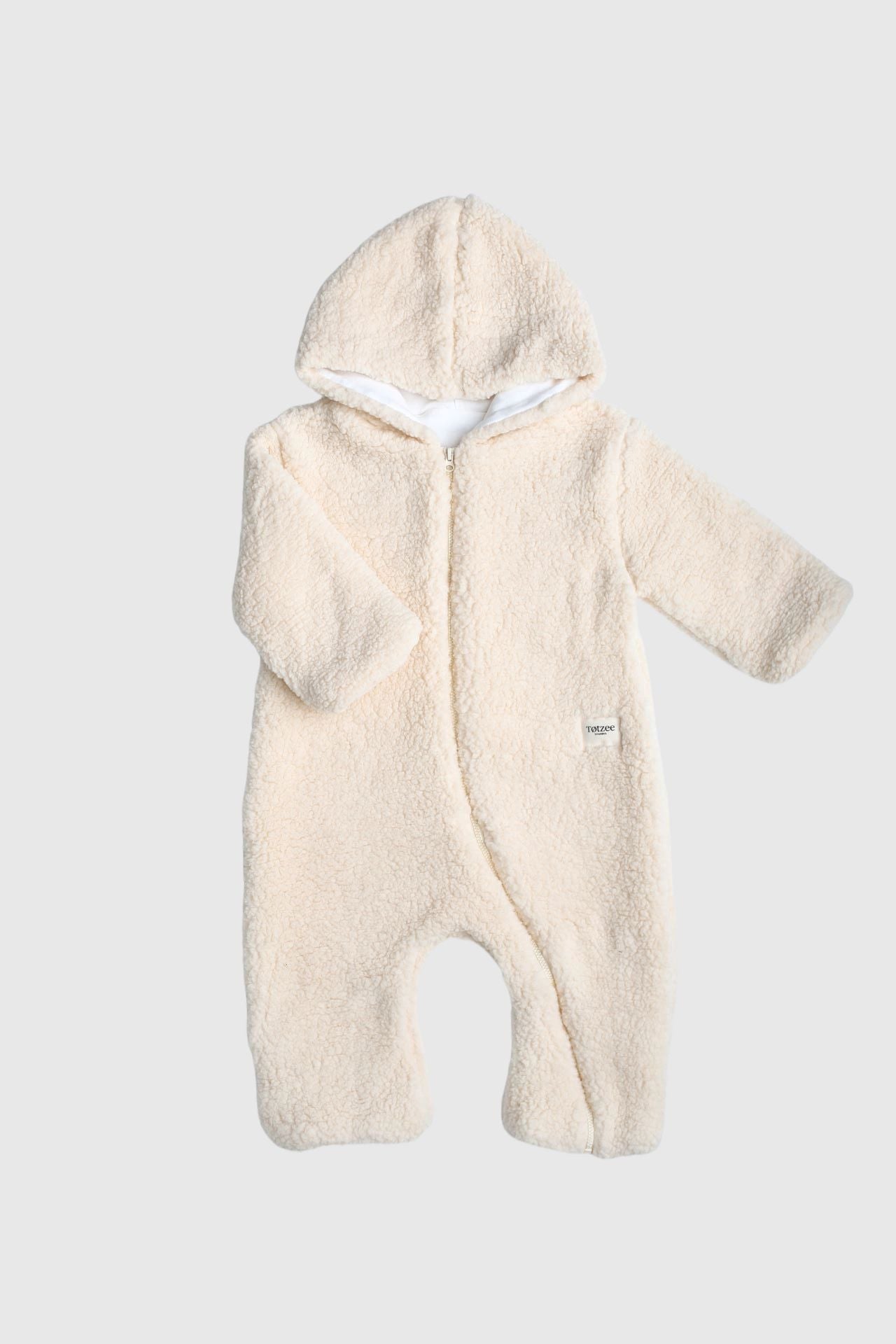
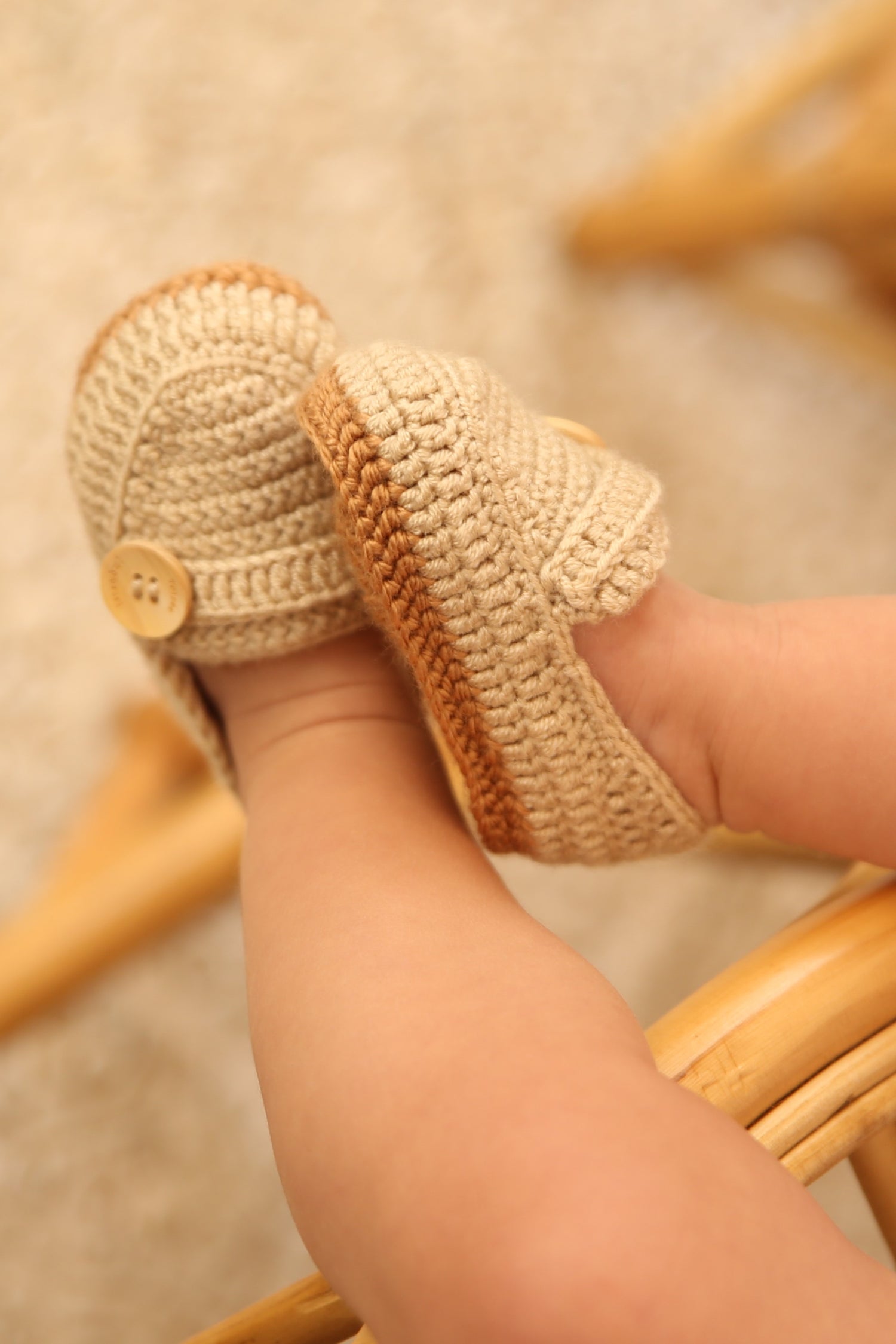
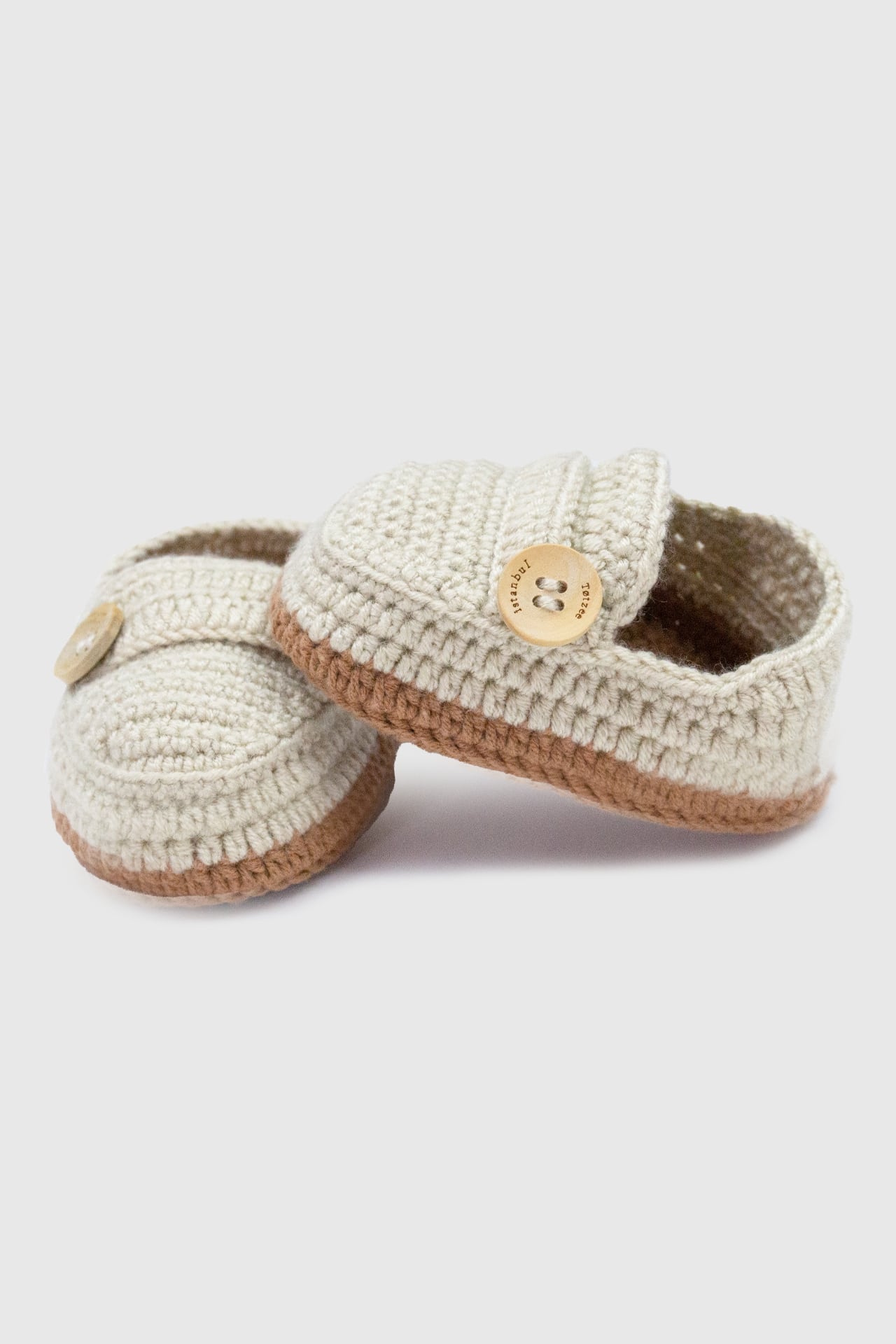
Protecting your baby's delicate skin and keeping them warm are top priorities during the winter months. Choosing the right winter baby clothes ensures that your baby stays comfortable and happy on cold days. If you're looking for both functional and stylish options, we've compiled the best alternatives for you in this article. From winter baby onesies to handmade booties, you’ll find all the suggestions here to keep your baby safe from the cold. Winter Baby Onesies: Warmth and Style Combined One of the best ways to protect your baby from head to toe during cold weather is by using winter baby onesies. Winter onesies offer full-body coverage, providing protection from wind and cold. Especially made from breathable, moisture-wicking fabrics, these onesies prevent irritation to your baby’s skin and keep them comfortable throughout the day. Winter onesies come in various styles and fabric options. Materials like scuba suede, which are soft and warm, make ideal choices for winter baby onesies. Additionally, onesies lined with soft terry cloth ensure that your baby’s sensitive skin stays safe. Offering both comfort and style, these onesies will keep your baby warm and secure all winter long. Totzee’s winter baby onesies, with their flexible designs, allow your baby to move comfortably during winter while looking cute and stylish. 0-3 Month Winter Baby Clothes: Special Tips for Newborns Newborns, especially during the winter, require extra care and attention. When choosing 0-3 month winter baby clothes, it’s important to select natural and breathable fabrics suitable for your baby’s delicate skin. Winter onesies designed for newborns meet this need, offering both comfort and protection. During this period, clothing items like onesies, pajamas, and bodysuits that are easy to put on and take off are ideal choices. These clothes protect your baby from the cold without restricting their movement, making them perfect for everyday use. 0-3 month baby clothes are typically made from cotton fabrics and often feature buttons or zippers for convenience. This allows you to quickly dress or undress your baby while always keeping their comfort a priority. Handmade Yarn Booties: A Warm and Stylish Touch Keeping your baby’s feet warm during winter is crucial. Handmade yarn booties not only meet this need but also add a cute touch to your baby’s outfit. Traditionally knitted by hand, these booties keep your baby’s feet warm without irritating their sensitive skin. The soft and natural yarn used in handmade booties offers both comfort and health benefits. Hand-knitted booties, in particular, are durable and can be used for a long time. Additionally, these booties come in special designs and colors, making them a perfect complement to winter baby clothes. Handmade booties are an excellent choice to keep your baby’s feet warm while adding a stylish flair. Check out Totzee’s adorable handmade booties by clicking here. Hand-Knitted Baby Clothes: A Blend of Style and Comfort In recent years, hand-knitted baby clothes have become a favorite among mothers and gift-givers alike. These clothes, made from natural materials suitable for a baby’s delicate skin, are often preferred. With their soft textures, hand-knitted baby clothes provide both warmth and freedom of movement for babies. During the winter months, you can keep your baby warm with hand-knitted sweaters, cardigans, and vests. Handcrafted items stand out with their personal touches and unique designs. These clothes not only complete your baby’s look for everyday wear but also add a special charm on special occasions. Models made with organic yarns are especially popular as they keep babies warm without harming their skin. Tips for Dressing Babies in Winter One of the most important things to keep in mind when dressing your baby during winter is to choose the right materials instead of layering too many clothes. Overly thick clothing can cause your baby to sweat, increasing the risk of catching a cold. Clothes made from breathable, soft, and natural fabrics will ensure that your baby stays comfortable throughout the day. Additionally, when going outside, make sure to cover your baby’s head and feet. Winter onesies, booties, and hats help protect babies from the cold. Hand-knitted products are an excellent alternative because they are made from natural materials and provide warmth. Dressing your baby in warm and stylish clothes is possible with the right clothing and accessories choices during the winter months. When selecting winter baby clothes, it’s important to consider both your baby’s comfort and health. Winter onesies, 0-3 month baby clothes, and handmade booties are some of the best ways to protect your baby during cold days. Hand-knitted clothes also offer stylish and warm alternatives. By maximizing your baby’s comfort and style during the winter months, you can take the best care of them.
Totzee Amigurumi Bebek

Blog

Amigurumi Dolls: Art and Pleasure Together

by Totzee Ailesi on Jul 28 2024
The Perfect Craft for Amigurumi Beginners If you’ve ever thought about taking up a new hobby, why not try making amigurumi dolls? Amigurumi, the Japanese art of knitting or crocheting small stuffed animals and dolls, is a delightful and satisfying craft. You don’t need to be a crochet expert to start. In fact, amigurumi is perfect for beginners. The patterns are simple, and the materials required are minimal. You’ll be amazed at how quickly you can create your first adorable character. When you start with amigurumi, you might feel a bit overwhelmed. There are so many cute designs to choose from! But don’t worry, the internet is full of resources tailored for amigurumi beginners. You can find easy-to-follow tutorials, step-by-step videos, and comprehensive guides. All you need is a crochet hook, some yarn, and a bit of patience. Before you know it, you’ll be hooking your way to creating the cutest little creatures. Amigurumi Animals: Crafting Your Own Mini Zoo One of the most charming aspects of amigurumi is the variety of animals you can create. Imagine having your own tiny zoo, all crafted by your own hands! From cuddly bears to quirky octopuses, the possibilities are endless. Amigurumi animals make great gifts for children and adults alike. They are soft, durable, and can be personalized to match the recipient's favorite animal. Creating amigurumi animals can be a fun and educational experience. As you work on different patterns, you’ll learn new stitches and techniques. This helps to keep the hobby exciting and your skills sharp. Plus, there’s a huge community of amigurumi enthusiasts online. You can join forums, participate in challenges, and share your creations on social media. It’s a wonderful way to connect with others who share your passion for crochet. Amigurumi for Babies: Soft, Safe, and Adorable Amigurumi dolls are particularly popular as gifts for babies. They are soft, squishy, and safe for little hands to hold. When making amigurumi for babies, you can use hypoallergenic and washable yarn to ensure the toys are safe and easy to clean. There’s something incredibly special about gifting a handmade toy to a newborn. It’s a gift that carries a piece of your love and care. The designs for amigurumi baby toys are endless. You can make classic teddy bears, cute little bunnies, or even personalized dolls. These toys can become cherished keepsakes, often lasting through the years as beloved companions. Additionally, making amigurumi for babies can be a heartfelt way to prepare for the arrival of your own child or a friend’s baby. It’s a project filled with anticipation and joy. Discovering Amigurumi Books: Your Guide to Endless Inspiration If you’re serious about diving into the world of amigurumi, investing in a few good amigurumi books is a fantastic idea. These books are packed with patterns, tips, and techniques from experienced crafters. They can offer you a wealth of inspiration and guidance, whether you’re a beginner or a seasoned pro. Plus, having a physical book to flip through can be a nice break from screen time. There are many excellent amigurumi books available, catering to all skill levels. Some books focus on a particular theme, like animals or fantasy creatures. Others provide a broad range of patterns, from simple to complex. With an amigurumi book in hand, you’ll never run out of ideas for your next project. It’s also a great way to support the artists who create these wonderful patterns. Final Thoughts: Dive into the Joy of Amigurumi Amigurumi is a delightful craft that offers endless possibilities for creativity. Whether you’re a beginner looking for a new hobby, a parent wanting to make unique toys for your baby, or an animal lover eager to crochet a menagerie of cute creatures, there’s something in amigurumi for you. The community is welcoming, the resources are plentiful, and the joy of creating something with your own hands is unparalleled. So grab your crochet hook and some yarn, and start your amigurumi journey today! For those who prefer ready-made options, Totzee offers high-quality amigurumi rattles, amigurumi doudou, and amigurumi dolls. These handcrafted items are perfect examples of the artistry and care that go into making amigurumi. Totzee's products are known for their durability, safety, and charming designs, making them ideal gifts for babies and children. Whether you're crafting your own or choosing a beautifully made Totzee item, amigurumi dolls bring a touch of handmade magic into any home.
Totzee Bebek Şarkıları

Blog

Baby Songs: Melodies That Touch Little Hearts

by Totzee Ailesi on Jun 22 2024
Lullabies: For Peaceful Nights Getting babies to sleep is an important process for both parents and babies. Lullabies are a great tool to ease this process. These songs, with their soft melodies and gentle lyrics, soothe babies and help them fall into a peaceful sleep. Babies relax more quickly with calming rhythms, reducing the time it takes to fall asleep. Especially for babies who wake up frequently at night, these songs can speed up the transition back to sleep. Educational Baby Songs: A Learning Journey Educational baby songs help children learn basic concepts like language, numbers, and colors at an early age. These songs, with their fun and memorable melodies, capture babies' attention and encourage them to learn. Another advantage of educational baby songs is that they help develop social skills. Simple movements and dance steps in the songs contribute to the development of babies' motor skills. Additionally, singing these songs together creates a strong bond between parents and babies, enhancing communication. Educational baby songs are an important tool supporting both mental and emotional development of babies. Baby Songs Listen: Anytime, Anywhere Nowadays, listening to baby songs is easier than ever. Thanks to the internet, parents can choose the most suitable songs for their babies and play them anytime, anywhere. Baby songs listen options include YouTube, Spotify, and various baby song apps. These platforms offer a wide range of songs, allowing babies to be introduced to songs that cater to different tastes. Another advantage of listening to baby songs is that it introduces babies to songs from different cultures. Songs in different languages support babies' language development and increase their cultural awareness. Especially for parents keen on learning a foreign language, this is a great opportunity. Additionally, listening to baby songs strengthens babies' bond with music and increases their interest in it. The universal language of music enriches babies' emotional worlds and makes them happy. 1 Year Old Baby Songs: First Steps and Melodies At one year old, babies start to move and explore their surroundings. During this period, 1-year-old baby songs help babies expend their energy and have fun. Rhythmic and lively songs encourage babies to dance and keep up with the rhythm. 1-year-old baby songs also make significant contributions to language development. These songs, with their simple and repetitive structures, expand babies' vocabulary and strengthen their language skills. Additionally, during this period, babies develop their social skills through songs and begin to understand the world around them better. 1-year-old baby songs are an important tool supporting babies' learning and exploration processes. 2 Year Old Baby Songs: Discovery and Learning At two years old, babies start to move more independently and interact more with their surroundings. 2-year-old baby songs nurture babies' sense of curiosity during this period and encourage them to learn new things. These songs, adorned with more complex melodies and lyrics, support babies' mental development and enhance their creative thinking skills. 2-year-old baby songs also contribute to emotional development. These songs help babies express their emotions and develop empathy. Additionally, singing and dancing together develop babies' social skills and teach them how to behave in a group. 2-year-old baby songs are an important tool supporting both individual and social development of babies. Baby songs play a significant role in the development of babies. Lullabies help babies get a peaceful sleep, while educational baby songs support learning processes. Listening to baby songs strengthens babies' bond with music and increases cultural awareness. Baby songs listen options include YouTube, Spotify, and various baby song apps, offering parents a wide range of music. 1-year-old baby songs and 2-year-old baby songs develop babies' motor, language, and social skills. These songs are a wonderful tool for ensuring that babies both have fun and learn.
Totzee Bebek Battaniyesi

Blog

Baby Blankets: Baby Blanket Models

by Totzee Ailesi on May 10 2024
Müslin Baby Blanket Babies' sensitive skin requires soft touches and delicate materials, which is why muslin baby blankets have gained significant popularity. Made from cotton, muslin fabric is lightweight and breathable, making it ideal for newborns and small babies. These blankets, made from long cotton fibers, become softer with each use and are thus among the most preferred items in continuous contact with your baby's skin. A muslin baby blanket keeps your baby warm while also preventing overheating, aiding in a comfortable sleep. They come in various colors and patterns, offering options to suit every taste and allowing you to decorate your baby's room according to your personal style. Totzee Muslin Baby Blankets present all the advantages of muslin fabric with a modern and functional design. These blankets are especially produced using eco-friendly production techniques and materials obtained from sustainable sources. Knit Baby Blankets Nothing surpasses the warmth and value of handmade items, particularly when it comes to knit blankets for babies. A blanket knitted by a grandmother not only provides warmth but also becomes a cherished keepsake for generations. Knit baby blankets can vary in thickness and softness depending on the type of yarn used. Yarns made from natural fibers like cotton, bamboo, or alpaca are suitable and comfortable choices for a baby's skin. With colorful yarns and various knitting patterns, each blanket becomes a unique piece of art. These blankets are ideal for use in a stroller, crib, or during a nap. Waffle Baby Blanket Waffle weave gets its name from its unique textured and porous structure, which adds extra softness and flexibility to the blanket. Waffle baby blankets are perfect for keeping babies warm on cold days as this type of weave traps air bubbles, providing natural insulation. Known for its lightness, the waffle blanket is also ideal for seasonal transitions; it's light enough to comfort your baby on cool summer evenings or spring mornings, yet warm enough to maintain proper warmth. Waffle baby blankets are generally made from natural fibers like cotton, which become softer with each wash and maintain their quality for many years. These blankets provide a healthy and comfortable sleeping environment for babies and are also favored for their modern and stylish looks. Totzee's waffle baby blankets stand out with their quality and simple design. Totzee aims to produce environmentally friendly using only high-quality organic cotton. These blankets incorporate all the benefits of waffle weave while being specially processed for extra softness and durability. These three different types of baby blankets, muslin, knit, and waffle, each offer unique features and advantages, providing comfortable and functional options for babies. The lightness and breathability of muslin blankets, the warmth and emotional value of knit blankets, and the soft texture and flexibility of waffle blankets offer suitable solutions for your baby's needs. Each type of blanket is thoughtfully designed and made from carefully selected materials to ensure your baby's comfort and safety. By choosing the most suitable blanket, you can provide a warm and comfortable start for your baby in their new world.
Totzee Butik Bebek Giyim

Blog

Boutique Baby Clothing: Where Simplicity Meets Elegance

by Totzee Ailesi on Mar 31 2024
Boutique baby clothing adds both comfort and aesthetic to our little ones' wardrobe. These special designs, crafted without excess, reflect babies' natural beauty and joy. Here are some ideas about clothing selected for different age groups. 0-3 Months Baby Clothing: Comfort for the First Days The first months of babies contain life's most peaceful and pure moments. 0-3 months baby clothing emphasizes comfort and simplicity during this special time. Minimalist onesies, practical jumpsuits, and soft blankets are the basic necessities of this period. Opting for pastel tones over vibrant colors creates a calm and peaceful atmosphere. Totzee stands by families with specially designed products to ensure the comfort of little ones in these early days. 1-2 Years Boy Baby Clothing: Suitable for Active Explorations Babies in this age group are eager to explore the world. 1-2 years boy baby clothing should be simple and comfortable to support this active period. Trousers made from flexible fabrics, easy-to-wear shirts, and cozy cardigans allow little ones freedom of movement. Designs during this period prioritize functionality, allowing toddlers to move freely. Elegant details reflect children's energetic spirits while avoiding excessive decorations. 0-6 Months Boy Baby Clothing: Soft Touches In the first six months of baby boys, the most important feature of clothing should be softness. 0-6 months boy baby clothing is made from soft-touch fabrics suitable for sensitive skin. Totzee's boutique collection is filled with clothes that provide the softness and comfort your baby needs during these initial months. Graceful patterns and simple colors are preferred design features during this period. 1 Year Boy Baby Clothing: Birthday Elegance Birthdays for one-year-old boys can turn into a big celebration. 1 year boy baby clothing should be both comfortable and stylish for this special day. Sets adorned with simple yet effective details offer ideal options for this important occasion. While allowing toddlers to play and explore freely, these clothes also offer a visual feast. 1 Year Girl Baby Clothing: Elegant Celebrations Clothing designed for one-year-old girls should reflect their joy and grace on special occasions. 1 year girl baby clothing showcases their elegance naturally with simple lace details and soft color palettes. These clothes not only make little princesses shine during celebrations and important moments but also allow them to be comfortable throughout the day. Boutique baby clothing is designed to embrace every period and special moment. These clothes prioritize the comfort and natural elegance of little ones without exaggeration. High-quality materials and textures suitable for baby skin are the indispensable features of these special designs. Parents can ensure both the comfort and elegant appearance of their babies with these carefully selected clothes.
Totzee Baby Breakfast Ideas

Blog

Healthy Start for Babies: Baby Breakfast Ideas

by Totzee Ailesi on Mar 10 2024
Breakfast becomes an important part of a baby's daily routine once solid foods are introduced. As your child grows, their nutritional needs and eating skills change, so breakfast ideas that suit a 6-month-old may not be suitable for a one-year-old. This guide brings together practical baby breakfast ideas for different stages of development, from starting solids to toddlerhood. You'll also find simple recipes, feeding tips and common mistakes to avoid when preparing breakfast for your little one. Every baby develops at their own pace. Before introducing new foods, always follow the advice of your paediatrician or healthcare professional. When Can Babies Start Having Breakfast? Breakfast is usually introduced once babies begin eating solid foods, which is commonly around six months of age. During the first six months, breast milk or infant formula provides all the nutrition most babies need. When starting solids, breakfast should be simple and introduced gradually. Offering one new food at a time makes it easier to observe how your baby responds and helps identify any potential food allergies or intolerances. What Should You Consider for Your Baby's First Breakfast? Introduce new foods one at a time. Avoid adding salt or sugar. Prepare foods in a texture that matches your baby's developmental stage. Remember that appetite varies from one baby to another. Allow your baby to explore food without pressure or force-feeding. Breakfast Ideas for 6-8 Month Old Babies At this stage, breakfast is about introducing new flavours and textures rather than serving large meals. Simple, nutritious ingredients are often the best place to start. 1. Yoghurt and Fruit Purée Plain yoghurt mixed with soft seasonal fruit makes a quick and gentle breakfast option. Mashed banana, pear or cooked apple are commonly used choices. 1-2 teaspoons of plain yoghurt Mashed banana or soft pear Add a little water or milk if a thinner consistency is needed 2. Mashed Avocado Ripe avocado has a naturally smooth texture and can be served on its own or mixed with a little plain yoghurt. Ripe avocado Plain yoghurt (optional) Mash until smooth before serving 3. Egg Yolk with Vegetables Eggs are a popular breakfast food once introduced safely. Serve well-cooked egg yolk with mashed vegetables such as potato or courgette, following your paediatrician's advice regarding allergenic foods. Well-cooked egg yolk Mashed potato or courgette No added salt Producer's Note from Totzee When designing products for babies during the weaning stage, we focus on three qualities: softness, absorbency and lightweight comfort. That's why many families choose a muslin baby bib during messy mealtimes. The breathable fabric helps keep little ones comfortable while exploring new foods. Breakfast Ideas for 8-12 Month Old Babies Between 8 and 12 months, babies often become more confident with different textures and flavours. Breakfast can gradually include a wider variety of nutritious foods while still being prepared in a safe, age-appropriate way. 1. Creamy Porridge with Fruit Porridge made with oats is a simple breakfast that can be combined with soft fruit for natural sweetness. 1 tablespoon of rolled oats Water or milk suitable for your baby's stage Mashed banana or pear 2. Soft Cheese Breakfast Plate Once dairy has been introduced successfully, small amounts of unsalted soft cheese can be served alongside well-cooked egg and soft bread. Unsalted soft cheese or cottage cheese Well-cooked egg Small pieces of soft wholemeal bread 3. Finger Food Breakfast If your baby is beginning to feed themselves, soft finger foods can encourage independence while helping develop hand-eye coordination. Families following Baby-Led Weaning (BLW) can adapt these ideas to suit their baby's stage. Steamed vegetable sticks Soft slices of ripe fruit Small pieces of wholemeal toast Breakfast Ideas for 1-2 Year Old Toddlers By their first birthday, many toddlers enjoy eating with the rest of the family. Breakfast can include a balanced combination of protein, healthy fats, fruit and whole grains, provided foods are prepared safely for their age. 1. Vegetable Omelette A soft omelette made with finely grated vegetables is an easy way to include extra nutrients at breakfast. 1 egg Finely grated courgette or spinach A small amount of unsalted soft cheese (optional) 2. Wholemeal Toast with Soft Cheese Wholemeal toast topped with soft cheese can be served with seasonal fruit for a balanced breakfast. Wholemeal toast Unsalted soft cheese Soft seasonal fruit 3. Yoghurt and Oat Bowl Plain yoghurt, softened oats and chopped fruit make a quick breakfast that can easily be adapted using different seasonal ingredients. Plain yoghurt Softened oats Fresh seasonal fruit Sample Weekly Baby Breakfast Plan The following menu is intended as general inspiration. Every baby's nutritional needs are different, so adjust meals according to your child's age, development and your paediatrician's advice. Day Breakfast Idea Monday Plain yoghurt with mashed banana and oats Tuesday Well-cooked egg with mashed avocado Wednesday Soft cheese with wholemeal toast Thursday Plain yoghurt with pear purée Friday Vegetable omelette with seasonal fruit Saturday Creamy oat porridge with banana Sunday Avocado with yoghurt and soft fruit Producer's Note from Totzee Mealtimes often involve more than just food. A muslin burp cloth can be useful for gently wiping little hands and faces after meals. We choose muslin because it is lightweight, soft against delicate skin and highly absorbent for everyday use. Common Mistakes When Preparing Baby Breakfast Even nutritious foods may not provide the best feeding experience if they are introduced in the wrong way or at the wrong stage. Avoiding these common mistakes can help make breakfast both enjoyable and appropriate for your baby's development. Introducing several new foods at the same time, making it difficult to identify possible allergies or sensitivities. Adding salt, sugar or honey to meals prepared for babies. Offering foods with textures that are not suitable for your baby's age or chewing ability. Encouraging your baby to finish every meal instead of following their natural hunger and fullness cues. Serving the same foods every day instead of providing a variety of nutrients. Frequently Asked Questions What is a good first breakfast for a 6-month-old? Simple foods such as plain yoghurt, mashed avocado or soft fruit purée are common choices when babies begin eating solid foods. Introduce one new food at a time and follow your paediatrician's guidance. Can babies eat eggs for breakfast? Eggs are a nutritious breakfast option once they have been introduced appropriately. They should always be thoroughly cooked and offered according to your healthcare professional's recommendations. Should I add sugar to baby breakfast recipes? No. Babies do not need added sugar. Fresh fruit provides natural sweetness while helping babies become familiar with different flavours. Can my baby have honey? Honey should not be given to babies under 12 months of age because of the risk of infant botulism. What should my one-year-old eat for breakfast? A balanced breakfast may include eggs, plain yoghurt, soft cheese, wholemeal toast, oats and seasonal fruit. Meals should always be prepared in a way that is safe for your child's age and eating abilities. How much breakfast should a baby eat? There is no single portion size that suits every baby. Appetite varies from child to child and may also change from day to day. Focus on offering a variety of nutritious foods rather than encouraging your baby to finish everything on the plate. Final Thoughts Healthy breakfast habits begin with simple, age-appropriate meals and a gradual introduction to new foods. Rather than aiming for perfect recipes, focus on offering a variety of nutritious ingredients, allowing your baby to explore different flavours and textures at their own pace. As your little one grows, breakfast will naturally become more varied. Preparing meals with fresh ingredients, following safe feeding practices and seeking advice from your paediatrician when needed can help build positive eating habits that last well beyond the first years.
Totzee Emzik Modelleri

Blog

Pacifier Models: Variety and Elegance for Baby Comfort

by Totzee Ailesi on Mar 03 2024
In baby care, pacifiers are undoubtedly one of the most preferred products by parents. Pacifiers not only soothe babies but also contribute to their oral development. However, when choosing a pacifier, parents face various models and features. Since every baby is different, finding the most suitable pacifier for their needs can sometimes be challenging. In this article, we will explore a range of pacifier models, from newborn pacifiers to pacifier chain models, and from pacifier clips to amigurumi pacifier chains, examining their effects on babies' development. Newborn Pacifier: Essential for the Early Days The newborn period is filled with new discoveries for both babies and parents. During this time, one of the most effective ways to soothe and comfort your baby is through newborn pacifiers. Newborn pacifiers satisfy babies' natural sucking reflex while also providing comfort. However, since every baby is different, while some may readily accept newborn pacifiers, finding the right model and size for others may take some time. Pacifier Chain Models: Functionality and Elegance Together Pacifier chains, designed to prevent pacifiers from getting lost or falling to the ground, ease parents' lives with their functionality. Available in various colors, patterns, and materials, you can easily find a model that matches your baby's outfits. Pacifier chains are also important for safety, as they prevent pacifiers from falling and getting dirty, thus helping to protect babies' health. Check out Totzee's stylish and suitable pacifier clips for your baby. Pacifier Clip: A Safe and Practical Solution Similar to pacifier chains, pacifier clips are designed to prevent pacifiers from getting lost. They can usually be easily attached to clothes and securely hold the pacifier. The designs of pacifier clips are also varied; some are simple and functional, while others are colorful and patterned. When choosing a pacifier clip, it's important to pay special attention to safety and material quality. Amigurumi Pacifier Chain: The Warm Touch of Handmade Amigurumi pacifier chains, which have gained popularity in recent years, stand out with their handmade nature. These types of pacifier chains are usually knitted with organic yarns and are completely safe for babies. Amigurumi pacifier chains, with various animal figures and colorful designs, capture babies' interest while also contributing to their sensory development. Amigurumi pacifier chains have become an indispensable part of baby care bags as both an aesthetic and functional accessory. 0-6 Months Pacifier: Specially Designed for the First Months The first 6 months are especially important for babies, particularly in terms of oral development. Pacifiers used during this period should be designed according to babies' mouth structures and developmental needs. 0-6 month pacifiers are usually smaller and lighter, specially produced for babies to easily grasp and hold in their mouths. These pacifiers are also made from soft and flexible materials to avoid harming babies' gums. 6-18 Months Pacifier: The Ideal Choice for Growing Babies After babies reach 6 months, they enter a rapid development phase, both physically and emotionally. During this period, babies' pacifier needs change. Pacifiers designed for 6-18 months should be larger and more durable, suitable for babies' growing mouth structures and increased sucking power. These pacifiers are designed to support babies' dental development and help them feel secure. Each pacifier model and accessory is specially designed according to babies' developmental stages and parents' needs. When choosing the most suitable pacifier and accessories for babies, it's important to prioritize safety, material quality, and comfort. These products contribute to babies' physical and emotional development while also providing practical and stylish solutions for parents. Totzee aims to offer high-quality and reliable products, prioritizing the needs of parents and babies. In this context, we are pleased to mention that Totzee includes BIBS brand's colorful and functional pacifiers in its range. BIBS pacifiers, preferred by parents due to their natural rubber material and design suitable for babies' mouth structure, stand out as a stylish accessory that appeals to parents' aesthetic tastes while ensuring babies' comfort and safety. Totzee aims to make baby care safer and more enjoyable with BIBS brand pacifiers.
Totzee Amigurimi Uyku Arkadaşları

Blog

Tiny Hearts' Warm Companion: Amigurumi Sleep Buddies

by Totzee Ailesi on Feb 18 2024
Sleep time becomes one of the most magical moments for little ones, largely thanks to the loving sleep buddies by their side. Amigurumi, a Japanese-originated craft, brings to life adorable toys through knitting or crocheting, enriching this magical process. In this context, designs such as "Doodoo sleep buddy or dodo sleep buddy," which have made their way into Turkish, are perfect options to ensure babies feel safe and peaceful throughout the night. These special toys are not only sleep companions but also precious friends who foster children's imagination and accompany them. For more information on Amigurumi, check out our article titled 'Step into the Magical World Knitted with Amigurumi Yarn: Enjoy the Cuteness and Colorfulness!' The Heart of Amigurumi Toys: Quality Yarn and Creativity The essence of amigurumi toys lies in the quality of the yarn used. Amigurumi yarns, made from materials like cotton or acrylic, stand out with their softness and skin-friendly properties. Available in various colors and thicknesses, these yarns give each amigurumi toy a unique character and texture. Using high-quality amigurumi yarn ensures the toys' longevity and is ideal for little ones' health. Art Touching Baby Sleep and Psychology Baby sleep is indispensable for their healthy development, and quality sleep contributes to babies being happy and balanced throughout the day. Soft and cute toys like amigurumi sleep buddies can help babies feel secure and ease into a comfortable sleep. These toys can be babies' first friends, providing comfort and reducing feelings of loneliness. The positive effects of these toys on baby psychology offer emotional security and help in forming social bonds. For sleep buddies that ensure comfortable sleep for babies, you can check out Totzee's sleep buddies. Warm Little Friends Amigurumi sleep buddies are more than just toys in the world of little ones; they are valuable friends that contribute to their emotional and social development. Carefully crafted with quality materials, these special toys make babies' and young children's sleep more peaceful and comfortable, serving as warm companions. Each amigurumi sleep buddy, a loving piece of art, becomes a source of security and joy beside the children, making the craft of amigurumi not just a hobby but a significant contribution to the lives of little hearts.
Totzee Ay Ay Bebek Gelişimi: 24 Aylık Bebek Gelişimi

Blog

Monthly Baby Development: 24-Month-Old Baby Development

by Totzee Ailesi on Jan 06 2024
24-Month-Old Baby Sleep The significance of sleep in the growth and development process of babies is undeniable. Particularly in 24-month-old babies, the routine of sleep plays a critical role in both physical and mental development. At this age, it's advised for a child to sleep approximately 12-14 hours a day. Nighttime sleep helps them process information gathered throughout the day and acquire new skills. Moreover, regular sleep is an important factor in maintaining their emotional balance and overall health. 24-Month-Old Baby Teething Typically, a two-year-old child has about 16 to 20 teeth in their mouth. This period marks the foundation of dental care, and parents should pay close attention to their child's oral health. Brushing teeth after meals and regular dental check-ups are the cornerstones of healthy dental development. Additionally, some children may still be teething at this age, so gum pain and discomfort are common issues. For more information, check out our article titled "Your Baby's First Teeth: A Guide to Baby Teething". 24-Month-Old Baby Weight At two years old, children's weight can be quite variable. Generally, a 24-month-old boy weighs around 12-14.5 kg, while a girl might weigh 11.5-14 kg. These weights are considered normal within a healthy growth curve. Nutrition is a critical factor in maintaining healthy weights for children at this stage. A balanced and varied diet is important for both physical and mental development. 24-Month-Old Baby Care At this age, baby care should be adapted to help the child gain independence. Encouraging them to eat on their own, dress themselves, and learn basic hygiene skills is important. Parents should spend quality time with their children during this period, playing with them and exposing them to new experiences to support their social and emotional development. Additionally, adhering to routine health checks and vaccination schedules is an integral part of baby care. 24-Month-Old Baby Physical Development A 24-month-old baby is usually quite skilled at walking, running, and climbing stairs. Their physical development continues rapidly at this age. Playing games, going to the park, and engaging in other physical activities are excellent for developing their motor skills and coordination. During this period, children should be encouraged to spend ample time in physical activities and learn new movement skills. 24-Month-Old Baby Clothes Choosing clothes for 24-month-old babies is important in terms of comfort and functionality. As babies become active at this age, clothes that do not restrict their movement, are comfortable and safe should be chosen. Also, easily wearable and removable clothes help children develop their own dressing skills. Season-appropriate, breathable fabrics should be chosen, and materials that protect the child's skin health should be selected. For clothing choices that will ensure your baby's comfort and change their style, check out our article titled "Boutique Baby Clothing: Where Style and Comfort Meet". 24-Month-Old Baby Feeding Schedule A 24-month-old baby typically should have three main meals and several snacks a day. Nutrition is very important for this age group, as children grow and develop rapidly. A diet containing balanced and nutritious foods is critically important for their healthy growth. Fruits, vegetables, whole grains, and protein sources are important parts of their diet at this age. Additionally, sufficient water intake should not be forgotten.
Totzee Ay Ay Bebek Gelişimi: 23 Aylık Bebek Gelişimi

Blog

Monthly Baby Development: 23-Month-Old Baby Development

by Totzee Ailesi on Jan 05 2024
23-Month-Old Baby Sleep Sleep plays a vital role in a baby's development. At 23 months, babies usually nap during the day and sleep longer at night. Typically, they sleep for 10-12 hours throughout the night. It's crucial for parents to maintain regular sleep routines and provide calming activities before bedtime. Reading stories or singing lullabies before sleep can help the baby relax and sleep better. If your baby has sleep issues, for more information, check out our article titled "Reasons Why Your Baby Can't Sleep". 23-Month-Old Baby Teething At this stage, most babies have several teeth, and some may be in the teething phase. Teething can sometimes manifest as restlessness, crying, and loss of appetite. Parents can ease this process by massaging the baby's gums or providing cold teethers. Additionally, dental care becomes increasingly important during this period. Instilling the habit of brushing teeth in babies lays the foundation for future dental health. 23-Month-Old Baby Weight The ideal weight for a 23-month-old baby can vary based on many factors. Generally, girls weigh around 10-13 kg, and boys about 11-14 kg. Maintaining a balance with healthy nutrition and regular physical activity is essential. Parents can contribute to this balance by offering healthy foods suitable for the baby’s needs and involving them in daily activities. 23-Month-Old Baby Care Baby care at this age offers more interaction and learning opportunities. Parents should talk and play with the baby to develop their language and social skills. Daily care routines should include cleanliness and hygiene, as well as meeting the baby's emotional needs. Routine health checks and vaccinations also play a significant role in maintaining baby health. 23-Month-Old Baby Physical Development Babies show rapid physical development at this stage. Most babies who have started walking begin to develop more complex motor skills like running and climbing. This enhances their interaction with the world and helps them acquire new skills. Parents should support this development by providing a safe environment and offering various physical activities. 23-Month-Old Baby Clothes Baby clothes at this stage should be both functional and aesthetically pleasing. Clothes that support an active and exploratory lifestyle, providing comfort and freedom of movement, should be chosen. Selecting season-appropriate clothing also ensures that the baby stays comfortable and healthy. Cute and colorful designs highlight the baby's adorableness, while practicality and ease of dressing are also important. 23-Month-Old Baby Feeding At this age, babies typically have three main meals and several snacks a day. The frequency of feeding depends on the baby's appetite and activity level. Offering healthy snacks and a variety of foods ensures a balanced and adequate diet. Parents should observe the baby's cues and support their eating habits without forcing them. For more information, check out our article titled "Little Ones' Adventure-Filled Second Year: Month-by-Month Nutrition Guide".
Totzee Ay Ay Bebek Gelişimi: 22 Aylık Bebek Gelişimi

Blog

Monthly Baby Development: 22-Month-Old Baby Development

by Totzee Ailesi on Jan 01 2024
22-Month-Old Baby Sleep Sleep patterns are crucial for a baby's overall health, and a 22-month-old typically sleeps longer at night without interruption. At this age, most babies need about 11-14 hours of sleep daily. It's important to maintain regular sleep hours; that is, they should be put to bed and woken up at the same time every day. Parents can ensure better sleep for their baby by establishing a calming routine before bedtime. This routine can include gentle massages, soothing music, or story reading. If your baby has sleep issues, for more information, check out our article titled 'Reasons Why Your Baby Can't Sleep'. 22-Month-Old Baby Teething Teething might still be ongoing for a 22-month-old baby. During this period, babies may experience restlessness, loss of appetite, and sometimes mild fever. To ease the teething process, parents can use cold teething rings and mild pain relievers. If you notice any abnormalities in your baby's mouth and gums, it's beneficial to consult a pediatric dentist. Also, starting a regular tooth brushing habit at this age is important. 22-Month-Old Baby Weight At this age, babies typically weigh between 10-14 kg, but growth rates vary for each child. Parents should regularly monitor their baby's weight and encourage healthy eating habits. A balanced diet is crucial for both physical and mental development. Fruits, vegetables, whole grains, and protein sources are ideal food groups for babies at this stage. Avoiding sugary and processed foods is important for healthy weight management. 22-Month-Old Baby Care At this age, baby care should be both educational and fun. Daily routines make babies feel secure and comfortable. Routines like bathing, eating, and playtime help babies explore the world and learn new skills. Parents should be patient and understanding with their children, being sensitive to their emotional needs. Babies start gaining independence during this period, so providing a safe environment and allowing them to explore is important. 22-Month-Old Baby Physical Development A 22-month-old baby typically begins to run, climb, and jump. The development of these physical skills is important for motor skills and coordination. Parents should support their child's physical activities and provide a safe environment. Indoor and outdoor play areas offer excellent opportunities for children to develop these skills. Regular doctor check-ups are also necessary to monitor healthy physical development. 22-Month-Old Baby Clothes Baby clothing is important not just for appearance but also for the comfort and health of the baby. Clothes for a 22-month-old should be season-appropriate, comfortable, and allow freedom of movement. Easy-to-wear and removable clothing also contributes to the development of independence skills. Quality, breathable fabrics should be chosen to protect the baby's sensitive skin. For selecting clothes that ensure your baby's comfort and change their style, check out our article titled 'Boutique Baby Clothing: Where Style and Comfort Meet'. 22-Month-Old Baby Feeding Schedule At this age, babies typically eat 3 main meals and 1-2 snacks a day. Feeding intervals vary according to babies' needs and routines. It's important to provide a balanced and diverse diet. Meal times are also a crucial opportunity for the development of social skills and independent eating habits. Parents can make meals a fun and interactive experience, supporting positive attitudes towards eating. In this way, parents need to be conscious and sensitive to support the development of 22-month-old babies and ensure their healthy and happy growth. Every baby is unique and develops at their own pace, so it's important for parents to be patient and flexible.
Totzee Ay Ay Bebek Gelişimi: 21 Aylık Bebek Gelişimi

Blog

Monthly Baby Development: 21-Month-Old Baby Development

by Totzee Ailesi on Dec 31 2023
21-Month-Old Baby Sleep Sleep is crucial for the healthy development of babies, especially at 21 months old. During this period, children typically sleep between 11-14 hours a day, including nighttime sleep and daytime naps. Establishing a regular sleep routine during these months makes life easier for both the baby and the parents. Parents can support this process by creating a routine sleep schedule and engaging in relaxing activities before bedtime. The key is regular sleep hours and ensuring the baby has a comfortable sleeping environment. 21-Month-Old Baby Teething At this age, most babies have between 12 to 16 teeth. The eruption of molars can cause slight discomfort and restlessness in babies. Parents can alleviate their baby's gum discomfort with cold teething rings or soft, cold foods. Dental care becomes important during this period; instilling a regular toothbrushing habit helps maintain the baby’s oral health. Additionally, babies may experience a temporary decrease in appetite during teething. 21-Month-Old Baby Weight A baby's weight is an indicator of their overall health. 21-month-old babies typically weigh between 9.5 to 14 kilograms. Their weight at this stage can vary depending on their diet and physical activity. Healthy eating habits and regular physical activity help babies gain weight healthily. Parents can support this process by maintaining a balanced diet for their children and encouraging them to engage in active play. 21-Month-Old Baby Care At this age, baby care involves meeting both the physical and emotional needs of your child. Children start gaining independence during this stage, which is evident in their ways of expression. Parents should provide love and attention to support their child’s emotional development and create a safe environment for exploration. Routine health check-ups and vaccinations are also important during this period to support your child’s healthy development. 21-Month-Old Baby Physical Development 21-month-old babies are in a rapid phase of physical development. Most babies start running, learn to climb stairs, and can play with a ball at this age. The development of motor skills is a significant milestone at this stage. Parents should offer various physical activities to support their child’s physical development and provide a safe play area. Toys like puzzles, blocks, and coloring books are also beneficial for developing fine motor skills. 21-Month-Old Baby Clothes As babies grow quickly at this age, choosing comfortable and practical clothes is essential. Clothes should be easy to put on and take off, accommodating the baby’s increasing mobility and quest for independence. Season-appropriate clothing selection is also crucial; for example, lightweight and breathable fabrics like muslin are preferable in summer, while warm clothing is important in winter. This fabric choice also offers a stylish and timeless look in baby fashion, making them suitable for all kinds of events. Totzee's muslin baby clothes are an excellent choice in terms of comfort and style. These garments designed for babies stand out with their soft texture and skin-friendly material, while their simplicity and various color options keep your baby stylish and comfortable. To browse the Totzee collection, click the link. 21-Month-Old Baby Feeding Schedule At this age, most babies consume 3 main meals and 1-2 snacks a day. Each child is different, and their needs can vary; hence, feeding schedules should be individualized. Healthy snacks and balanced meals are important to meet the baby’s energy needs and support healthy development. Parents should pay attention to their child’s appetite and reactions to adjust their feeding schedules accordingly. For more information, check out our article titled 'Little Ones' Adventure-Filled Second Year: Month-by-Month Nutrition Guide".
Totzee Ay Ay Bebek Gelişimi 20 Aylık Bebek Gelişimi

Blog

Monthly Baby Development: 20-Month-Old Baby Development

by Totzee Ailesi on Dec 30 2023
20-Month-Old Baby Sleep At 20 months, your baby's sleep pattern is crucial for healthy development. Typically, babies sleep for about 11-12 hours at night and need 1-2 hours of naps during the day. If your baby struggles to fall asleep, establishing a soothing bedtime routine can be greatly beneficial. Creating a peaceful sleeping environment and maintaining regular sleep hours will help improve the quality of your baby's sleep. For more information on sleep issues, check out our article "Reasons Why Your Baby Can't Sleep". 20-Month-Old Baby Teething At this stage, your 20-month-old baby's oral health becomes increasingly important as teething accelerates. Symptoms like restlessness, loss of appetite, and slight fever can occur. Massaging your baby's gums or offering cold teethers can make this process more comfortable. Also, starting regular tooth brushing habits during this period is vital for your baby's dental health. 20-Month-Old Baby Weight The weight of a 20-month-old baby varies, depending on diet and genetics. Generally, babies in this age group weigh around 10-12 kilograms. Remember, each baby grows and develops at a different rate. Regularly monitoring your baby's weight and encouraging healthy eating habits are essential for their healthy growth. 20-Month-Old Baby Care Baby care at 20 months requires diligence, as babies become more explorative and independent. Increasing home safety measures and minimizing injury risks are important. Regular health check-ups and adherence to the vaccination schedule play a critical role in healthy growth. Daily routines, diet, and sleep patterns are fundamental aspects of care at this stage. 20-Month-Old Baby Physical Development At 20 months, babies show rapid physical development. Most have mastered walking, started running, and climbing stairs. Fine motor skills also continue to improve, allowing them to draw simple shapes and grasp small objects. Encouraging physical activities will support this development, with outdoor playtimes being ideal for them to expend energy and enhance motor skills. 20-Month-Old Baby Clothes When selecting clothes for 20-month-old babies, comfort and functionality should be prioritized. Clothes made of flexible, soft fabrics are ideal for these quickly growing and constantly moving toddlers. Season-appropriate attire ensures your baby's comfort. Designs that facilitate easy dressing and undressing are particularly practical for this age group. Remember, comfort is as important as style at this stage! For clothing choices that ensure comfort and change your baby's style, check out our article "Boutique Baby Clothing: Where Style and Comfort Meet". 20-Month-Old Baby Feeding Schedule Typically, 20-month-old babies eat 3 main meals and 1-2 snacks daily. Meal times should be adjusted to the baby's needs and daily routine. At this age, babies start experiencing various healthy foods and develop their eating habits. Ensuring a balanced and varied diet is crucial for their healthy growth and development. Additionally, maintaining regular meal times will help establish a stable eating routine for your baby.
Totzee Ay Ay Bebek Gelişimi: 19 Aylık Bebek Gelişimi

Blog

Monthly Baby Development: 19-Month-Old Baby Development

by Totzee Ailesi on Dec 29 2023
19-Month-Old Baby Sleep One of the sweetest moments in a parent's life is watching a 19-month-old little angel sleep peacefully. At this age, babies generally need 12-14 hours of sleep per day. However, each child's sleep pattern varies; some may shorten their daytime naps, while others may extend their nighttime sleep. It's important for parents to observe their baby's sleep pattern and establish a routine that suits them. For a comfortable night's sleep, a soothing bath or gentle massage before bed can invite babies into deep sleep. If your baby has sleep problems, you can read our article titled "Reasons Why Babies Can't Sleep" for more information. 19-Month-Old Baby Teething At this age, babies usually have between 12-16 teeth. Teething can sometimes be painful and cause discomfort for the baby. Cold teethers, soft foods, and pain relievers as advised by a doctor can be used to soothe the baby's gums. Also, paying attention to oral and dental health during this period supports healthy tooth development. Parents can accustom their baby to dental care by gently cleaning their teeth with a soft brush. 19-Month-Old Baby Weight The ideal weight for a 19-month-old baby varies depending on genetics, eating habits, and physical activity level. On average, babies at this age can weigh between 10-12 kilos. However, each baby is unique and as long as their weight is within the normal growth curve, there is no need to worry. A healthy diet and regular physical activities help maintain a healthy weight for babies. 19-Month-Old Baby Care 19-month-old babies enjoy being cared for, which helps them develop self-confidence. At this age, parents can help their children develop personal care skills. Simple tasks, such as hand washing or tooth brushing, can be fun and educational for babies. Also, providing a safe play area and regular health checks contribute to the healthy and happy growth of babies. 19-Month-Old Baby Physical Development 19-month-old babies continue their rapid physical development. During this period, most babies start to run, climb stairs, and play with balls. Physical activities support muscle development and strengthen motor skills. Parents should encourage their babies to safely explore and play, always keeping them under supervision. Regular exercise and a balanced diet also support healthy physical development. 19-Month-Old Baby Clothes The style of clothing reflects a baby's personality and comfort. When choosing clothes for 19-month-old babies, garments that do not restrict movement, are comfortable, and easy to wear should be preferred. Choosing season-appropriate clothes ensures the baby's comfort and health. Also, at this age, babies start to show interest in their clothes, so considering their preferences gives them the freedom to make choices at a young age. Choosing quality clothes for your baby is important for their comfort and health. You can read our article titled "Why Choose Quality Baby Clothes?" for more information. 19-Month-Old Baby Feeding Schedule At this age, babies' diet generally includes three main meals and several snacks a day. However, every baby is different, and their nutritional needs can vary. It's important to provide a balanced and varied diet and pay attention to signs of hunger in the baby. Healthy snacks and nutritious meals help maintain energy levels throughout the day and support healthy growth. It's also important not to overlook the baby's water intake, as adequate hydration is critical for overall health.