Blog

Totzee Ay Ay Bebek Gelişimi: 18 Aylık Bebek Gelişimi

Blog

Monthly Baby Development: 18-Month-Old Baby Development

by Totzee Ailesi on Dec 28 2023
18-Month-Old Baby Sleep For a parent, the sleep of an 18-month-old baby is a crucial part of the daily routine. At this age, babies typically sleep 12-14 hours at night, and their daytime naps may be shorter. Establishing a sleep routine is critical for both the baby’s and parent's health. Parents can help their baby sleep better by keeping a regular sleep schedule and creating a calming pre-sleep routine. Also, ensuring the baby's sleep environment is quiet and comfortable will facilitate more peaceful sleep. If your baby has sleep problems, for more information, you can read our article titled "Reasons Why Babies Can't Sleep". 18-Month-Old Baby Teething 18-month-old babies are often in the middle of the teething process. During this period, babies' gums can be sensitive and swollen, which may cause discomfort. Parents can provide relief by massaging the baby’s gums or offering cold teething toys. Additionally, ensuring the baby gets enough calcium and Vitamin D during this period contributes to healthy teeth development. It's important to remember that babies' appetites may change during the teething process. 18-Month-Old Baby Weight A baby's weight is an important indicator of their healthy development. The average weight for 18-month-old babies is about 10-12 kg for girls and 11-13 kg for boys. However, each baby's growth rate is different, and weight can vary due to many factors. Parents should try to maintain their baby's weight in a healthy range through healthy eating habits and adequate physical activity. Sudden changes in the baby’s weight should be consulted with a health professional. 18-Month-Old Baby Care Baby care requires special attention at 18 months as at any age. At this age, babies start to gain independence and feel the need to explore. Providing a safe play area supports the baby's development while protecting them from potential accidents. Regular doctor check-ups and vaccination schedules also support the baby’s health. Parents should maintain the baby's cleanliness and hygiene to foster a healthy developmental environment. 18-Month-Old Baby Physical Development An 18-month-old baby shows rapid physical development. During this period, babies start to walk, can run, and even climb stairs. Physical activities are vital for supporting the baby’s motor skills and muscle development. Parents should allow the baby to move and acquire new skills in a safe environment. Additionally, children's playgroups and activity centers provide excellent environments for supporting social and physical development. 18-Month-Old Baby Clothes Choosing clothes for an 18-month-old baby is important in terms of both practicality and comfort. At this age, as babies are active and mobile, clothes that are comfortable and allow freedom of movement should be chosen. Cotton and breathable fabrics help the baby stay comfortable without irritating their skin. Also, seasonally appropriate clothing and designs that are easy to put on and take off provide great convenience for parents. For selections of clothes that will ensure your baby's comfort and change their style, you can check out our article titled "Boutique Baby Clothing: Where Style and Comfort Meet". 18-Month-Old Baby Feeding Schedule 18-month-old babies usually consume 3 main meals and 1-2 snacks a day. At this age, it's important for the baby to have a balanced and varied diet. Regular meal times help the baby develop healthy eating habits. Fruits, vegetables, whole grains, and protein sources provide the necessary nutrients for the baby's growth and development. Also, water consumption is important at this stage, and the baby should be encouraged to drink adequate amounts. Babies' appetites and nutritional needs can vary individually, so it's beneficial to consult a health professional in case of any concerns.
Totzee Ay Ay Bebek Gelişimi: 17 Aylık Bebek Gelişimi

Blog

Monthly Baby Development: 17-Month-Old Baby Development

by Totzee Ailesi on Dec 27 2023
17-Month-Old Baby Sleep Sleep plays a crucial role in a baby's physical and mental development, especially at 17 months. During this period, babies typically sleep around 12-14 hours a day, usually including uninterrupted sleep of 9-11 hours at night and a 2-3 hour nap during the day. Parents can help their babies sleep more comfortably throughout the night by establishing a regular sleep routine. This routine could include activities such as a peaceful bath, gentle massage, a calm lullaby, or story reading. Moreover, ensuring the baby's room is cool, dark, and quiet is important to facilitate the sleep process. If your baby has sleep issues, for more information, you can check our article titled "Reasons Why a Baby Can't Sleep". 17-Month-Old Baby Teething At this age, babies generally have 12-16 teeth. The teething process can sometimes be painful and uncomfortable. Symptoms of teething in babies include increased drooling, restlessness, loss of appetite, and mild fever. Parents can provide relief with teething rings or cold, wet cloths. Gently massaging the gums or offering cold foods can also help soothe the baby. During this process, it’s important to pay attention to the baby's oral health and regularly clean their teeth. 17-Month-Old Baby Weight The weight of 17-month-old babies generally varies depending on gender, genetic factors, and dietary habits. On average, babies at this age can weigh between 9-12 kilograms. A healthy weight is an indicator of the baby's overall health and good nutrition. Parents should monitor their baby's weight and discuss it with their doctors during regular health checks. A balanced and varied diet supports healthy weight gain in babies and contributes to their physical development. 17-Month-Old Baby Care 17-month-old babies show increased mobility and a desire for independence. Baby care at this age focuses on creating a safe environment, maintaining regular nutrition and sleep routines, and providing emotional support and encouragement. Parents should minimize hazards in the home and provide safe areas for exploration. Spending quality time with the baby to develop healthy eating habits and social skills is also important. During this period, being patient and understanding towards the baby will support their development of independence. 17-Month-Old Baby Physical Development During this period, babies grow rapidly and acquire new motor skills. 17-month-old babies, having started walking, discover more complex movements like running, climbing, and carrying objects. Physical development at this age enables babies to explore their environment more effectively. Parents should support their babies' physical activities and provide safe opportunities for exploration. Regular exercise and play promote physical development and lay the foundation for a healthy lifestyle. 17-Month-Old Baby Clothing Choosing clothes for 17-month-old babies is important in terms of comfort and functionality. At this age, as babies are active and mobile, they need flexible and comfortable clothing. Considering rapid growth periods, slightly larger clothes can be beneficial. Easy-to-wear and remove clothes offer practicality for parents and help babies explore their independence in dressing. Choosing season-appropriate clothing is also important to protect babies from weather conditions. For your baby's style and comfort, choose quality clothes. For more information, check out our article titled "Boutique Baby Clothing: Where Style and Comfort Meet". 17-Month-Old Baby Feeding Schedule The feeding schedule for 17-month-old babies usually includes 3 main meals and 1-2 snacks per day. Babies at this age can eat most family meals and start exploring various foods. However, feeding intervals can vary from baby to baby. Generally, babies should eat approximately every 3-4 hours and maintain their energy levels with snacks. Healthy snacks keep babies’ energy levels steady and support nutrient intake. Parents should regularly communicate with doctors to understand their babies' nutritional needs and develop healthy eating habits.
Totzee Ay Ay Bebek Gelişimi: 16 Aylık Bebek Gelişimi

Blog

Monthly Baby Development: 16-Month-Old Baby Development

by Totzee Ailesi on Dec 26 2023
16-Month-Old Baby Sleep Sleep is one of the most critical aspects of a baby's development, and this is especially true for a 16-month-old baby. At this age, children typically take two short naps during the day and sleep for 11-14 hours throughout the night. The quality of sleep ensures that your baby stays energetic and happy throughout the day. It's crucial to establish sleep routines and organize calming pre-sleep activities during this period. A quiet and dark room helps your baby fall asleep faster. Moreover, keeping sleep hours regular aids in regulating your baby's biological clock. For more information, check out our article titled "Sleep Training for Babies". 16-Month-Old Baby Teething The teething process continues in 16-month-old babies. At this stage, babies usually have 8 to 10 teeth. Teething can sometimes be painful and cause fussiness in babies. Cold teethers, soft foods, and pain relievers recommended by doctors can alleviate this pain. Also, it's important to instill a regular tooth brushing habit for dental health during this period. 16-Month-Old Baby Weight A baby's weight is a significant indicator of healthy development. 16-month-old babies typically weigh between 10 to 12 kilos, but this can vary based on each baby's growth rate and genetic makeup. A balanced and nutritious diet is essential to maintain a healthy weight for babies. Fruits, vegetables, whole grains, and protein-rich foods help maintain your baby's healthy weight. If you have concerns about weight, consulting a pediatrician is best. 16-Month-Old Baby Care 16-month-old babies require special care due to their rapidly developing motor skills and increasing desire for independence. At this age, providing a safe exploration space significantly contributes to your baby's development. Protecting dangerous items and sharp corners at home is crucial for your baby's safety. Regular doctor visits and a vaccination schedule support your baby's healthy growth. Social interaction and play are also important for your baby's cognitive and social development during this period. 16-Month-Old Baby Physical Development Physical development at this age enables babies to acquire new skills and explore the world. 16-month-old babies usually start walking, can stand holding onto objects, and may even run. Having ample physical activity and playtime is important to support these developmental stages. A safe play area and appropriate toys help develop your baby's motor skills and coordination. Check out our amigurumi toys for natural baby toys. 16-Month-Old Baby Clothes Your baby's clothes are important in terms of comfort and functionality. Clothes that are comfortable, easy to move in, and easy to take off are ideal for 16-month-old babies. Layered clothing is a good option to adapt to changing weather conditions. Moreover, choosing soft and breathable fabrics like cotton is important to protect your baby's skin. Colorful and fun patterns make your baby's clothes more attractive. 16-Month-Old Baby Feeding A 16-month-old baby typically should have three main meals and several snacks a day. This is important to meet the energy needs and support healthy growth of babies. At this age, babies start to experience various foods, so providing a diverse diet is important. Fruits, vegetables, whole grains, and protein sources are fundamental elements of a balanced diet. Adjusting meal times according to your baby's appetite and activity level lays the foundation for healthy eating habits.
Totzee Ay Ay Bebek Gelişimi: 15 Aylık Bebek Gelişimi

Blog

Monthly Baby Development: 15-Month-Old Baby Development

by Totzee Ailesi on Dec 25 2023
15-Month-Old Baby Sleep At this age, sleep patterns are crucial for a growing baby, especially at 15 months. Your child's sleep routine becomes more predictable now. Typically, they nap twice a day and sleep about 11-14 hours at night. Remember, each baby is different, and some may be content with less sleep. Frequent night awakenings can be a normal developmental phase. Be patient and maintain a sleep routine. Calming activities before bed, regular sleep times, and a comfortable sleeping environment can help your baby sleep better. 15-Month-Old Baby Teeth At this stage, most babies begin teething. This process can be painful and cause discomfort. Symptoms include drooling, biting, putting everything in the mouth, mild fever, and lack of appetite. Offer your baby soft teethers and cold foods to alleviate pain. Remember, each baby teethes at different times, so avoid comparisons. For more information, check out our article "Your Baby's First Teeth: A Guide to Baby Teething". 15-Month-Old Baby Weight A baby's weight is an important indicator of health and development. A 15-month-old typically weighs between 9-11 kilograms. However, these numbers are not standard, and each child's growth rate varies. Monitoring your baby's weight is important, but healthy eating and regular doctor visits are more crucial. A balanced diet, adequate physical activity, and healthy snacks will help maintain your baby's ideal weight. 15-Month-Old Baby Care At this time, baby care should focus on development and learning. Your baby becomes more independent each day and starts exploring. Daily routines, cleanliness, and hygiene are important, but allow your baby to explore too. A safe play area, various toys, and interactive activities will support their physical and mental development. Also, regular health check-ups and adhering to the vaccination schedule are crucial for your baby's health. 15-Month-Old Baby Physical Development A 15-month-old baby typically starts walking, indicating rapid motor skills development. Expect your baby to walk, run, climb, and even try dancing. These activities are vital for their physical development. Provide a safe environment at home and offer various physical activities to support this development. Additionally, balanced nutrition and adequate sleep are the cornerstones of physical growth. 15-Month-Old Baby Clothes Clothing choices for a 15-month-old should be practical and comfortable. Active toddlers need flexible and comfy outfits. Layered clothing can be easily adjusted for weather conditions and ensures comfort. Clothes should be easy to put on and take off, especially important for toddlers starting toilet training. Colorful and fun designs will reflect your baby's personality and make dressing more enjoyable. For stylish and comfortable outfit choices for your baby, visit our article "Boutique Baby Clothing: Where Style and Comfort Meet". 15-Month-Old Baby Feeding A 15-month-old usually eats three main meals and several snacks a day. However, each baby is different, and some may want to eat more frequently, while others may be satisfied with less. The key is a balanced and varied diet. Foods rich in fruits, vegetables, whole grains, protein, and healthy fats will provide the necessary nutrients. Encourage water drinking and avoid sugary drinks. If you have concerns about your baby's appetite and eating habits, consult a health professional.
Totzee Ay Ay Bebek Gelişimi: 14 Aylık Bebek Gelişimi

Blog

Monthly Baby Development: 14-Month-Old Baby Development

by Totzee Ailesi on Dec 24 2023
14-Month-Old Baby Sleep Sleep is a fundamental cornerstone of a baby's growth and development. A 14-month-old baby typically takes two short naps during the day, though this can vary from baby to baby. Nighttime sleep becomes even more crucial at this stage. Generally, babies need about 11-14 hours of night sleep. Sleep rituals and regular sleep hours can help your baby fall asleep more comfortably. Environmental factors and teething can affect their sleep during this period, making a calm environment before bedtime essential. 14-Month-Old Baby Teething At this age, babies usually start teething. This process can sometimes be painful and uncomfortable. Babies may tend to put everything in their mouths during this period, which can be a sign of teething. Mild fever, loss of appetite, and restlessness can occur during teething. Cold teethers and soft foods can comfort your baby. If the pain is severe or the baby is very uncomfortable, consulting a health professional is important. For more information, check out our article "Your Baby's First Teeth: A Guide to Baby Teething". 14-Month-Old Baby Weight Weight for a 14-month-old baby can be an indicator of healthy development. At this age, a baby's weight depends on many factors, including genetics, eating habits, and physical activity levels. On average, a 14-month-old baby may weigh between 9 and 11 kilos. If your baby's weight is outside this range, don't worry; every baby has their own development timeline. Healthy eating and regular doctor check-ups ensure your baby grows healthily. 14-Month-Old Baby Care A 14-month-old baby is constantly exploring and learning. Providing a safe play area supports your baby's exploration needs while keeping them safe. Nutrition is a crucial part of babies' development at this stage; offering a varied and balanced diet is essential. Routine health checks and vaccinations are also a critical part of care at this stage. Provide plenty of love, attention, and stimulating interactions to meet your baby's emotional needs. 14-Month-Old Baby Physical Development A 14-month-old baby usually starts walking, marking a significant stage in physical development. During this period, your baby's motor skills develop rapidly. In addition to walking, skills like holding, throwing, and pulling objects also improve. At this age, large muscle development is prominent, and encouraging activities like walking and running is essential. However, each baby develops at their own pace, so comparing your baby's development to their unique timeline is crucial. 14-Month-Old Baby Clothes Choosing clothes for a 14-month-old baby is important in terms of practicality and comfort. At this age, as babies begin to move actively, flexible and easy-to-move-in clothes are ideal. Also, easy-to-wear and removable clothes provide great convenience for parents. Season-appropriate clothing keeps your baby warm while preventing overheating. Cute and colorful designs bring out your baby's cuteness. Quality clothing selection for your baby is essential for their comfort and health. For more information, read our article "Why Choose Quality Baby Clothes?" 14-Month-Old Baby Feeding Feeding a 14-month-old baby should be done at regular intervals throughout the day. At this age, usually three main meals and a few snacks are ideal. Depending on your baby's appetite and activity level, the frequency of feeding may vary. Healthy snacks and balanced meals meet your baby's energy needs and support their development. Also, water consumption becomes important at this stage; don't forget to give your baby enough water throughout the day. Consult a health professional for more information on your baby's feeding habits and needs.
Totzee Ay Ay Bebek Gelişimi: 13 Aylık Bebek Gelişimi

Blog

Monthly Baby Development: 13-Month-Old Baby Development

by Totzee Ailesi on Dec 23 2023
13-Month-Old Baby Sleep Sleep is a miracle of growth and development for every baby, and it's no different for 13-month-olds. At this age, babies typically need two short naps during the day and longer, uninterrupted sleep at night. It's important for parents to maintain consistent sleep routines during this period. Establishing a soothing routine for nighttime sleep can help the baby fall asleep faster and more comfortably. For example, a light massage, a calm lullaby, or a peaceful settling process are ideal for this age. Remember, regular and comfortable sleep is vital for your baby's healthy growth. For more information, check out our article titled "Reasons Why Your Baby Can't Sleep". 13-Month-Old Baby Teething Teething processes for 13-month-old babies can often be challenging. During this period, babies may experience restlessness, loss of appetite, and even mild fever. Itchy gums can discomfort your baby, and this can be alleviated with various teething toys or a cold teether. Parents should observe teething symptoms and consult their doctors if necessary. During teething, ensuring your baby gets enough fluids and gentle foods is important. Paying special attention to your baby's oral and dental health during this time will support healthy tooth development. For more information, check out our article titled "Your Baby's First Teeth: A Guide to Baby Teething". 13-Month-Old Baby Weight A baby's weight is an indicator of their overall health. 13-month-old babies are typically in a rapid growth phase, which can be observed in their weight. At this age, babies' weights can vary based on gender, genetics, and feeding habits. Parents should provide a balanced and nutritious diet to support healthy weight gain in the baby. Regularly monitoring your baby's weight and discussing it with your doctor during vaccinations and health check-ups is important. Remember, every baby is different and has its own growth rate. 13-Month-Old Baby Care 13-month-old babies are in a period where they begin to explore and acquire new skills. Therefore, baby care during this period should be arranged to support both safety and development. Allow your baby to explore in a safe environment. Take basic safety precautions and make your home safe for the baby. Also, social interaction and emotional development are important during this period. Spending quality time with your baby, talking, and playing will greatly contribute to the development of emotional and social skills. 13-Month-Old Baby Physical Development Physical development is a significant milestone for a 13-month-old baby. At this age, most babies start to walk or prepare to walk. Babies also begin to develop more complex motor skills, like grasping small objects and playing some simple games. Parents should provide a safe and encouraging environment to support the baby's physical development. Provide sufficient space for walking, climbing, and other physical activities, and encourage your baby. However, always consider safety and stay close to your baby. 13-Month-Old Baby Clothes Baby clothing is important both practically and aesthetically. When choosing clothes for a 13-month-old baby, comfort and freedom of movement should be a priority. Choose clothes that are easy to put on and take off, and allow the baby to move comfortably. Also, choosing season-appropriate clothing is important. Light and breathable fabrics are ideal for summer months, while warm but non-sweating clothes are perfect for winter. Remember, babies' skin is sensitive, so avoid harsh fabrics and irritating tags. 13-Month-Old Baby Feeding Frequency Nutrition is critical for the healthy growth of babies. 13-month-old babies typically eat three main meals and several snacks a day. However, every baby's needs are different, and feeding schedules should be adjusted accordingly. Pay attention to your baby's hunger signs and provide food when needed. At this age, offering a variety of healthy foods helps your baby maintain a balanced diet. Also, ensuring adequate fluid intake, including water, is important. If you have concerns about feeding, consulting a pediatrician or nutritionist can be beneficial.
Totzee Butik Bebek Kıyafetleri

Blog

Monthly Baby Development: 12-Month-Old Baby Development

by Totzee Ailesi on Dec 22 2023
12-Month-Old Baby Sleep At the end of the first year, babies transform into little explorers, making their sleep patterns at 12 months crucial. Typically, they sleep for 10-12 hours at night and take naps totaling 2-3 hours during the day. Parents should establish a consistent sleep time and create a soothing environment for their babies. Soft music or a gentle lullaby can calm your baby, ensuring a peaceful night's sleep. 12-Month-Old Baby Teething The teething process usually continues for one-year-old babies. At this stage, their first teeth often appear as lower and upper front teeth. Teething can cause discomfort and pain for some babies. To alleviate this, cooled teething rings or gentle massages can be beneficial. Parents should pay attention to their baby's oral health and start regular dental check-ups. 12-Month-Old Baby Weight A 12-month-old baby's weight is a significant indicator of their overall health and development. At this age, their weight typically ranges between 9 to 11 kilograms, though this can vary. A balanced and diverse diet is important for healthy weight gain. Babies can now eat more solid foods and participate in family meals. Parents should monitor their feeding routine to ensure a sufficient and balanced diet. 12-Month-Old Baby Care One-year-old babies are active and curious, requiring more attention and care in their daily routines. Regular bathing, skin care, and dressing become crucial. Safety is more important than ever; parents should increase home safety measures and keep a constant watch on their babies. Parents should be sensitive to their physical and emotional needs, providing plenty of love and attention. 12-Month-Old Baby Physical Development The physical development of 12-month-old babies is often rapid and impressive. At this age, they usually transition from crawling to walking. They continue to develop motor skills like grabbing, throwing, and pulling. Parents should provide a safe play area and encourage the development of new skills. Soft balls, blocks, and simple puzzles are excellent for enhancing motor skills and coordination. Check out our safe and developmental amigurumi toys for your baby. 12-Month-Old Baby Clothes Clothing for one-year-old babies is important for both practicality and style. Clothes for 12-month-olds should be comfortable and flexible, allowing freedom of movement. Cotton fabrics, soft textures that don't irritate the skin, and easy-to-open buttons or zippers are recommended. Baby fashion should reflect their energy with colorful and cheerful patterns while ensuring their comfort. 12-Month-Old Baby Feeding Frequency The feeding schedule for 12-month-old babies typically involves meals every 3-4 hours during the day. At this age, they start consuming a variety of solid foods, and breast milk or formula remains an important part of their diet. Parents should provide a balanced menu of fruits, vegetables, grains, and protein sources. Ensuring that babies drink enough water is also crucial. Their feeding routine should be carefully planned to support their healthy growth and development. For more information, visit our article The Magical First Year: A Month-by-Month Nutrition Guide for Your Little One!.
Totzee Butik Bebek Giyimi

Blog

Monthly Baby Development: 11-Month-Old Baby Development

by Totzee Ailesi on Dec 21 2023
11-Month-Old Baby Sleep For any parent, a baby's sleep is always a topic of curiosity, especially at 11 months. During this period, babies generally sleep longer at night, which gives parents a bit of a breather. However, at this stage, babies' sleep patterns may change, and they might wake up during the night. It's important to stay calm and soothe your baby in such situations. Establishing regular sleep times and a comforting bedtime routine can be beneficial for maintaining a baby's sleep schedule. 11-Month-Old Baby Teething Teething generally continues in an eleven-month-old baby. During this period, itching and discomfort in the baby's gums are common. Parents can offer teething toys to help ease their baby's discomfort. Additionally, slightly cold foods can also help soothe the gums. If your baby is extremely restless or shows signs of pain, consulting a health professional is a good idea. 11-Month-Old Baby Weight A baby's weight is an important indicator of their healthy development. The ideal weight for an eleven-month-old baby can vary depending on genetic factors, eating habits, and overall health condition. At this age, babies' weight can increase rapidly. It is important for parents to regularly monitor their baby's weight gain and maintain a balanced diet. For healthy weight gain, it's necessary to ensure a sufficient and balanced intake of various food groups. For more information, you can check out our article "Little Ones' Adventure-Filled Second Year: Month-by-Month Nutrition Guide" 11-Month-Old Baby Care An eleven-month-old baby presents new challenges for parents with their increased mobility and curiosity. During this period, daily care of the baby requires more attention and care. It's important to review safety measures in your home to ensure your baby's safety. Additionally, establishing a routine of regular baths, clean clothes, and a healthy diet plays a significant role in meeting your baby's needs. 11-Month-Old Baby Physical Development Eleven-month-old babies usually start to crawl, and some may try to walk. This is a critical period for their physical development. To support the development of muscles and motor skills, providing a safe play area and encouraging movement is important. Also, doctor check-ups and developmental monitoring are necessary to ensure your baby's healthy growth. 11-Month-Old Baby Clothing Clothing for eleven-month-old babies is important in terms of practicality and comfort. During this period, due to the rapid growth and increased mobility of babies, flexible and comfortable clothes should be preferred. Easy-to-wear and remove baby clothes provide convenience for parents. Additionally, choosing seasonally appropriate clothing is important for maintaining your baby's comfort and health. You can check out Totze's boutique baby clothes for your baby's comfort. 11-Month-Old Baby Feeding Frequency The feeding frequency for an eleven-month-old baby can vary from one baby to another. Typically, babies at this age consume three main meals and several snacks a day. The frequency and amount of feeding should be adjusted according to the growth and development needs of the baby. To promote healthy eating habits, offering a variety of balanced foods is important. If you have concerns about feeding, consulting a health professional is best.
Totzee Ay Ay Bebek Gelişimi: 10 Aylık Bebek Gelişimi

Blog

Monthly Baby Development: 10-Month-Old Baby Development

by Totzee Ailesi on Dec 20 2023
10-Month-Old Baby Sleep In their tenth month, babies tend to establish a more settled sleep pattern, although this can vary from one baby to another. During this period, they often start sleeping longer at night and gradually reduce daytime naps. It is crucial for parents to maintain a consistent sleep routine and create a comfortable sleeping environment to enhance the quality of their baby's sleep. This helps the baby to sleep more peacefully and uninterrupted throughout the night. For sleep issues, you can read our article titled "Reasons Why Your Baby Can't Sleep" 10-Month-Old Baby Teething The tenth month can be an intense period for teething in babies. During this time, a baby’s first teeth might start to emerge, which can sometimes cause discomfort, loss of appetite, or mild fever. Parents can alleviate their baby's discomfort by offering soothing teethers and gentle massages. Cold foods and drinks can also be effective in reducing gum soreness. 10-Month-Old Baby Weight By the tenth month, babies typically reach about three times their birth weight. Weight gain might slow down during these months as they become more active and start exploring. The most important thing for parents is to ensure that their babies maintain a healthy and balanced diet. Adequate nutrition is essential for healthy weight gain and development. 10-Month-Old Baby Care Baby care in the tenth month can become more challenging due to the increased mobility and curiosity of the baby. Babies will want to explore new things, making it important to provide a safe play area. Regular health check-ups and adhering to the vaccination schedule are crucial for healthy development. Parents should regularly review and adjust their baby's daily routines as needed. 10-Month-Old Baby Physical Development At this stage, babies usually start to crawl or improve their crawling skills. Some may begin to stand and even take their first steps. These developmental milestones are significant indicators of a baby’s motor skills and muscle development. Parents should encourage this development by providing a safe environment and encouraging new movements. 10-Month-Old Baby Clothes Choosing clothes for ten-month-old babies involves both comfort and functionality. As babies are quite active during this period, clothes made from flexible and soft fabrics that allow easy movement are ideal. Considering rapid growth, slightly loose and adjustable clothes are preferred. Parents should select season-appropriate clothing to keep their babies comfortable and healthy. You can check out Totzee's boutique baby clothes for soft and comfortable fabrics that won't irritate your baby's skin. 10-Month-Old Baby Feeding Frequency In the tenth month, baby feeding involves balancing the introduction of solid foods with breast milk or formula. Typically, babies at this age can have three main meals and several snacks throughout the day. Parents should ensure regular feeding times and provide a variety of foods from different food groups. Healthy eating habits are fundamental for a baby’s development. For transitioning from breast milk to other foods, read our article "How Do You Wean Your Baby?"
Totzee Ay Ay Bebek Gelişimi: 9 Aylık Bebek Gelişimi

Blog

Monthly Baby Development: 9-Month-Old Baby Development

by Totzee Ailesi on Dec 19 2023
9-Month-Old Baby Sleep When a baby arrives in the world, each new month is a journey of discovery for both the baby and their family. At nine months, babies generally establish a more regular sleeping pattern, but remember, every baby is different! At this stage, babies can sleep for about 14 hours a day, most of which occurs at night. Daytime naps tend to shorten and usually happen twice a day, in the morning and afternoon. Parents can set regular sleeping hours and establish sleep routines to improve their babies' sleep patterns. These routines help babies enjoy more peaceful and deep sleep. 9-Month-Old Baby Teething The teething process continues in a nine-month-old baby and can sometimes cause restlessness and pain. At this age, babies usually start getting their first teeth. Symptoms of teething include increased drooling, a desire to bite, and slight fever. Parents can use teething toys and cold cloths to make this process more comfortable for their babies. However, if your baby's fever rises significantly or other concerning symptoms appear, consult a healthcare professional. Check out Totzee's amigurumi rattles for your baby's comfort. 9-Month-Old Baby Weight A baby's weight is an important indicator of their health. At nine months, babies typically weigh about three times their birth weight. However, each baby grows and develops at different rates, so it's important to follow their growth curve during regular health check-ups instead of worrying. A healthy diet ensures proper weight gain for babies. This period marks the transition to solid foods, a significant change in their dietary patterns. 9-Month-Old Baby Care A nine-month-old baby can move more and interact more with their surroundings. Hence, baby care becomes more active during this period. Providing a safe play area supports babies' exploration and learning desires while protecting them from potential dangers. Paying attention to skin care and hygiene is also crucial for healthy development. Regular bathing and moisturizing the baby's skin help maintain skin health. 9-Month-Old Baby's Physical Development The ninth month is a significant period for a baby's physical development. At this stage, babies typically start to crawl, and some may try to stand or walk. The development of motor skills aids their exploration of the surroundings. Parents can support this development by providing a safe environment and encouraging their babies. The safety and suitability of toys are also important during this period, as babies tend to put everything in their mouths. 9-Month-Old Baby Clothes Choosing clothes for a nine-month-old baby is important for their comfort and freedom of movement. Loose and comfortable clothes do not restrict their movements and offer them a comfortable exploration space. Additionally, easy-to-wear and remove clothing provides practicality for parents. Selecting season-appropriate clothes and soft fabrics considering the baby's skin sensitivity is also important. Check out Totzee's boutique baby clothes for your child. 9 Month-Old Baby Feeding The feeding schedule of nine-month-old babies should meet their growth and development needs. At this age, babies generally have three main meals and several snacks a day. The transition to solid foods is a significant change in their diet, introducing a variety of nutrients. Breast milk or formula milk remains an important source of nutrition at this stage. As every baby has different needs, consider a healthcare professional's advice when planning their diet.
Totzee Ay Ay Bebek Gelişimi: 8 Aylık Bebek Gelişimi

Blog

Monthly Baby Development: 8-Month-Old Baby Development

by Totzee Ailesi on Dec 18 2023
8-Month-Old Baby Sleep The eighth month of a baby's life marks a critical period in terms of sleep quality and routine. This month, your baby may reduce daytime naps, but night sleeps can be longer and deeper. Establishing and maintaining sleep routines is important during this period. Create a calming bedtime ritual to help your baby settle down before sleep; this will aid in faster and easier sleep. Active play and exercises during the day can also improve night sleep. For more information, check out our article "Sleep Training for Babies." 8-Month-Old Baby Teething At eight months, many babies begin to teethe. This process can cause discomfort and pain for babies. To soothe your baby's gums, use cold teething rings or a clean, cold cloth. Also, pay attention to any rashes around the chin and neck due to increased drooling during teething. Gently massaging and showing extra care and love can comfort your baby during this process. 8-Month-Old Baby Weight The weight of eight-month-old babies varies depending on their diet and genetic factors. Typically, babies gain about 400-500 grams per month at this stage. To support healthy weight gain, provide a balanced diet. If you've transitioned to solid foods, include a variety of fruits, vegetables, grains, and protein sources. Consult a health professional if you have concerns about your baby's weight. 8-Month-Old Baby Care An eight-month-old baby is usually more active and curious. Ensuring a safe environment at home during this period is important. Protecting sharp corners, keeping small items out of reach, and using baby gates can enhance safety. Additionally, babies' social and emotional development accelerates this month. Talking, reading, and interactive play support this development. 8-Month-Old Baby Physical Development Eight-month-old babies typically try to sit, crawl, and even stand. Provide a safe area for your baby to move around freely to support these physical developments. Soft mats and supportive toys help them explore these new abilities. Regular physical development check-ups under a doctor's supervision can help identify any potential issues early. Check out amigurumi toys that contribute to your baby's development. 8-Month-Old Baby Clothing Choosing clothes for an eight-month-old baby is important for both comfort and functionality. Since babies are very active at this stage, comfortable and flexible clothes are ideal. Adjustable or slightly larger sizes can accommodate rapid growth. Choosing season-appropriate clothes ensures your baby stays comfortable and healthy. 8-Month-Old Baby Feeding Eight-month-old babies typically have 3-4 main meals and 2-3 snacks per day. Their feeding schedules may vary based on individual needs. Variety and balanced nutrition are important for babies who have transitioned to solid foods. Offering both liquids (breast milk or formula) and solids at each feeding effectively meets nutritional needs. Paying attention to your baby's hunger and fullness cues supports their natural appetite rhythm.
Totzee Ay Ay Bebek Gelişimi: 7 Aylık Bebek Gelişimi

Blog

Monthly Baby Development: 7-Month-Old Baby Development

by Totzee Ailesi on Dec 17 2023
7-Month-Old Baby Sleep Sleep is a cornerstone in a baby's growth and development, becoming even more crucial at 7 months. Typically, babies at this stage sleep 14 to 15 hours daily, including 11 to 12 hours at night and short naps of 2 to 3 hours during the day. It's vital for parents to create a calm environment and establish sleep routines for their babies. These routines can include dimming lights, peaceful nighttime feedings, and gentle pre-sleep activities. A regular sleep pattern is critical for your baby’s healthy growth. 7-Month-Old Baby Teething Teething might begin for some babies at seven months. This can bring discomfort, pain, and sometimes fever. Babies feel the need to chew during this period, making safe, clean, and cold teethers greatly helpful. Parents can also gently massage their baby's gums for relief. Remember, each baby teethes at their own pace, so patience and consulting with doctors when necessary is important. 7-Month-Old Baby Weight A baby’s weight is an important indicator of health and development. A seven-month-old typically reaches twice their birth weight. The rate of weight gain can vary, so regular doctor visits and monitoring of weight progress are crucial. At this age, babies start transitioning to solid foods, significantly impacting their weight gain. A healthy and balanced diet is key for maintaining ideal weight. For more information, check out our articles, "The Magical First Year: A Month-by-Month Nutrition Guide for Your Little One!" and "Little Ones' Adventure-Filled Second Year: Month-by-Month Nutrition Guide." 7-Month-Old Baby Care A seven-month-old baby begins to show more movement and curiosity. Baby care during this period involves creating a safe and stimulating environment. Implementing safety measures at home meets the babies' need for exploration. Babies at this age are highly interested in social interactions and playing with objects around them. Parents should encourage new experiences and engage in conversations, singing, and playing with their babies. Regular bathing and skin care routines are also important for health. 7-Month-Old Baby Physical Development A seven-month-old baby typically learns to sit and may start crawling. Physical development accelerates, and motor skills strengthen. Babies explore the world around them through actions like grabbing, shaking, and hitting objects. Parents should create safe play areas and encourage various movements for physical development support. Regular doctor check-ups are essential to ensure proper physical progression. 7-Month-Old Baby Clothing Clothing choices for a seven-month-old should be practical and comfortable. Rapid growth at this stage means frequent changes in clothing. Baby garments should be made from flexible, soft fabrics and be easy to put on and take off. Season-appropriate clothing ensures babies stay comfortable and healthy. Parents should opt for clothes that don't restrict movement or irritate the skin. Keep in mind, the rapid growth of babies necessitates frequent clothing changes. 7-Month-Old Baby Feeding Feeding a seven-month-old includes both breast milk or formula and solid foods. Babies typically eat 3 to 5 times a day at this age, but this can vary. Parents should learn to recognize hunger signals and feed accordingly. Transitioning to solid foods is an excellent opportunity to introduce different tastes and textures. However, introducing new foods one at a time and being alert for any allergies or reactions is important. A regular feeding schedule is vital for healthy growth.
Totzee Ay Ay Bebek Gelişimi: 6 Aylık Bebek Gelişimi

Blog

Monthly Baby Development: 6-Month-Old Baby Development

by Totzee Ailesi on Dec 16 2023
6-Month-Old Baby Sleep The importance of sleep for a baby's development is indisputable. Especially for a 6-month-old baby, regular and quality sleep is a cornerstone of healthy growth. At this age, most babies sleep about 14 hours a day, but each baby is different. To ensure a good sleep routine, creating calming rituals before bedtime is essential. These rituals can include dimming lights, a gentle massage, a soothing lullaby, or a quiet game. Such a routine can help your baby sleep longer at night and ensure you a more restful night. 6-Month-Old Baby Teething The discomfort a baby experiences when their first teeth come in can be a source of worry for parents. At six months, many babies start teething. It's normal for your baby to become more restless during this process, to put everything in their mouth, and to experience mild fever. To alleviate your baby's teething symptoms, you can offer cold teethers or a clean, wet cloth. However, if you notice fever or other serious symptoms during teething, consulting a health professional is advisable. Check out our chemical-free amigurumi rattles during this process. 6-Month-Old Baby Weight A baby's weight is an important indicator of their healthy development. By six months, a baby may have doubled their birth weight. During this period, the rate of weight gain may slow down as babies become more active and start transitioning to solid foods. Monitoring your baby's weight is a way to ensure they are growing healthily. If you notice a decrease or stagnation in weight gain, consulting a health professional can be beneficial. Since every baby has different growth patterns, avoid comparing your baby's development with other babies. 6-Month-Old Baby Care The care of a six-month-old baby involves various routines and interactions to support their development. During this period, babies start to explore the world around them. Daily care routines offer excellent opportunities to spend quality time with your baby and develop their sensory skills. Playing, reading books, and talking to the baby enhance their social and cognitive skills and strengthen your bond with them. Regular bath times and diaper changes also keep your baby clean and healthy. 6-Month-Old Baby Physical Development In a baby's sixth month, physical development accelerates. At this stage, most babies learn to sit and some may start crawling. These developments indicate an increase in your baby's motor skills and muscle strength. Play mats, supported sitting devices, and safe crawling spaces help your baby explore these new movement skills. To support physical development, providing a play environment filled with different textures and shapes is beneficial. 6-Month-Old Baby Clothes Clothing for six-month-old babies should offer comfort and functionality. At this stage, as babies become more active, it is important that clothes are flexible and do not restrict movement. Additionally, considering rapid growth periods, choosing clothes that are easy to put on and take off is practical. Ensure that the clothes you select are made from skin-friendly fabrics, as baby skin is sensitive and prone to allergic reactions. 6-Month-Old Baby Feeding Nutrition is a critical factor for the healthy development of a 6-month-old baby. At this age, most babies are fed 4-5 times a day. These feeding sessions include both breast milk/bottle feeding and the transition to solid foods. Transitioning to solid foods is an exciting period for your baby to explore the world of nutrition with different tastes and textures. Keeping feeding times regular helps develop a healthy digestive system and eating habits for your baby. Each baby has different nutritional needs, so pay attention to your baby's signals to create a suitable feeding routine. For more information, check out our article "How Do You Wean Your Baby?".
Totzee Ay Ay Bebek Gelişimi: 5 Aylık Bebek Gelişimi

Blog

Monthly Baby Development: 5-Month-Old Baby Development

by Totzee Ailesi on Dec 15 2023
5-Month-Old Baby Sleep At five months, babies' sleep patterns can mean more restful nights for parents. Many start sleeping longer uninterrupted at night. However, sleep routines of five-month-olds can still vary. Some may need night feedings, requiring patience from parents. Establishing a good sleep routine, including calming activities like bathing, gentle massage, soothing lullabies, or reading in a peaceful room, can aid in better sleep for your baby. 5-Month-Old Baby Teething Teething signs may start to appear in five-month-old babies. Gums can itch, causing discomfort. To soothe, cold teethers, soft foods, or a clean, damp cloth can be used. If the baby is in significant pain, pain relief medication, as advised by a doctor, can be administered. Teething processes vary, so each baby's timing and symptoms may differ. For more information, check out our article "Your Baby's First Teeth: A Guide to Baby Teething". 5-Month-Old Baby Weight At five months, babies typically reach twice their birth weight. Rapid growth occurs during this period. However, growth rates vary, so weight gain can differ from baby to baby. Regular doctor visits are important to ensure healthy weight gain. Babies' dietary needs and calorie requirements change, making it crucial to adjust feeding plans based on doctor recommendations. 5-Month-Old Baby Care Care for a five-month-old, especially regarding feeding and sleep routines, requires attention. Babies start moving more and showing greater interest in their surroundings. Providing a safe play area supports their development and curiosity. Also, skin care and cleanliness are vital, using gentle, baby-friendly products to prevent skin issues. Choosing organic clothes can protect your baby's skin. For more information, visit our article "Organic Baby Clothes: Health and Comfort Together". 5-Month-Old Baby Physical Development Physical development in five-month-old babies progresses rapidly. They can lift their head while lying on their back, roll over onto their stomach, and even try to sit. These movements aid in muscle development and motor skills. Stimulating toys like play mats, soft toys, and colorful books can support physical and mental growth. 5-Month-Old Baby Clothes Rapid growth at five months makes clothing choice crucial. Baby clothes should be comfortable, flexible, and easy to put on. Season-appropriate attire also increases comfort. Snap bodysuits, elastic-waist pants, and soft fabric tops are ideal for five-month-olds. When selecting clothes, considering the baby's skin sensitivity is important. 5-Month-Old Baby Feeding Frequency Typically, five-month-old babies feed 4-6 times a day. Feeding frequency depends on individual needs and development. Some may be ready to start solid foods, but doctor advice is essential before transitioning. Breast milk or formula remains the main food source and should be provided regularly. Recognizing your baby's hunger cues and feeding accordingly can help establish a healthy feeding routine.
Totzee Ay Ay Bebek Gelişimi: 4 Aylık Bebek Gelişimi

Blog

Monthly Baby Development: 4-Month-Old Baby Development

by Totzee Ailesi on Dec 14 2023
4-Month-Old Baby Sleep This month, your baby's sleep pattern becomes more defined. A four-month-old typically sleeps longer at night, with shorter, more regular naps during the day. However, some babies may experience 'sleep regression' this month, a developmental stage that can lead to more frequent awakenings. Don't worry, this is temporary, and proper sleep routines can help your baby return to a regular sleep schedule. Soft light and a calm environment are ideal for preparing your baby for sleep. If your baby has sleep issues, check out our article "Reasons Why Babies Can't Sleep." 4-Month-Old Baby Teething At four months, some babies may start to get their first teeth. This process varies for each baby and can be painful for some. You can try gently massaging your baby's gums to provide relief. Also, cooled teething rings can be quite helpful during this time. If your baby's pain is severe and they are restless, it's beneficial to seek advice from a pediatrician. 4-Month-Old Baby Weight During this period, your baby's weight continues to increase healthily. Typically, they are expected to reach twice their birth weight. However, each baby is different, and weight gain rates can vary. Regular doctor check-ups are essential to monitor your baby's development. Healthy eating and an appropriate feeding schedule can help maintain your baby's ideal weight. 4-Month-Old Baby Care Caring for a four-month-old can be challenging, especially for new parents. At this stage, babies start to move more and show greater interest in their surroundings. Daily bathing routines, skin care, and proper dressing keep your baby healthy. Additionally, you can try different toys and activities to support your baby's development. As parents, understanding your baby's needs and providing a suitable environment is important. 4-Month-Old Baby Physical Development A four-month-old baby typically holds their head better and can lift their legs while lying on their back. During this period, your baby's motor skills develop rapidly, and they begin to explore the world around them. Introducing different textures and colors to your baby supports their sensory development. Also, your baby's vision and hearing abilities continue to improve, so toys with various sounds and colors are very beneficial. 4-Month-Old Baby Clothes As your baby grows quickly at this stage, it's normal for clothes to become small rapidly. Choosing comfortable and easy-to-wear clothes for a four-month-old is important. You should opt for cotton and breathable fabrics, selecting garments that keep your baby warm but not overheated. Also, choosing season-appropriate clothing is important; extra layers for cold weather and lighter clothes for warm weather are ideal. Check out our comfortable and stylish clothes designed with your baby in mind. 4-Month-Old Baby Feeding Frequency A four-month-old baby typically feeds 4-6 times a day. However, every baby is different, and some may prefer more frequent or less frequent feedings. During this period, some parents may consider transitioning to solid foods, but this decision should be discussed with a pediatrician beforehand. Breast milk or formula milk covers most of a four-month-old's nutritional needs and is crucial for healthy development. Observe your baby's appetite and reactions to adjust their feeding schedule accordingly.
Totzee Ay Ay Bebek Gelişimi: 3 Aylık Bebek Gelişimi

Blog

Monthly Baby Development: 3-Month-Old Baby Development

by Totzee Ailesi on Dec 13 2023
3-Month-Old Baby Sleep Parents have always been curious about babies' sleep patterns, especially at 3 months. During this period, babies usually start to sleep longer at night, but daytime naps remain crucial. Ideally, a 3-month-old should sleep a total of 14-17 hours per day, typically comprising 11-12 hours at night and 2-3 hour naps during the day. Sleep routines are vital for the baby’s overall health and development. Parents can facilitate this process by establishing bedtime routines, such as gentle massages or soothing lullabies, to help the baby relax and sleep better. You can also check our articles "Baby Sleep Schedule: First Year Guide and Tips" and "Sleep Routine in Babies: A Guide with Tips for Each Month of the Second Year" for more on baby sleep. 3-Month-Old Baby Teething Teething at this age is rare, but some babies may start early. If you notice white spots in your baby's mouth, it could be a sign of teething. The teething process can be painful and may cause restlessness. Gently massaging the baby’s gums, using a cold teether, or pain relievers recommended by your doctor can help ease this period. Parents should pay attention to dental care from an early age to maintain the baby's dental health. 3-Month-Old Baby Weight The weight of a three-month-old baby varies depending on birth weight and feeding patterns. Typically, babies double their birth weight by this time. Healthy weight gain indicates good nutrition and growth. Parents should monitor their baby’s weight with regular health check-ups. Changes in feeding can significantly affect weight gain, so it's essential to ensure a sufficient and balanced diet for the baby. 3-Month-Old Baby Care A three-month-old baby undergoes rapid development and growth. At this stage, baby care requires more interaction and stimulation. Daily routines help babies learn about the world and develop social skills. Activities like talking, singing, and reading to the baby aid in language skill development. Also, regular bathing, skin care, and dressing meet basic needs and keep the baby clean and comfortable. Parents spending more time with their babies during this period strengthens emotional bonds and supports healthy development. 3-Month-Old Baby Physical Development Physical development in three-month-old babies continues rapidly. At this stage, they can control their heads better, lift them while lying on their backs, and even hold them upright for a while. Hand-eye coordination begins to develop; they can follow objects and try to grasp them with their hands. This is a critical stage for motor skill development. Parents can encourage these skills by providing colorful toys and different textures. Daily exercises and tummy time strengthen the baby’s muscles and contribute to motor skill development. 3-Month-Old Baby Clothes When selecting baby clothes, comfort and functionality should be priorities. As a three-month-old grows quickly, clothes should fit well and be easy to put on and take off. Cotton fabrics are ideal for baby skin as they are breathable and soft. Also, choosing season-appropriate clothing is essential. Light and breathable outfits for warm months and layered clothing to keep the baby warm in colder months are advisable. Practicality in clothing selection, like snap-on or buttoned outfits for easy diaper changes, can greatly help parents. Feeding a 3-Month-Old Baby Typically, a three-month-old baby should be fed every 3-4 hours. However, each baby is different, and some may prefer more frequent or less frequent feedings. During this period, most babies are exclusively breastfed or formula-fed. Breast milk contains all the nutrients a baby needs and is easy to digest. Parents should pay attention to the baby's hunger and fullness cues to meet their nutritional needs. Regular weight gain and happiness indicate a proper feeding routine. Consistency and regularity in feeding are crucial for the baby's healthy growth.
Totzee Ay Ay Bebek Gelişimi: 2 Aylık Bebek Gelişimi
Totzee Ay Ay Bebek Gelişimi: 1 Aylık Bebek Gelişimi

Blog

Monthly Baby Development: 1-Month-Old Baby Development

by Totzee Ailesi on Dec 11 2023
1-Month-Old Baby Sleep For new parents, a common question is "How much should a 1-month-old baby sleep?" The answer is quite straightforward. Typically, babies at this age sleep for about 14-17 hours a day. However, it's crucial to remember that every baby is different, and some may sleep a little less or more. The important thing is to create a calm and comfortable environment that helps the baby fall asleep. Daytime naps are also significant since babies wake up at night for feeding. 1-Month-Old Baby Teething At one month old, babies generally do not show signs of teething. But, if you notice any swelling or redness in your baby's mouth, it could be a sign that the first teeth are on their way. During this period, you can use hygienic teethers appropriate for your baby's mouth. This not only provides comfort to your baby but also prepares you for the teething process. 1-Month-Old Baby Weight In the first month after birth, babies' weight gain is quite rapid. On average, a one-month-old baby can gain about 15-20% of their birth weight. However, this rate can vary from baby to baby. If you have concerns about your baby's weight gain, consulting a pediatrician would be beneficial. A regular feeding and sleeping schedule is important for healthy weight gain. 1-Month-Old Baby Care Caring for a one-month-old baby can be challenging, especially for new parents. The most crucial point in this process is to establish a routine. Keeping regular times for feeding, sleeping, and diaper changing helps both you and your baby feel more comfortable. Also, using hypoallergenic and baby-friendly products is important for your baby's skin health. 1-Month-Old Baby Physical Development Physical development in one-month-old babies is rapid. At this stage, they can slightly lift their heads and start to move more gradually. Their ability to follow objects with their eyes and respond to sounds develops. During this period, providing your baby with suitable toys and activities can support their physical development. Also, regular physical development check-ups under a doctor's supervision are important. 1-Month-Old Baby Clothes The most important points about dressing babies are comfort and functionality. For a one-month-old baby, choose clothes made of soft fabrics that are easy to put on and take off, and gentle on the skin. Dressing appropriately for the weather is also crucial; light, breathable fabrics for hot weather, and warm but not overheating materials for cold weather are ideal. Check out Totzee's boutique baby clothes, designed with the comfort and style of babies in mind. 1-Month-Old Baby Feeding A one-month-old baby typically feeds every 2-3 hours. This applies to both breastfed and formula-fed babies. However, each baby's needs are different, and some may prefer to feed more frequently or less often. The key is to recognize your baby's hunger signs and respond accordingly. Regular and adequate feeding is crucial for your baby's healthy development. This article provides basic information about the development and care of a one-month-old baby. Remember that every baby is different, and if you have any concerns, consulting a health professional is best. Strive to provide the best conditions for your baby to grow up healthy and happy. Remember, parenting can be a challenging journey, but it is also very rewarding!
Totzee Amigurumi Oyuncak

Blog

Amigurumi Toys: The Charming Face of Handicrafts

by Totzee Ailesi on Dec 07 2023
Amigurumi is a Japanese-originated craft art, creating small, stuffed toys through knitting or crocheting. Rooted in Japan's traditional handicraft culture, it has grown into a globally popular hobby. Amigurumi toys, blending creativity and craftsmanship, have become increasingly popular in recent years. They offer a safe, natural, and adorable alternative for babies and young children, captivating people of all ages. Amigurumi Yarn: Choosing the Heart of Your Toys The quality of the yarn used in amigurumi toy making significantly affects the durability and appearance of the toys. When selecting amigurumi yarn, its soft texture, color variety, and strength should be considered. Choosing the right yarn ensures the longevity and safety of the toys for children. Amigurumi Rattles and Sleep Companions: New Favorites for Babies Amigurumi rattles support the sensory development of babies and capture their attention. These rattles, made with easy-to-grasp and safe materials, attract babies with their colorful designs and pleasant sounds. Totzee's amigurumi rattles stand out in this area.Additionally, amigurumi sleep companions accompany babies in their sleep routines, providing a secure sleeping environment. These toys play both a fun and educational role, contributing to the development of babies. Amigurumi for Little Hands: Small Dolls Amigurumi small dolls, particularly suitable for small children's hands, draw attention. These dolls not only provide hours of entertainment but also help develop children's motor skills and imagination. Available in various colors and styles, Totzee dolls offer options for every child's taste. Each doll combines cuteness and functionality, contributing to children's development and enjoyment. Amigurumi toys are not only for children but also offer a great pastime for adults interested in handicraft hobbies. Making these toys stimulates creativity and develops hand skills. Each amigurumi toy, crafted with love, is a work of art, bringing immense joy during both creation and use.
Totzee Bebek Patikleri: Minik Ayaklar İçin Şık ve Konforlu Seçimler

Blog

Baby Booties: Stylish and Comfortable Choices for Little Feet

by Totzee Ailesi on Dec 03 2023
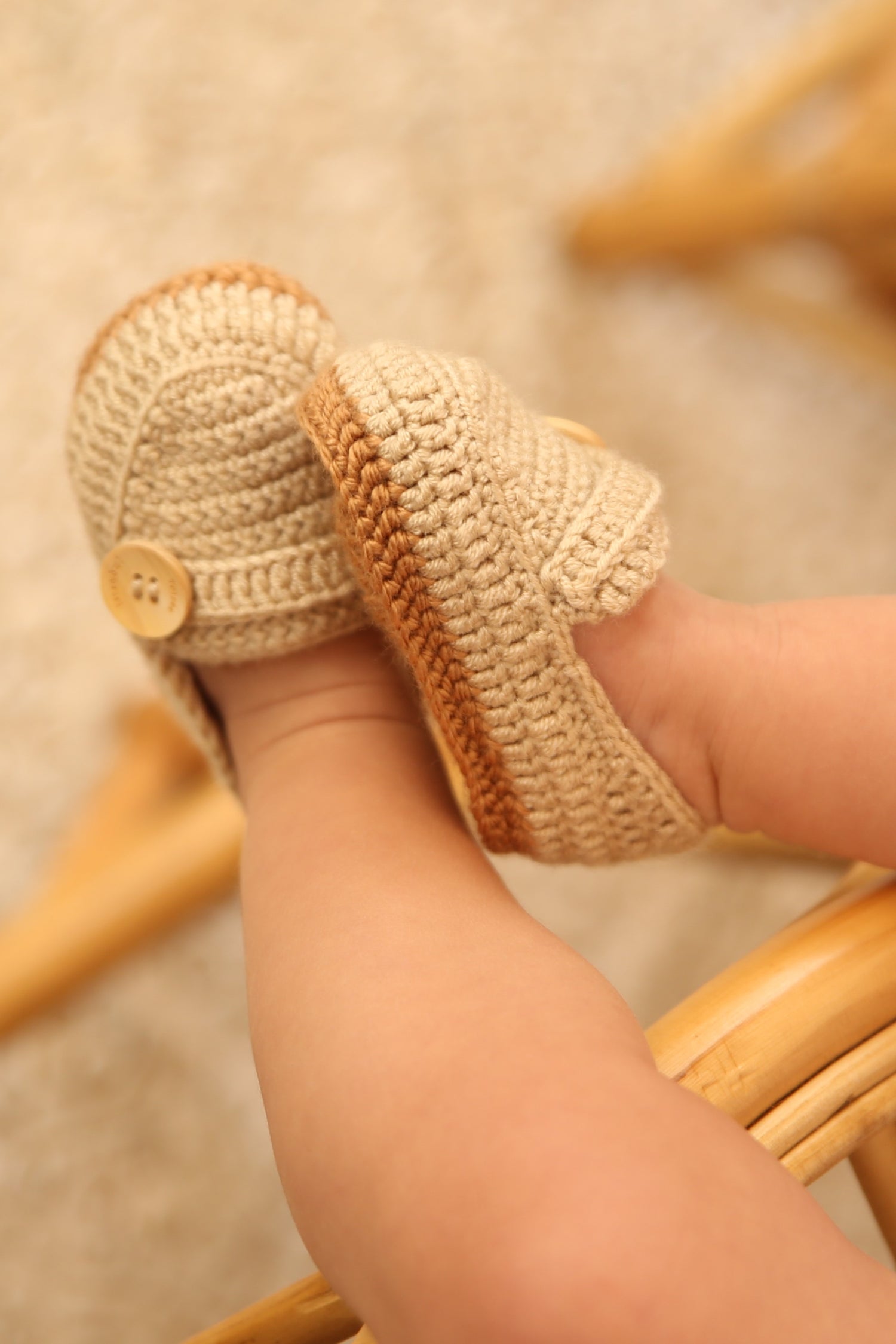
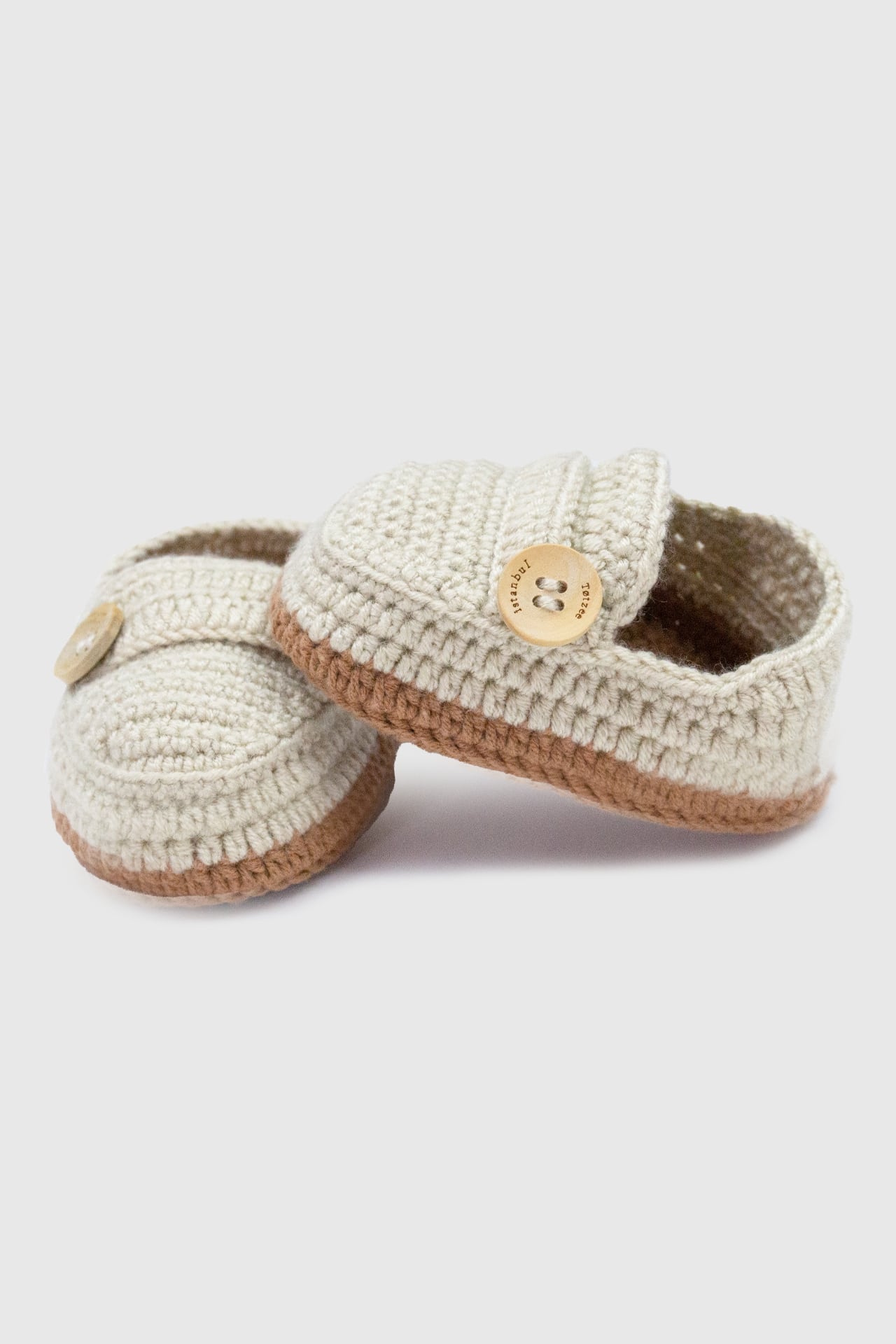
0-3 Month Baby Booties: Elegant Touches for First Steps The first three months in a baby's life are exciting for both parents and the little ones. During this period, choosing the most suitable and comfortable footwear for babies' delicate feet is crucial. 0-3 month baby booties combine both elegance and comfort during this special time. These booties, with their soft fabrics and gentle textures, keep babies' feet warm while allowing their skin to breathe. The variety of colors and patterns are as diverse as a rainbow, catering to every taste from pastel tones to vibrant designs. How to Make Baby Booties: The Secret of Handmade Booties Making baby booties is a reflection of time and effort spent with love at home. Totzee's handmade booties are a beautiful example of this philosophy. Totzee prepares baby booties with carefully selected materials and meticulously crafted details. These handmade booties are known for their aesthetics and functionality. Totzee's booties embody parents' love and meticulousness in every stitch, keeping babies' feet warm while giving them an elegant look. Girl Baby Booties: Elegant and Stylish For girl babies, colors and patterns stand out in bootie selection. Vibrant colors like pink, lilac, orange, and patterns like floral and polka dots add a unique elegance to girl baby booties. Soft furs, tiny bows, and glittery details make these booties even more eye-catching. Girl baby booties are perfect not just for daily use but also for special occasions. Boy Baby Booties: Comfortable and Functional Boy baby booties generally have simpler and more functional designs. Colors like blue, green, gray, and minimalist patterns are essentials for these booties. Booties resembling sports shoes or boots offer suitable options for energetic and active boy babies. These booties provide comfort and freedom of movement while also offering a stylish appearance. Baby booties are indispensable accessories for every baby. Their stylish and functional nature makes choosing the right pair easy for parents. With a variety of colors, patterns, and models, they keep every baby's feet warm while reflecting their style. Baby booties continue to be the biggest supporter of little steps.